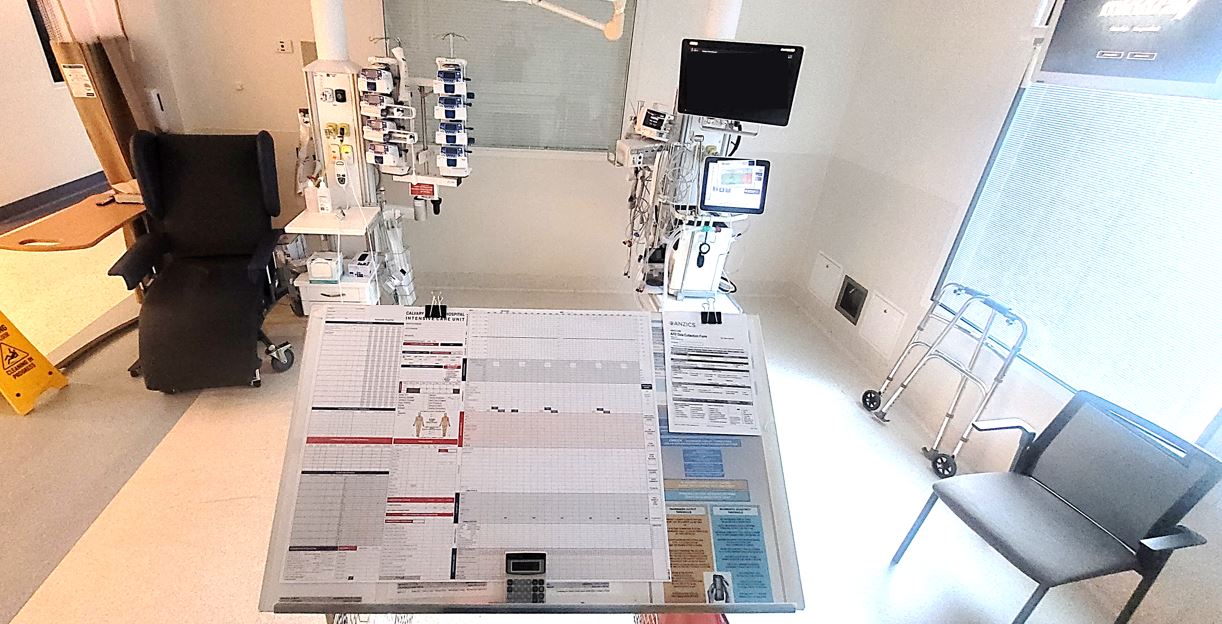
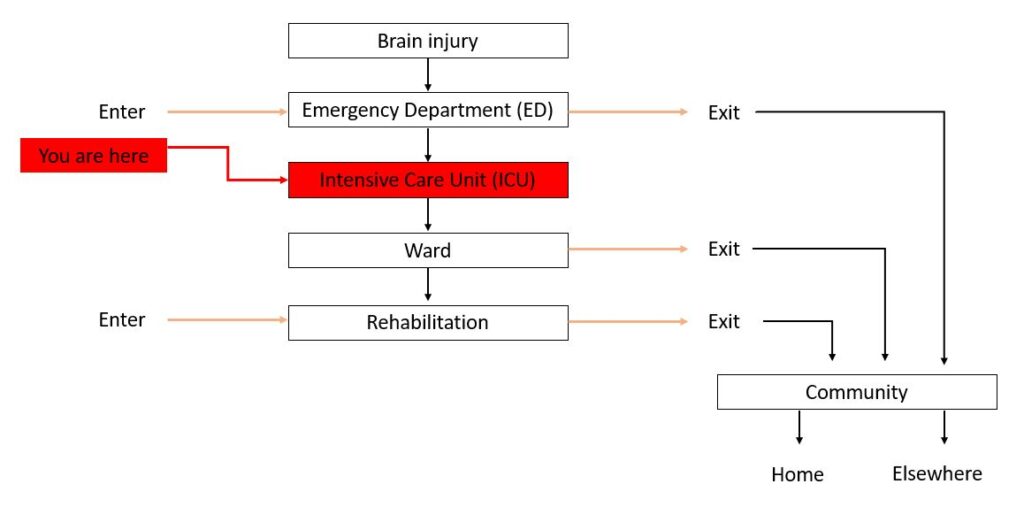
After the Emergency Department (ED), your special person may go to the Intensive Care Unit (ICU) which is a separate ward in the hospital for people to go to who are very sick or injured to get extra care. It might feel scary or confusing, but understanding what it is and how it works can help.
Why do people go to the ICU?
People are cared for in the ICU when they have a serious brain injury and need constant monitoring or advanced treatments. Other reasons for being in the ICU can include:
- Recovering from a major surgery or accident.
- Severe breathing problems or infections.
- Other serious injuries, like a heart issue.
What makes the ICU different?
The ICU has special equipment and medical staff to handle emergencies and give around-the-clock care. Here’s what you might see:
- Machines: There are lots of monitors and machines that check things like heart rate, blood pressure, and breathing. Some may help with tasks like breathing or pumping blood.
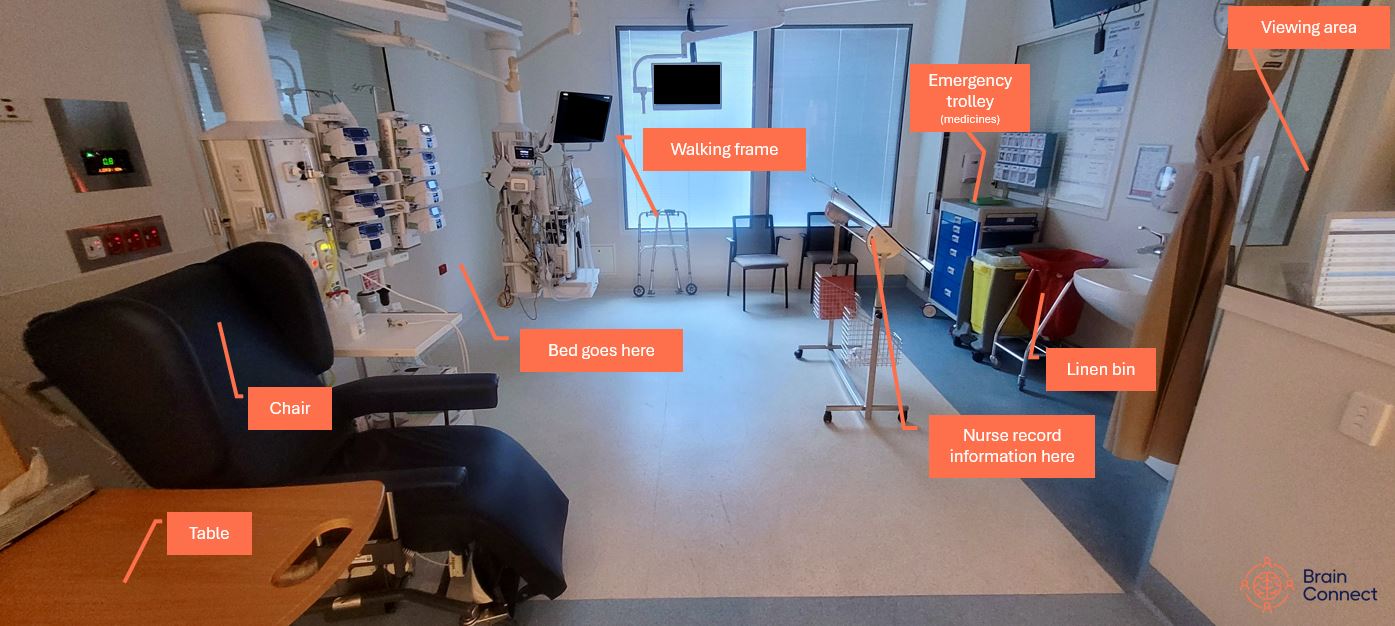
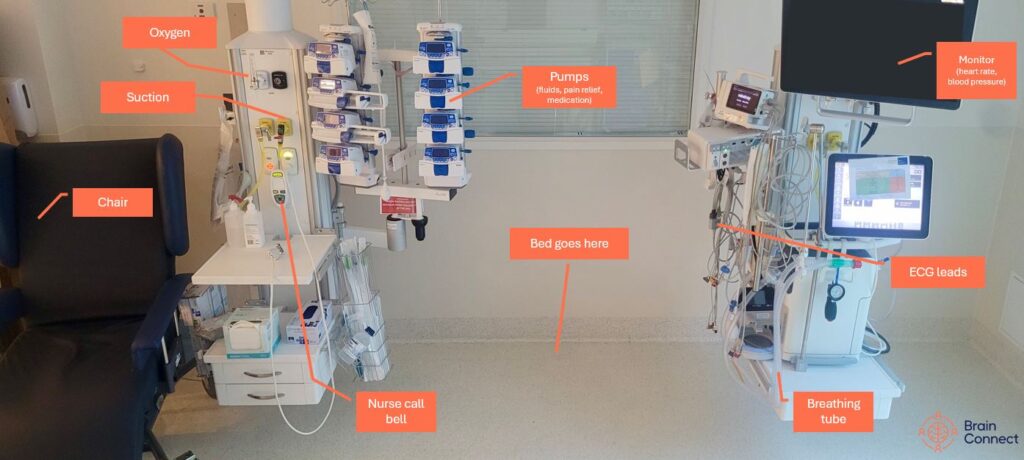
- Small teams of experts: Doctors, nurses, and other specialists work closely together to give your special person the best care.
- Quiet but busy: The ICU is usually quieter than other parts of the hospital, but the medical staff is always working hard behind the scenes.
What can you expect if you visit?
If you visit your special person in the ICU, things might look and feel different:
- Visitors: Only a few people may be allowed to visit at a time, and there are often specific visiting hours.
- Patients look different: Your special person might have wires, tubes, or bandages. They may look asleep, or seem tired or groggy because of their injury or medicine. Some medicines or bandages may make their face look puffy. It may be beneficial for you to see a photo first.
- You’ll need to follow rules: You will need to wash your hands or might need to wear protective clothing to help prevent infections.
- Before going into a hospital, it is a good idea to talk about what you may see and hear.
Comas
A coma is when a person is unconscious and doesn’t wake up, even if you call their name or try to wake them. It happens because the brain is not working normally. While in a coma, the person can’t talk, move, or respond, but they are still alive, and their body is being cared for by doctors and nurses.
Sometimes, people wake up from a coma and slowly recover, while others might take longer or need more help to heal. Most people wake up from a coma but some people do not.
If your special person wakes up from a coma, they may be unable to do things they could do before. They may not remember information like your name or what day it is. They need time for their brain to wake up.
How can you support your special person in the ICU?
- Be positive: A smile or a kind word can mean a lot, even if your special person doesn’t seem fully awake or aware.
- Bring comfort: Check if you can bring things like a photo, a favourite blanket, or a note to cheer them up. Pray, if praying is part of your belief system.
- Stay calm: The ICU staff are there to help, so ask them any questions you have.
It’s okay to have big feelings
Seeing someone you care about in the ICU can make you feel sad, worried, or even angry. It’s okay to feel this way! Talking to a trusted adult, friend, or counsellor can help you process your emotions.
Questions
If you have questions, don’t be afraid to ask. Understanding what’s happening can make a tough situation feel a little easier. Questions you may like to ask:
- What happened to my special person?
- Can I hold their hand?
- Can they hear me?
- What are the machines doing? Why do they make sounds?
- Who is helping my special person get better?
- What can I do to help?
Questions that may be difficult for an adult to answer:
- When might my special person wake up?
- When will they come home?
- Will my special person be the same when they wake up?
- Will my special person die?
Some teens don’t like visiting hospitals and that’s ok. You may like to wait until your special person has woken up and moved to another ward. If you would not like to go to the ICU, your family can give you information about how your special person is going.