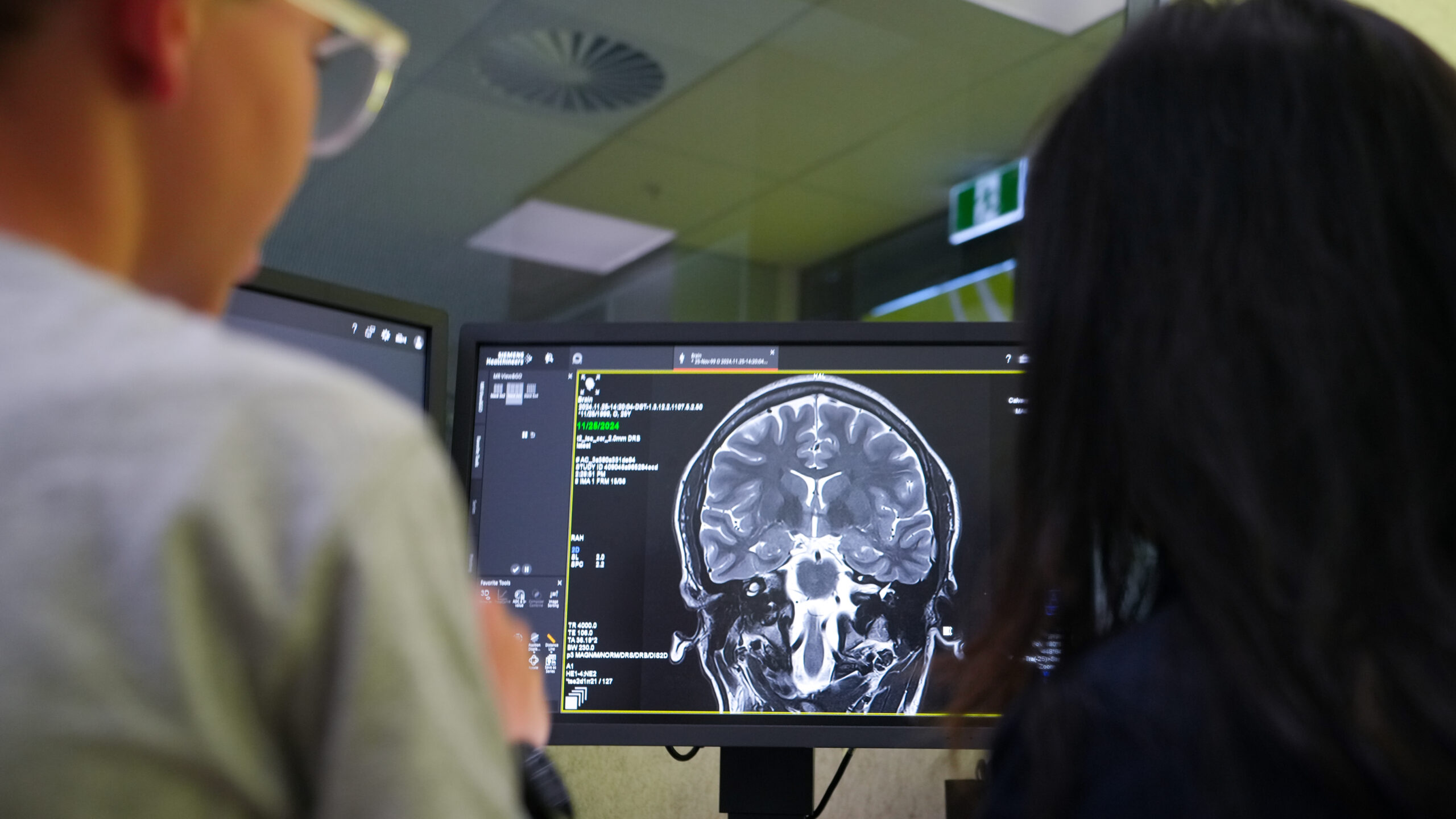
A brain injury affects all people of all ages and life stages. It occurs suddenly, disrupts lives in unexpected ways, and profoundly reshapes family dynamics, relationships and roles.
Health services typically focus on the special person. However, a cascading effect extends far beyond the individual, deeply impacting children within the family unit.
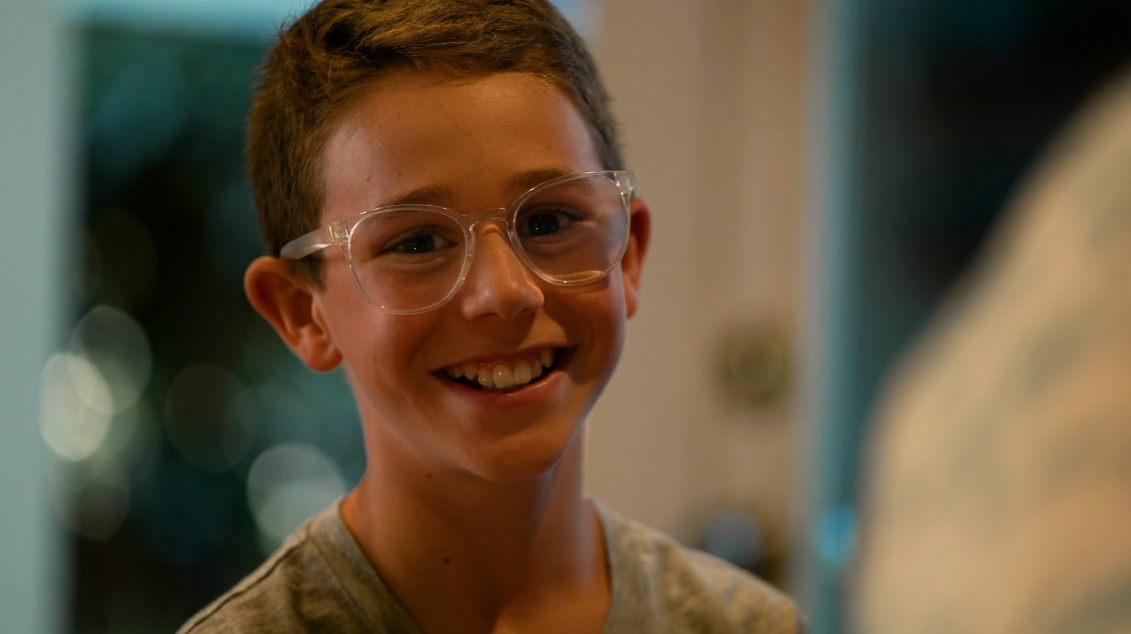
There was a crucial gap in research and practice when it came to understanding the unmet support needs of children, because their voices are often left overlooked or unheard.
Brain Connect responds to the urgent need to enhance the ways children are supported following a special person’s brain injury.
A social worker highlighted the scarcity of established evidence-based interventions available to guide practice. This realisation, coupled with a strong belief that other social workers were likely facing similar challenges, highlighted the need for research that could inform meaningful, child-centred approaches to practice.
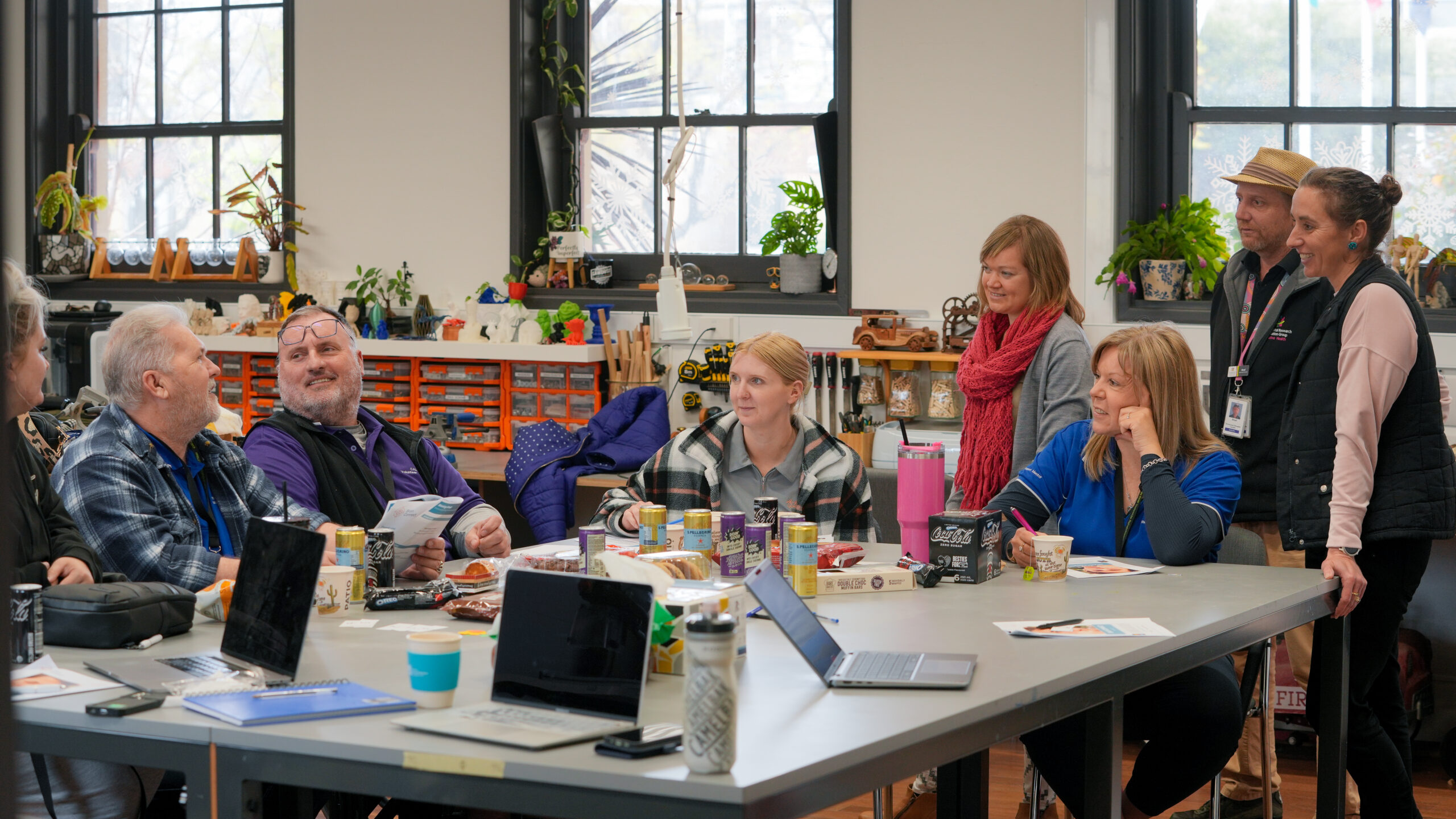
Brain Connect is the result of a robust body of research and has been co-designed by a community of brave and inspiring group of children, adult family members, survivors and clinicians.
Below details the body of research:
-
1
Qualitative Study
To understand the experiences, views of the support provided, gaps and recommendations for future interventions, a qualitative study interviewed 26 children and adults. Results indicated the need to develop digital resources. Read the published article here.
-
2
Scoping Review
We delved into published literature to identify manualised programs and practice suggestions to support children’s health literacy, behaviours and emotions after a parental acquired brain injury. It demonstrated the need for systemic support, family- and child-centred practices. Read the published article here.
-
3
Focus Groups
We interviewed health professional to understand the barriers and facilitators of their clinical practice to work with children after a parental acquired brain injury. This article is under review for publication. Read the published article here.
-
4
National Survey
We surveyed children and adults across Australia regarding their educational need and (e)learning preferences. The results helped shape the content on Brain Connect.
-
5
Co-Design and Usability Testing
We worked with children, adult family members, survivors and health professionals to co-design the Brain Connect platform, interactivities (videos / animation / game / connectivity platform) and tested everything in real-world settings. Feedback helped to adjust the platform to what you see today.