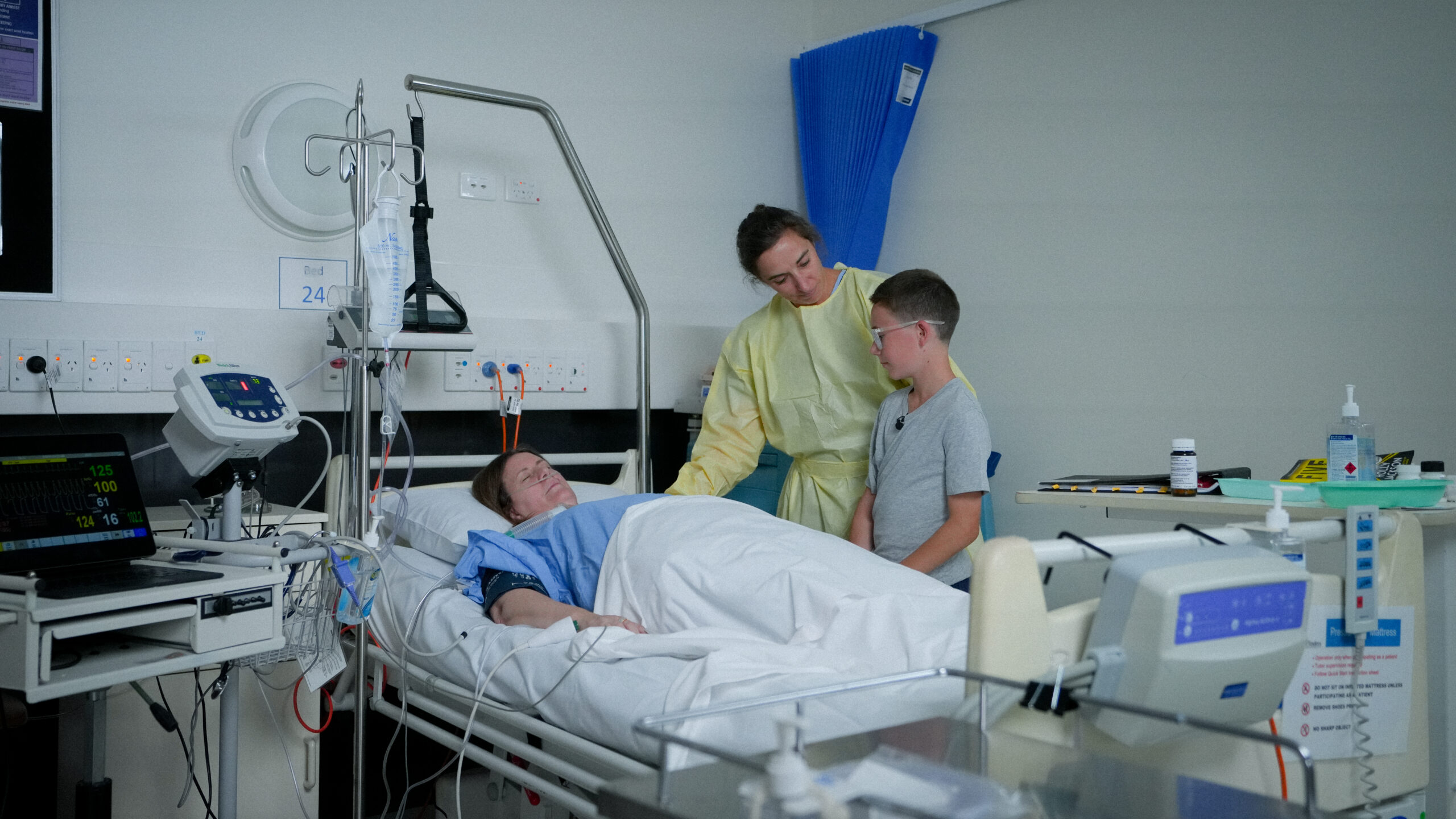
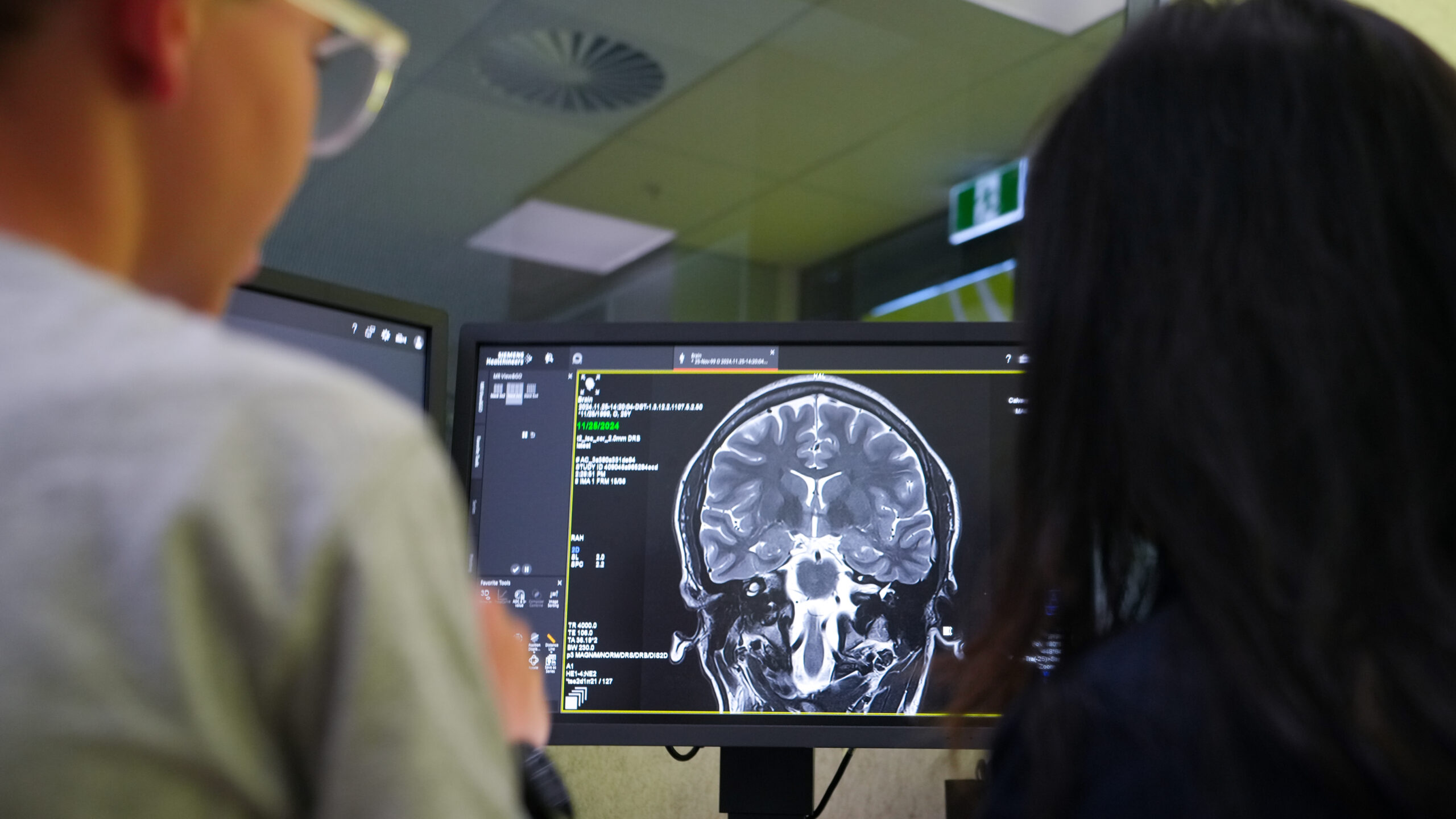
Working with a patient, family or child?
Supporting children and families after a special person’s brain injury requires a compassionate, holistic approach. By providing clear communication, emotional support, educational resources, practical assistance, and cultural sensitivity, clinicians can help families navigate this challenging journey and promote healing and resilience.
At Brain Connect, we have designed resources and a clinician guide below to help you deliver interventions and address unique challenges faced by children and families at different life stages, to promote understanding, resilience and adjustment through recovery.
Supporting hope
As clinicians supporting individuals with brain injury, we hold a vital role not only in facilitating recovery but also in nurturing hope, a powerful and frequently expressed need among patients and their families. In clinical conversations, hope is often voiced as a central theme, reflecting a deep desire for progress, connection, and a meaningful future. While the path after brain injury can be complex and uncertain, our words, actions, and attitudes can profoundly influence how families envision what lies ahead. By acknowledging their challenges while highlighting the potential for adaptation and growth, we help sustain the belief that, with time and support, new possibilities can emerge. Hope is not about offering false assurances, but about reinforcing the strength and resilience that patients and families already carry.
Hope is a vital thread in the fabric of brain injury care, woven through every interaction, decision, and goal. It’s not abstract or optional; it’s a practical, powerful force that shapes recovery and resilience.
- Hope is active – it’s something we do, not just feel. Healing may not be guaranteed, but working toward it is essential
- Hope is quiet but powerful – shown through compassion, consistency, and belief in possibilities, even when outcomes are uncertain
- Hope is personal and dynamic – its meaning and importance vary across people and time
- Reasonable hope – accepts uncertainty but focuses on goals, actions, and influencing the future
- Be a ‘hope giver,’ not a ‘hope crusher’ – small actions and words can either support or diminish hope
- Embed hope in goal setting – improves outcomes, enhances control, and motivates progress
- Hope eases caregiver burden and supports social function
- Humans are more than symptoms – emotions, values, and relationships define personhood and must be acknowledged
- Always consider the patient in their relational context – include family and friends in care perspectives
- Presence and empathy matter – feeling cared for and seen reduces isolation for patients and families
- Little gestures matter – acts like grooming or community encouragement show patients they are valued
- Be honest, but don’t assume the worst – deliver truth with empathy and avoid crushing hope
- Ask “What matters to you?” – care should align with the patient’s values and desired life
- Hope has measurable benefits – it enhances mental health, recovery, rehab engagement, and social participation
- Avoid delivering bad news impersonally – it should come with care, not from a committee

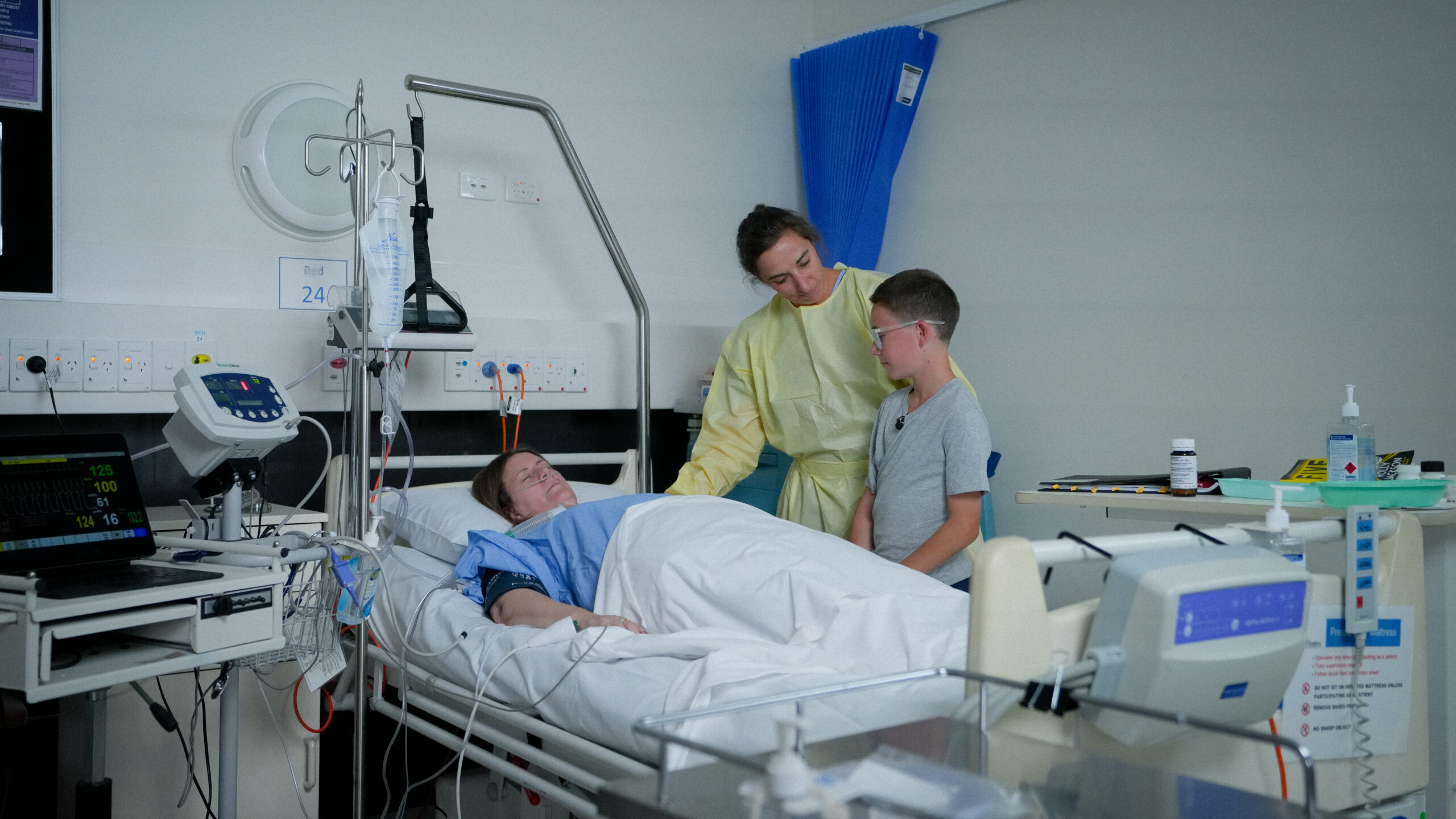
A clinician guide on how to use Brain Connect with children and families impacted by a brain injury
Learn more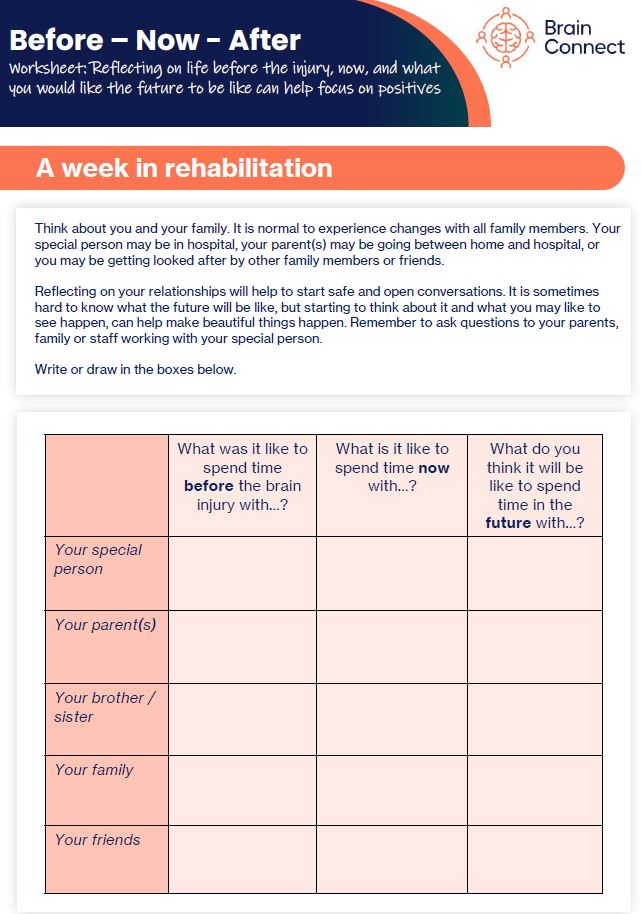
Help the child to reflect on life before the injury, now and what the child would like the future to be like
Learn more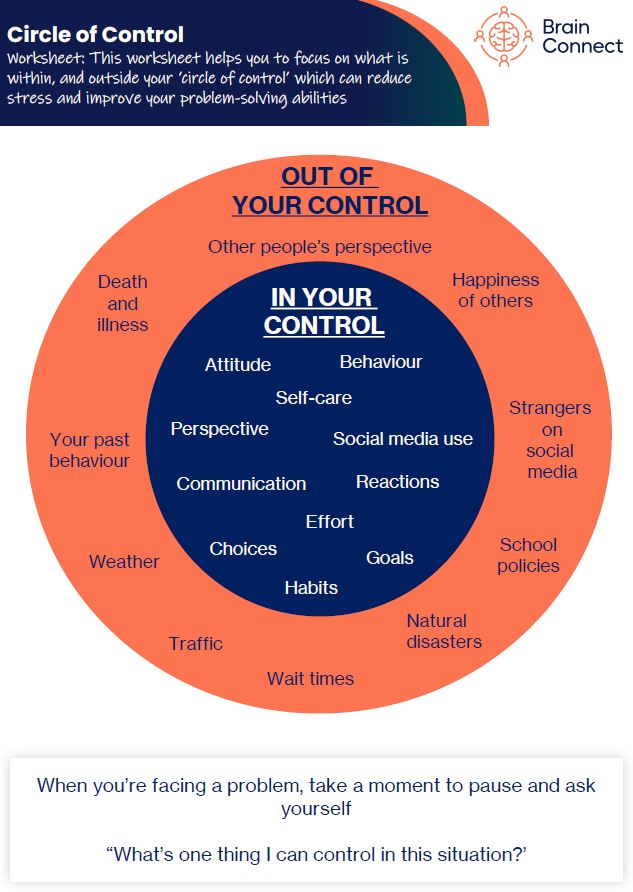
Help the child to focus on what is, or is not, in their control
Learn more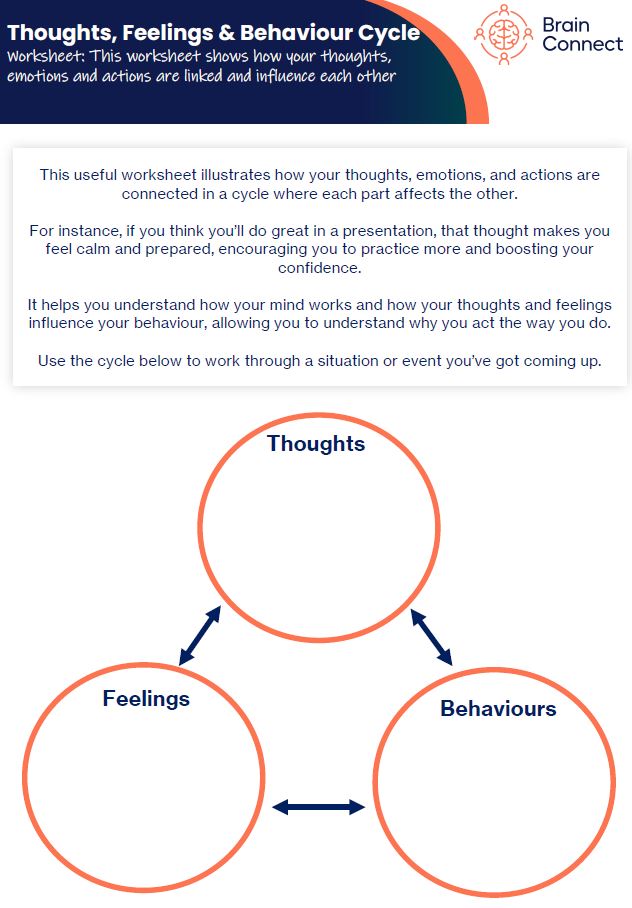
Show children how their thoughts, emotions and actions are linked and influence each other
Learn more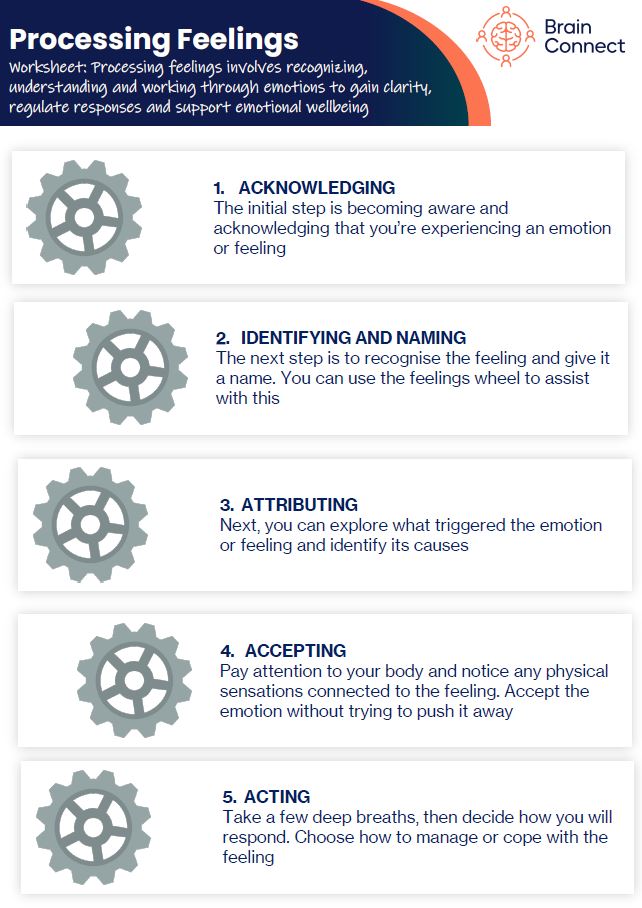
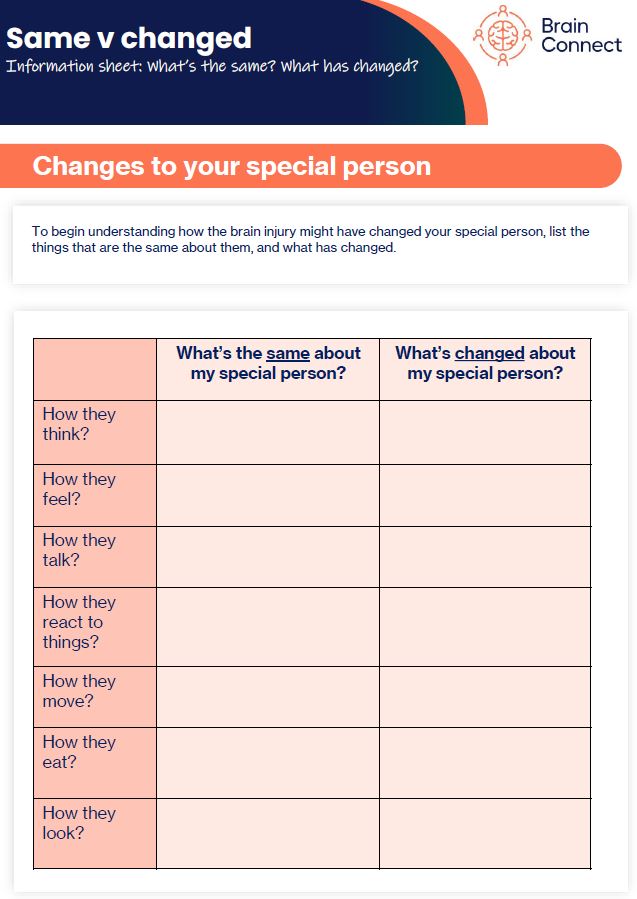
Help children list the things that are the same about their special person, and what has changed
Learn more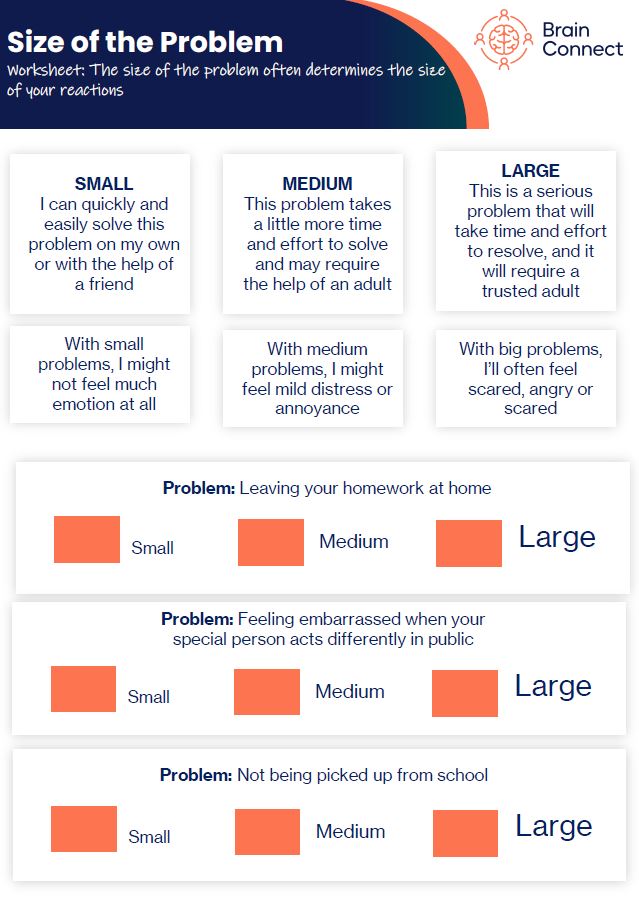
Help children understand the 'size' of a problem, to determine their reactions
Learn more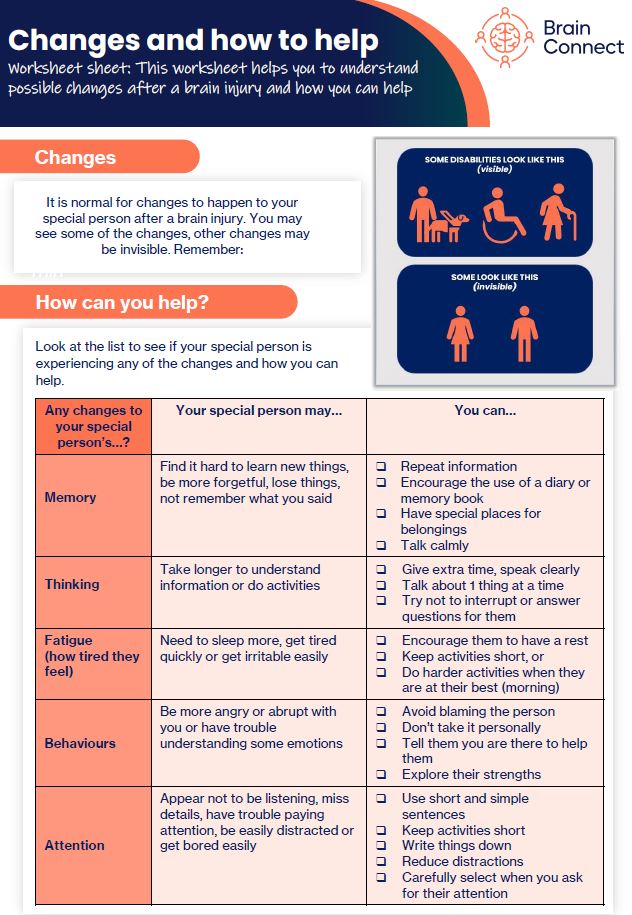
Look at the common changes after a brain injury and how children can help
Learn more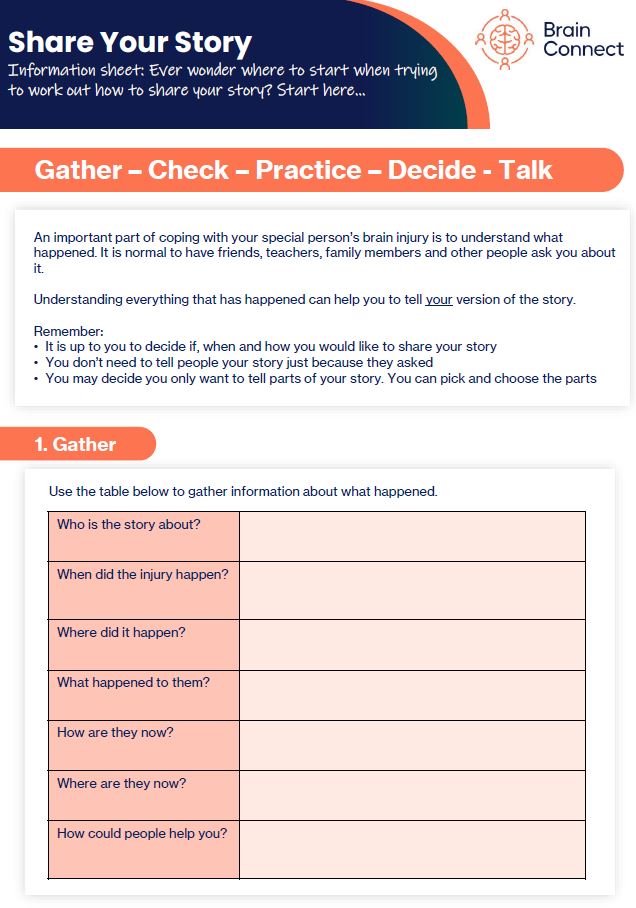
Help the child gather - check - practice - decide - talk about their personal story
Learn more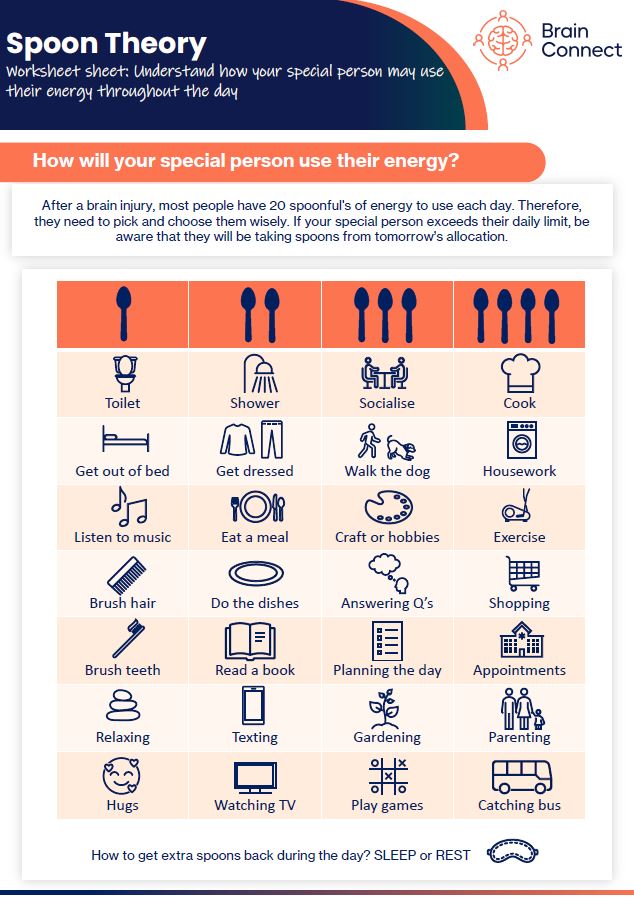
Help children understand how their special person may use their energy throughout the day
Learn more

Access guides and other information, specific for clinicians working with children. All are freely accessible on the internet
Learn more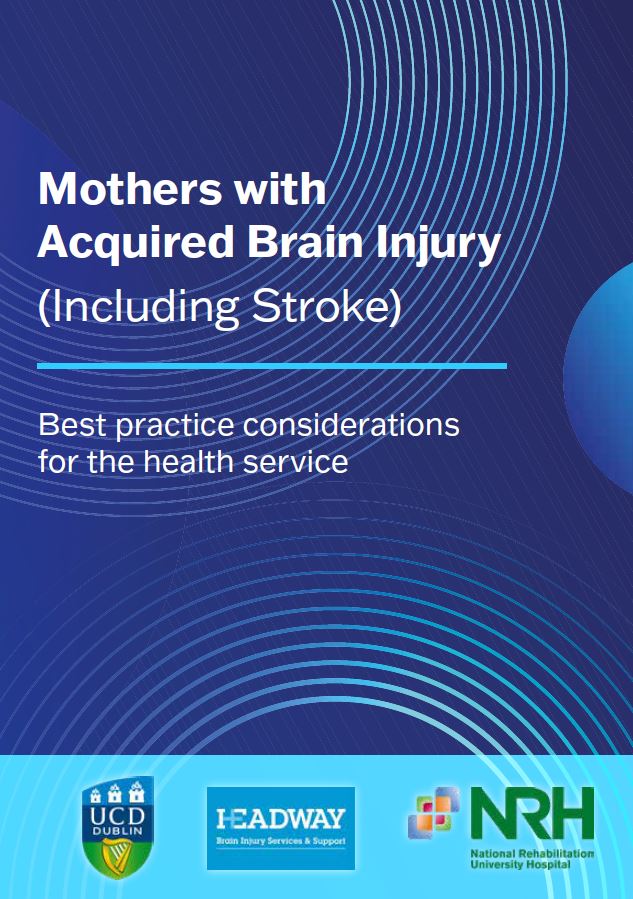
A practical guide for clinical considerations from a service and health care professional perspective
Learn more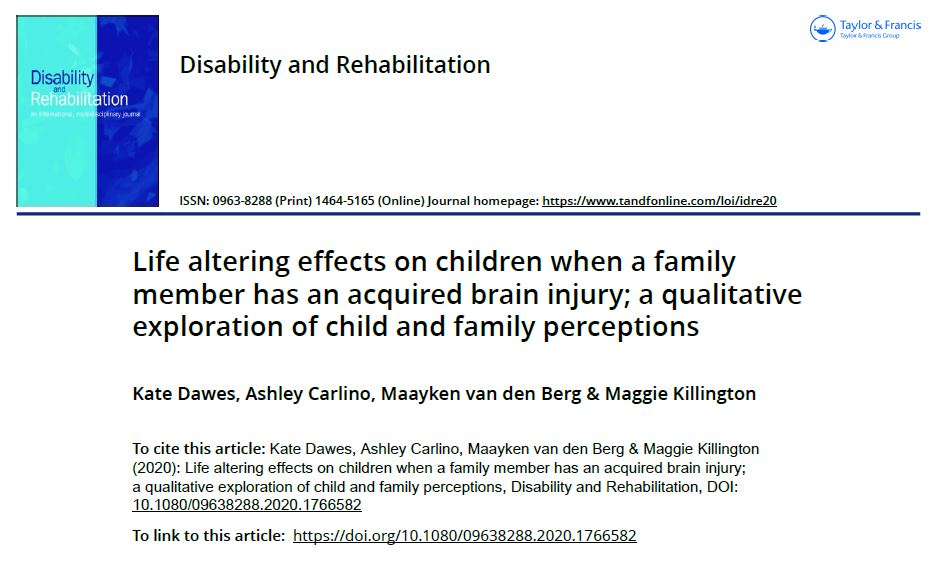
A publication exploring the lived experience of children and adult family members, and their recommended support, gaps and future intervention recommendations
Learn more
A publication exploring the manual programs and practice suggestions to support children after parental ABI
Learn more