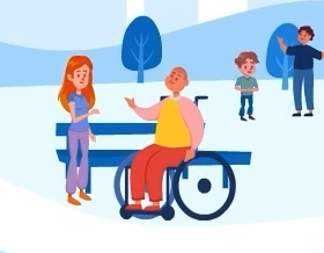
Many myths about brain injury and recovery exist.
Check your understanding below:
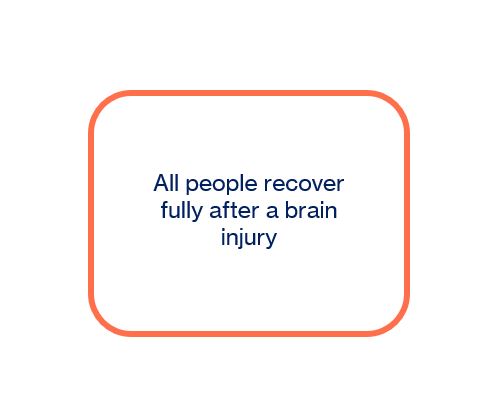
False
TV and movies portray full recovery after a coma and for all brain injury types. As every brain injury is different, each survivor will heal at their own pace, based on many factors like how serious their injuries were, their age and any underlying health conditions. Some disabilities can last a lifetime so full healing may be impossible.
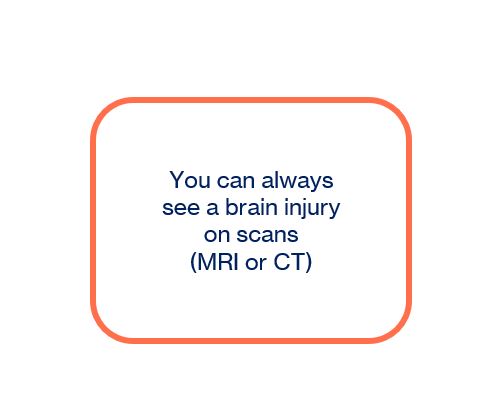
False
CT and MRI scans look for trauma, bleeding and skull fractures. Not all brain injuries, like concussions, show up on scans. A clear scan does not eliminate a possible brain injury.
False
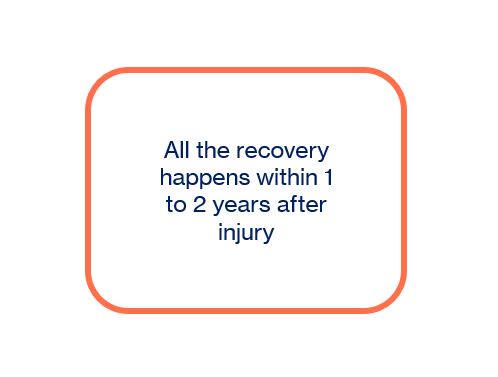
Some people assert that all recovery after a brain injury occurs within the first few years. This is incorrect. Improvements in recovery are always possible in time and by finding the right therapies for symptoms.
False
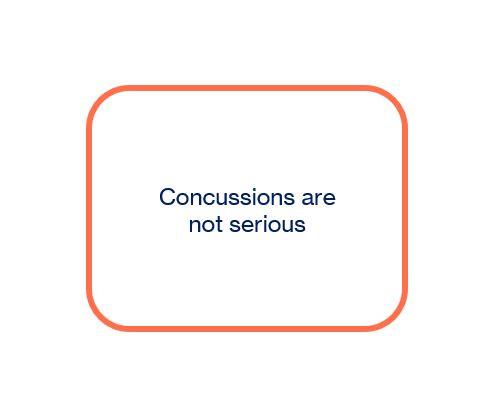
While concussions are a form of mild traumatic brain injury, they are a brain injury nonetheless. Many people recover from a concussion within a few weeks, some people will experience lifelong symptoms following a concussion.
False
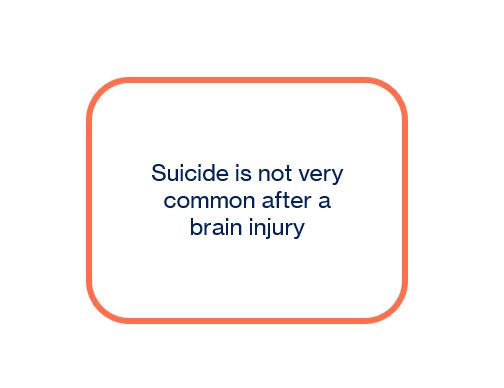
Unfortunately, suicide ideation, plans or attempts can occur after a brain injury due to extreme changes to the life of the survivor. It is therefore extremely important to talk about and address this topic so appropriate support and resources can be accessed.
False
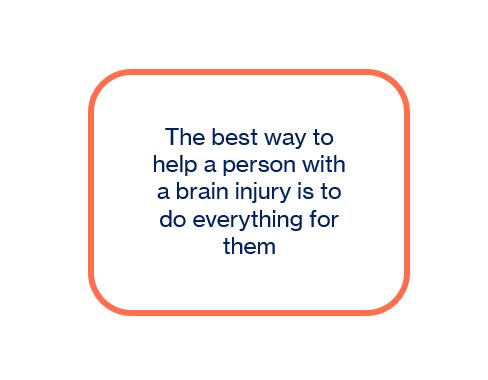
Ensure the survivor has a personal sense of dignity, respect and self-worth by letting them attempt to do tasks themselves. Be there for your loved one, but resist the urge to assist fully, such as finishing off sentences, when it can be attempted independently.
False
All effects, changes or disabilities after a brain injury are not apparent immediately after the brain injury occurs. Changes in behaviour, memory, thinking, fatigue and concentration weeks or even months after an injury.