Brain Injury
What is this page about?
You’ve learnt that one of the most important people in your life has a brain injury. Do you feel shocked, angry, numb or afraid?
Do you feel like life is unfair?
One thing is certain – you probably don’t feel good.
Learning about brain injury will help you understand what your special person is going through. Often, young people have never heard or seen anything to do with brain injury and most feel better when they know what to expect.
The brain
The brain is like the body’s computer, helping you think, feel, move, and remember things. It’s made of billions of tiny nerve cells (called neurons) that work together to help you learn, solve problems, remember and react to the world around you.
What do all the different parts of the brain do?
Click on the big brain below to learn what different parts of the brain are called and what they help with.
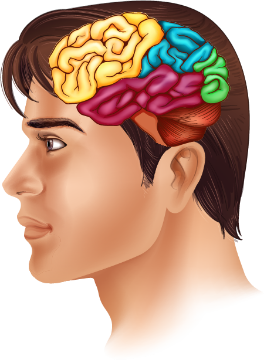

Frontal lobe
Helps with:
- Solving problems
(what to do when 2 friends want you to play different games)
- Planning & organising
(setting an alarm to remember to go to bed)
- Making judgements
(deciding whether something is safe to do)
- Emotions, behaviour and mood
(feeling frustrated and needing a break when homework is hard)
- Personality
(being shy in new situations but talkative with friends)
- Social skills
(taking turns in a game or conversation)

Temporal lobe
Helps with:
- Understanding language
(following instructions like “put your books away and line up outside”)
- Memory
(remembering a math problem you learnt last week)
- Emotions
(becoming overwhelmed and taking time to calm down)
- Enjoyment of music
(singing along to favourite song in the car)
- Recognise & identify things we see (faces or objects)
(knowing a chair is something you sit on)

Parietal lobe
Helps with:
- Knowing left from right
(putting shoes on the correct feet when getting ready)
- Sensations (touch, pressure, temperature, pain)
(feeling when someone taps you on the shoulder)
- Hearing
(hearing background sounds like birds or traffic)
- Reading
(reading signs or instructions by yourself)
- Smelling
(recognising the smell of dinner cooking from another room)
- Tasting
(telling the difference between sweet, salty, sour or spicy food)
- Touching
(exploring objects with hands to understand what they are)

Occipital lobe
Helps with:
- Understanding what we see
(noticing when someone is smiling, upset or confused based on their face)
- Reading and writing
(reading instructions for a game)
- Understanding shapes, colour & distance
(knowing which objects are bigger, smaller, longer or shorter)

Brain stem
Helps with:
- Breathing
(breathing in and out while asleep)
- Swallowing
(swallowing saliva may times a day)
- Appetite
(knowing when you’re full and stopping eating)
- Beating of our heart
(your heart beating faster during sport)
- Body temperature
(staying around the same temperature when the weather changes)
- Staying awake or asleep
(falling asleep when you don’t plan to)

Cerebellum
Helps with:
- Balance
(not falling over when someone bumps you lightly)
- Coordination
(catching and throwing a ball)
- Movement
(walking, standing, running, jumping, skipping, climbing)
- Regulating feelings and responses
(calming down after getting annoyed or upset)
- Organising thought
(thinking through steps in the right order when having a shower)
What is a brain injury?
A brain injury is when the brain gets hurt anytime after birth. There are two main types of brain injuries, depending on how they happen:
A non-traumatic brain injury (also called an Acquired Brain Injury [ABI]) happens when the brain gets hurt by something inside the body, like from a brain infection, lack of oxygen or pressure from a brain tumour.
A Traumatic Brain Injury (TBI) happens when something hits the head really hard and the brain gets shaken —like being in a car crash, or falling off the roof.
The video below describes brain injury in a simple way.
Now that you know what a brain injury is, try and guess the types of brain injuries below.
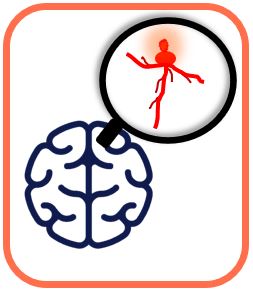
A bulge in a blood vessel (called a brain aneurysm) can cause an acquired brain injury (ABI)
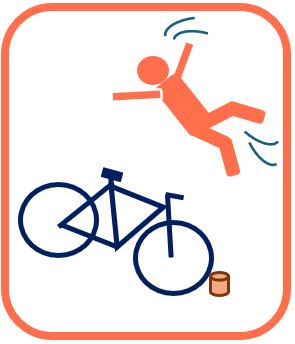
Falling off a bike can cause a traumatic brain injury (TBI)
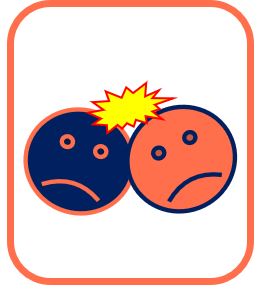
When two heads hit together (called a concussion), it can cause a traumatic brain injury (TBI)
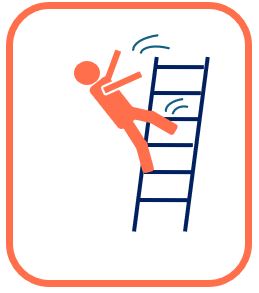
Falling off a ladder can cause a traumatic brain injury (TBI)
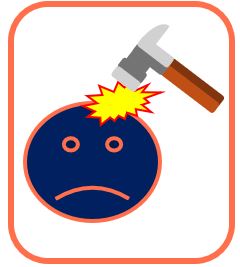
Anything strong and hard that hits a head, like a hammer or baseball bat can cause a traumatic brain injury (TBI)
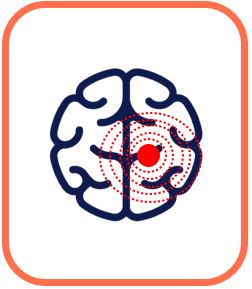
A brain infection (like a virus) can cause an acquired brain injury (ABI)
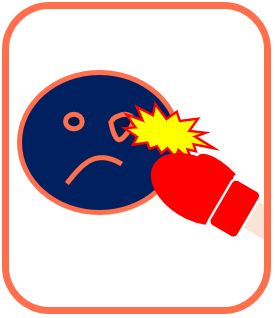
Getting punched can cause a traumatic brain injury (TBI)
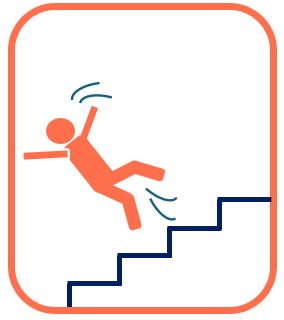
Falling down stairs can cause a traumatic brain injury (TBI)
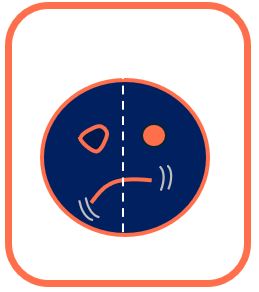
A stroke can cause an acquired brain injury (ABI)
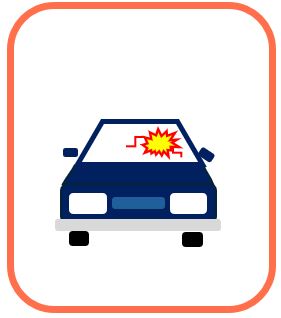
A car accident can cause a traumatic brain injury (TBI)
How do the brain lobes work together?
Each lobe in the brain has its own job, but they work as a team to help us do everyday things like moving, talking, remembering, and feeling emotions.
- Frontal + Parietal Lobes: These help us move and stay balanced. The frontal lobe plans what we do, and the parietal lobe helps us feel and know where our body is.
- Parietal + Temporal Lobes: These help us understand language. The parietal lobe works out word meanings, and the temporal lobe helps us hear and remember them.
- Temporal + Occipital Lobes: These help us recognise what we see. The occipital lobe takes in the images, and the temporal lobe helps us know what or who it is.
- Frontal + Temporal Lobes: These help with feelings, memories, and making choices. The frontal lobe helps us decide, and the temporal lobe remembers our experiences.
Can I see all the changes to my special person?
No. After a brain injury, people can experience both visible and invisible changes.
Visible changes might include physical symptoms like difficulty walking, moving parts of their body, or how they complete tasks like having a shower. Some people use different equipment to help them, such as lifting machines to get them out of bed, or a wheelchair to move around indoors and outdoors.
Invisible changes can be just as significant but harder to notice. These include changes to memory, concentration, and emotions. For example, your special person might feel more anxious or have mood swings. They might find it hard to remember conversations or concentrate on tasks like helping with housework. They may have difficulty recognising people and what things are used for. For example, they might look at a mobile phone and think it’s used to brush their hair. They might say or do things that they wouldn’t have said in the past. For young people, experiencing these changes can be embarrassing and frustrating. This is normal.
What questions can I ask?
After a brain injury happens, young people can have many questions. It’s hard to know what to ask so we’ll help you.
When you talk to an adult or sibling, always remember to:
- Ask what words mean
- Ask for information to be explained in another way if you don’t understand
- Ask to hear information again
- Ask to see, or be drawn a picture of what is being talked about
Some questions can be answered, but remember, some questions may not have answers. You can print this sheet and take it in to hospital, or ask an adult to help fill it in with you.
Questions that may be hard for an adult to answer:
- When might my special person wake up?
- When will they come home?
- What changes or lost abilities will my special person have?
- Will my special person die?
Videos
Meet Bella
Bella was 12 when her dad had a brain injury. In the video below, she shares why she thinks it’s important for adults to explain what’s happening, especially when kids can tell something ‘big’ is going on. Bella talks about being there when her dad’s brain injury happened, what it was like, and seeing her dad in hospital for the first time.
You might like to show this video to your parents or staff supporting your family—especially if you want to be more involved.
In the video below, Bella talks about what it was like for her to have a ‘different dad’ after his brain injury. She shares how he changed, how their relationship changed, and how it changed her family. Hearing Bella’s story might help you understand your own experiences a little more.
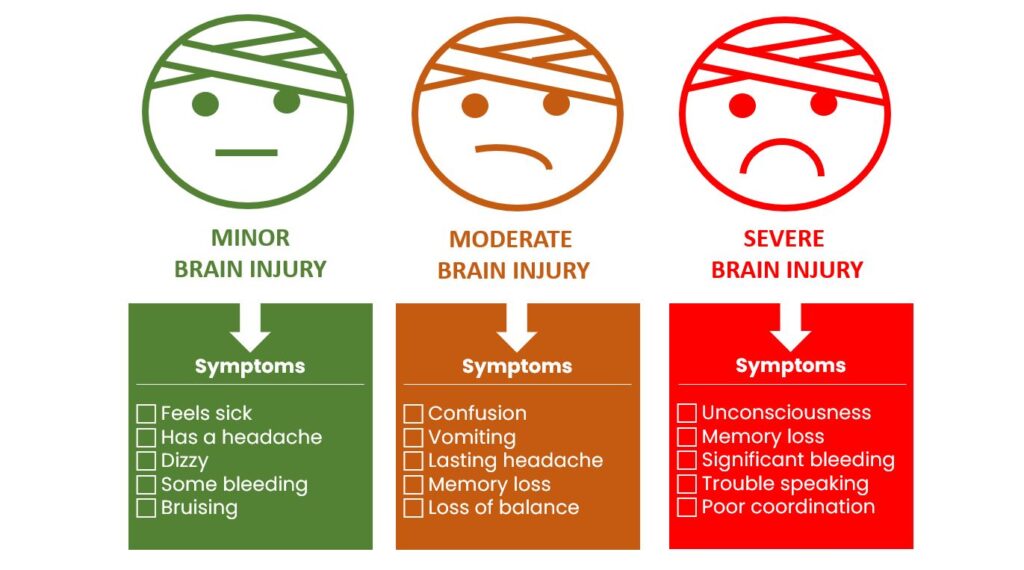
Different tests done in the hospital will help to know how big the brain injury may be.
The more serious the injury, the longer your special person will likely stay in hospital.
Stroke
A stroke is when there is not enough blood in the brain. It could be because:
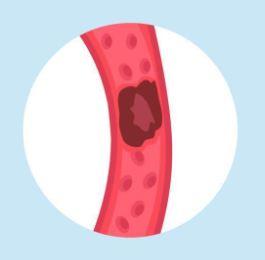 |
The heart may not be able to pump blood to the brain very well so the blood forms sticky clumps that causes a blockage. Doctor’s call these clumps ‘clots’
|
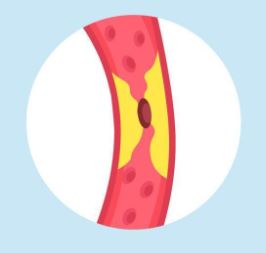 |
Sticky clumps or fat may build up inside the tubes and stop the blood from flowing |
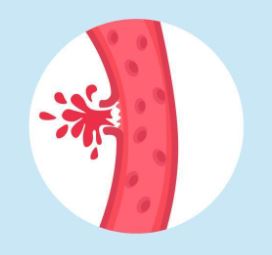 |
One of the tubes going to the brain tears a little bit and some blood leaks out |
Other ways a stroke can happen are:
- Some of the tubes going to the brain are a bit tangled up so blood gets stuck
- Some of the tubes going to the brain are a bit small and thin so blood gets stuck
Car accident
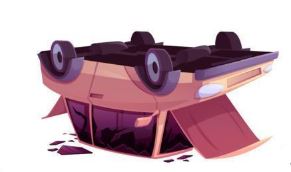
In a car accident, people’s head usually gets hit or moves very fast and suddenly stops. When this happens, the brain inside the skull can get hurt. Even though the brain is protected by the skull, it’s soft and can bump against the inside of the skull during a crash. This can cause bruising, swelling, or tiny tears in the brain.
Brain tumour
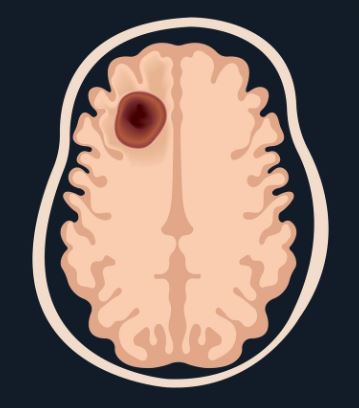
A brain tumour is a lump of cells that grows in the brain and shouldn’t be there. It happens when some cells start to grow too much or in the wrong way. Some brain tumors grow very slowly and might not cause many problems, while others can grow faster and press on parts of the brain, making it harder to think, move, or feel normal. Doctors use special tests and treatments to help people with brain tumors feel better and keep the brain working well.