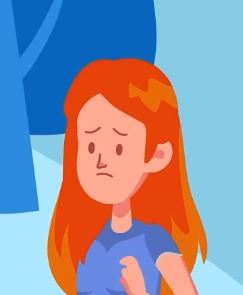
Feelings
Learning about brain injuries and the possible changes to your life can bring on different emotions. Many young people who have been where you are have felt the same way you do now.
“I cry all the time because my heart hurts”
(Girl, 6 years old)
“It makes me sad when I think of my Dad in hospital as I just want him to come home and for things to go back to normal”
(Girl, 14 years old)
There is no “right” way to feel and you are not alone!
Many children have said that having a special person with a brain injury changes the way they look at life. Some have said it brought their family closer, others said they are emotionally stronger in themselves.
Sharing feelings can be uncomfortable. Some children act happy when they are sad or scared, thinking this will make them feel better. It may help for a little while, but not over the long term. Holding your feelings inside can keep you from getting the help you need.
Check off any feelings you may have and talk with a trusted adult, even if you have to start the conversation:
Scared
- I’m afraid my special person might die
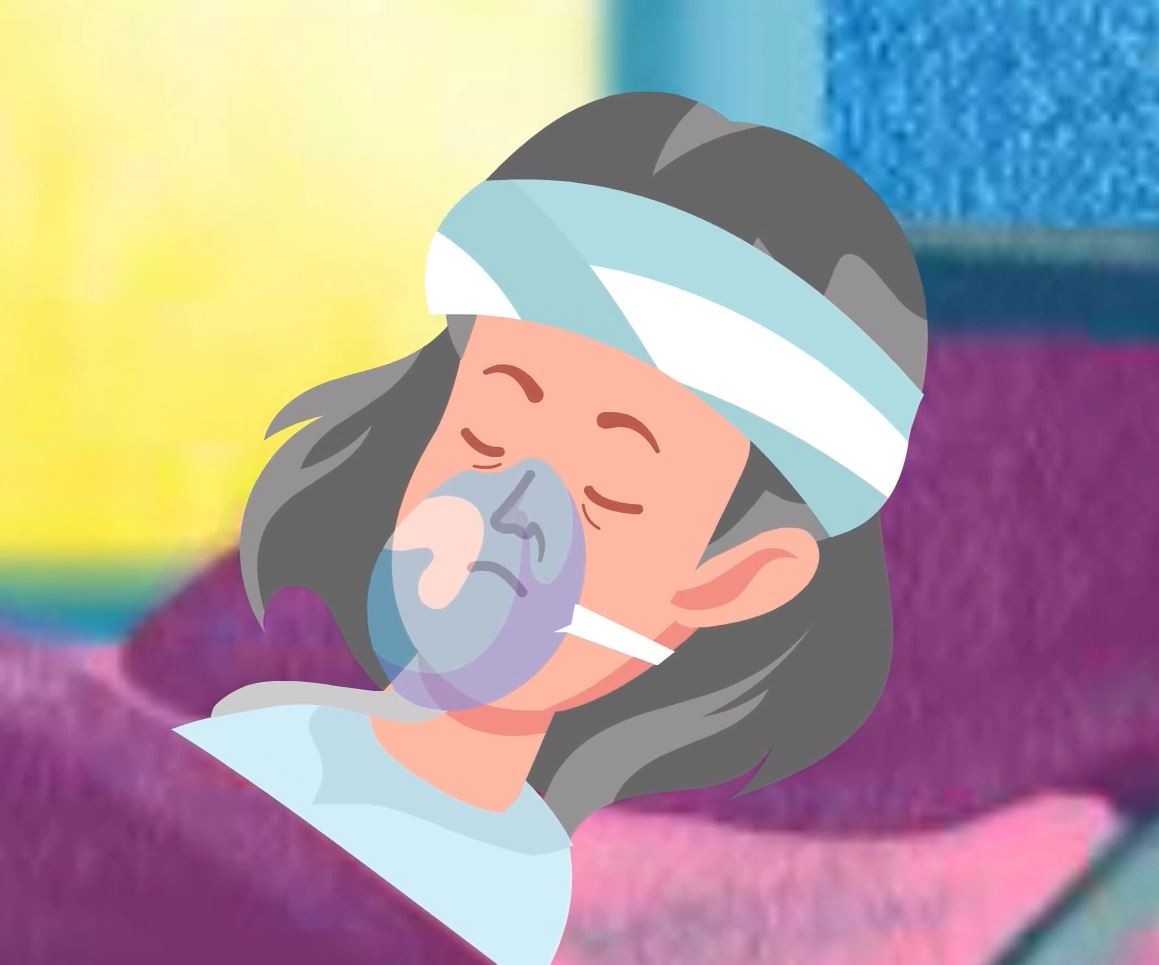
- I’m not sure what I’m going to see when I go into hospital
- I’m afraid that another person will catch a brain injury (they can’t)
Feeling scared is normal. Some fears may be real, others may be based on things that won’t happen. Some fears may reduce over time.
Guilty
- I feel guilty when I don’t visit my special person
- I feel guilty sleeping in my own bed when my special person can’t
- I feel guilty when I laugh or have fun now
You may feel bad for having fun when your special person is in hospital or trying to get better. Having fun doesn’t mean you care any less. Most people enjoy seeing young people have fun and it may help their healing too.
Angry
- Why did it have to happen to my special person?
- My life has changed and I have no control over that
- I don’t feel included
Anger may be shown when you’re feeling other emotions like hurt or nervous. Try not to let your anger build up, so find a helpful way to relax like listening to music.
Sadness
- I miss my special person
- I don’t do things with my special person any more
- I just want to cry all the time
Missing your special person or how life used to be is normal and ok. Think of ways you can be connected by planning to see them and spend time together. There may be ways you can still do the things you did before, maybe just in a different way.
Jealous
- I wish I got as much attention as my special person
- I wish it was someone else’s special person
- My friends have lots more money and do more things than me
Thinking positively about yourself and your situation is key to helping with jealous feelings. Do activities like writing a journal, saying positive things to yourself, and recognising your own strengths and abilities.
Forgotten
- I feel like I’m invisible to everyone around me
- No one talks to me or tell me what’s happening
- We don’t spent time together like we used to
When a brain injury happens, it’s normal for attention to be on your special person. Try to remember that everyone is trying their best to understand what is going on. No one means for you to feel left out. It may happen because so much is going on.
Worried
- What if other people I love get hurt or die?
- I won’t be able to cope
These thoughts can be so strong that you believe them. You may feel worried about everyday situations or the future. You are going to be ok, even if you feel scared. By facing your worries, you will feel less afraid over time.
Lonely
- People say they understand but they don’t
- I miss my special person and the way life used to be
- My friends used to come over and now they don’t
Young people have said that it helped their loneliness to stay connected with their family so make time to talk to each other. You might find they are having a tough time too.
Hopeful
- I am hopeful that my special person will have a happy life
- No matter the changes, my family is strong
- We will get through this together
Remaining positive is a good way to help your special person and your family. While life may have changed in different ways, if you think happy thoughts, amazing things can happen.
Embarrassed
- My special person speaks without thinking
- My friends think my special person is funny, but I say “you should live with them”
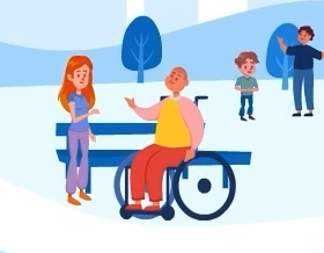
- We have to park in disabled parking now and everyone looks at us
- My special person walks differently and uses equipment
Experiencing ‘invisible’ changes in your special person is normal and it may feel like you have become the parent in some ways. Try to find a balance between spending time with your special person and doing activities you enjoy.
What can help?
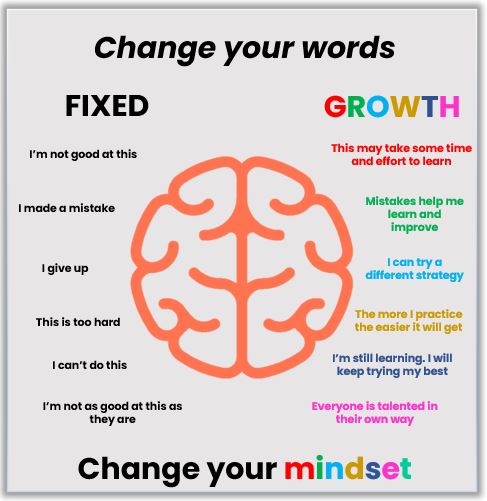
We all have thoughts about what we can do now and in the future—some are good, and some might not feel so good. These thoughts are part of something called our mindset. Having a “growth mindset” means believing that you can get better at things by trying your best and using helpful strategies. This kind of mindset can make a big difference when you’re with your special person. When things feel hard, try to think about how you can use a growth mindset to keep going and handle challenges.
Let’s hear from Bella about the importance of looking after yourself. She know, as she was 12 years old when her Dad had his brain injury. She’s now 18 and had a lot of time to reflect on what she went through. She has some great ideas that may help you too!