Hospital
What is this page about?
When a special person goes to hospital, there are different places they can go:
- Emergency Department (ED)
- Intensive Care Unit (ICU)
- Ward
- Rehabilitation
Game: what is it like to visit hospital?
Many young people wonder what hospital is like because they’ve never been in one before…they just know what they’ve seen on TV and sometimes, what they see isn’t what happens in real life.
Let’s learn more about each area of the hospital so if you go there, you’ll be as ready as possible!
Emergency Department (ED)
The ED (or in some countries, the Emergency Room, or ER) is where some people with a minor (small) brain injury go when they are first hurt.
This area has a large waiting room and different rooms out the back with lots of equipment and staff, busily working away like bees in a hive.
Once more is known about the brain injury, a plan will start to be made about how to look after your special person.
There may be long times when families don’t get to see the person because they are being looked after. When staff have more information, they will come and talk to (or phone) your family.
From the ED, your special person may need to have an operation or move to the next place in the hospital, called the Intensive Care Unit (ICU).
Intensive Care Unit (ICU)
The ICU is for people to get special care and attention by nurses, doctors and other staff.
In the ICU, families usually feel scared and helpless. They usually have lots of questions too.
The room
Before going into a hospital, it is a good idea to talk about what you may see and hear.
The ICU has lots of machines and tubes which will be connected to your special person.
This is what an ICU room looks like.
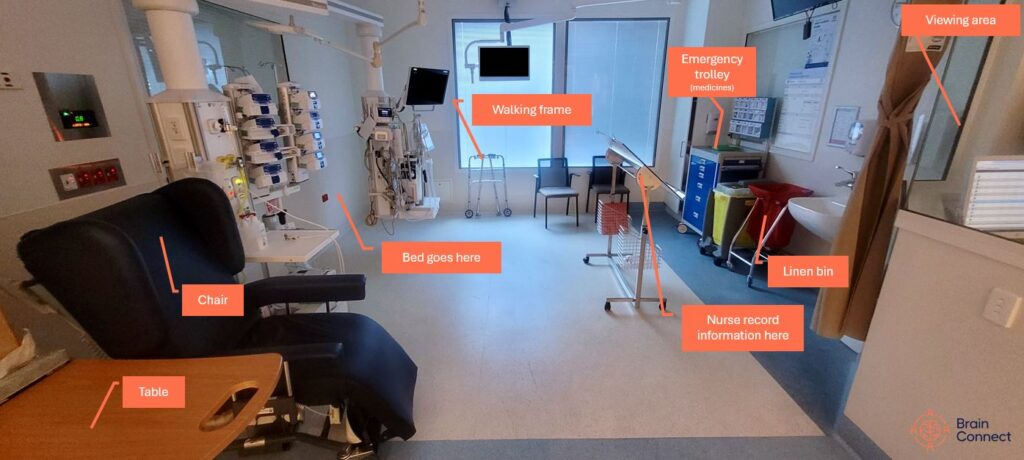
What will you hear? Staff talking, equipment alarms, different machines beeping and making noises, doors opening and closing, people walking, moving objects.
The machines help your special person to breathe or check how quickly their heart is beating. Click below to listen to the sounds the machines make.
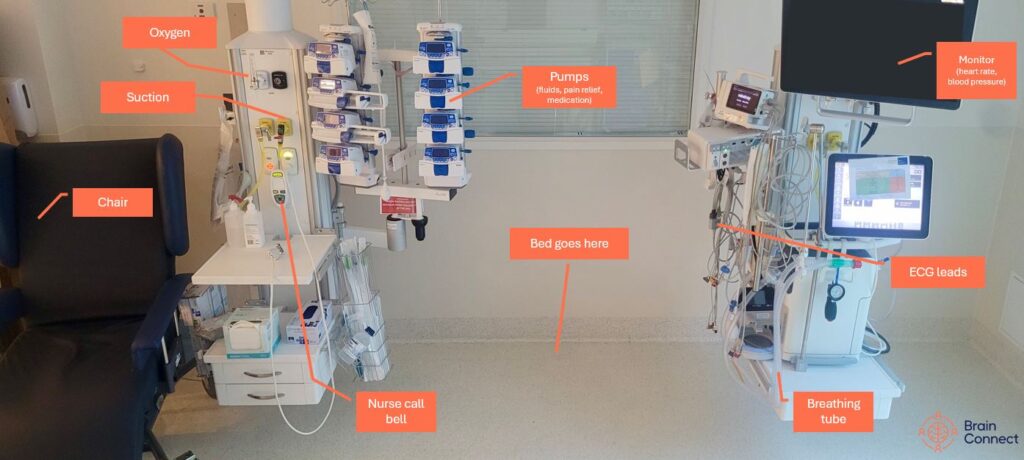
The tubes help take fluid away, or put medicine into the body.
Different hospitals have different rules about families and children visiting the ICU. Always check with your family and the local hospital before visiting.
Your special person
Your special person may look different which may be a bit of a surprise to you at first.
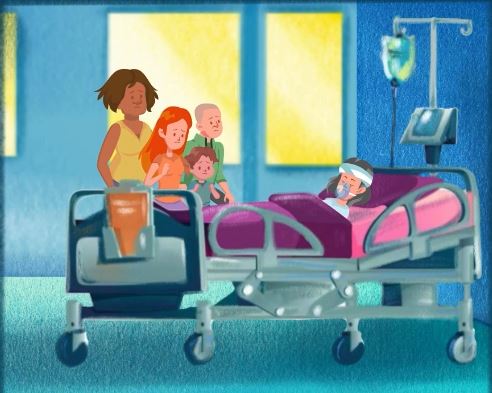
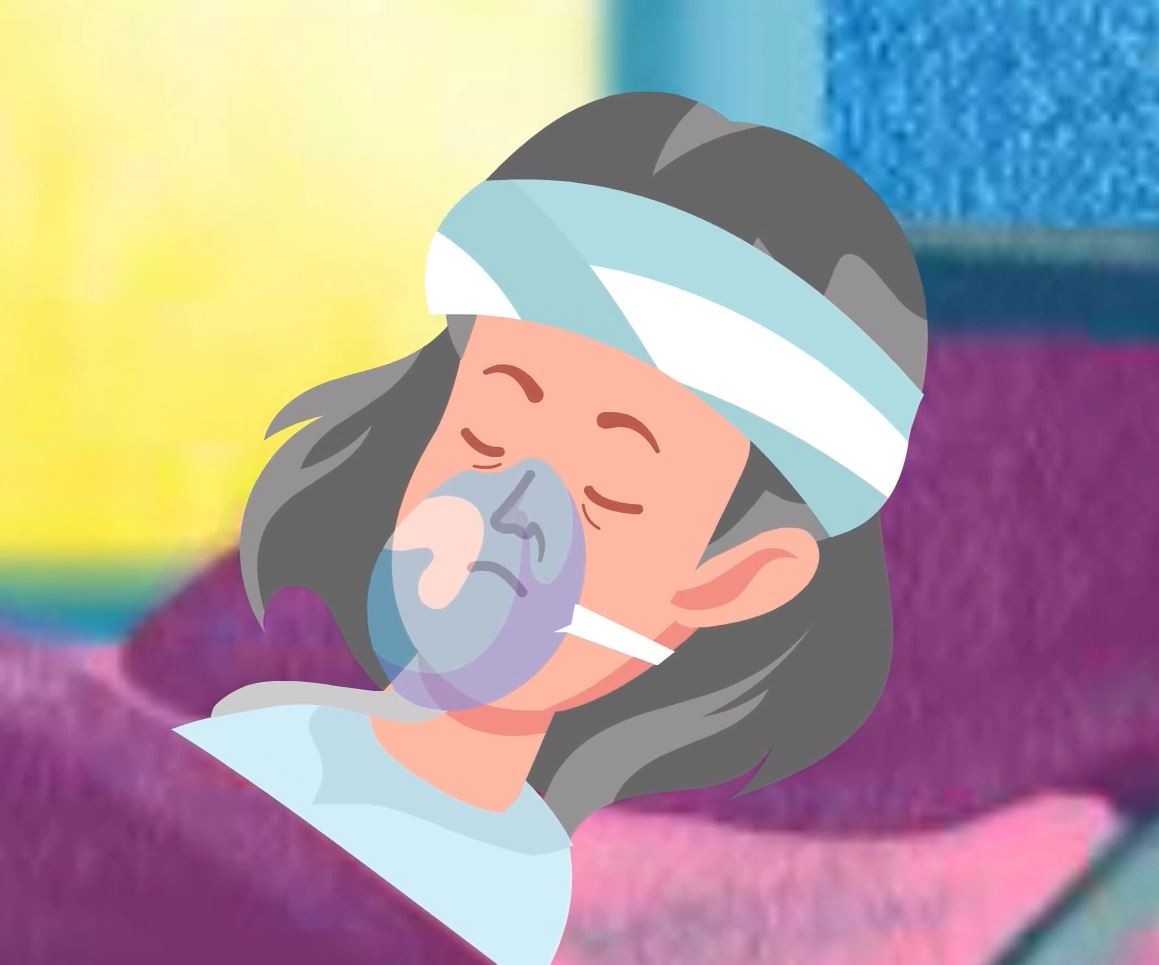
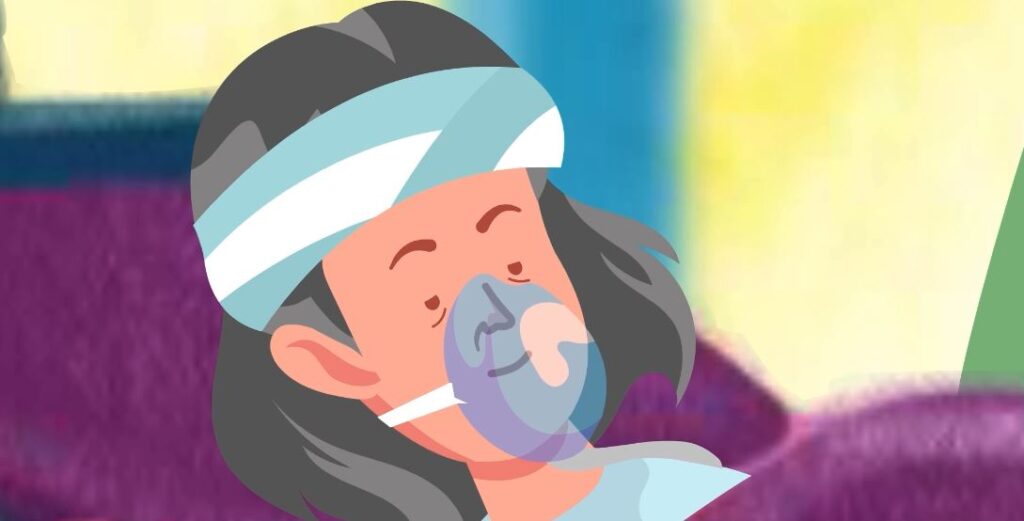
They will probably be laying down, with their eyes closed, looking like they are asleep.
Sometimes, people are put into a coma which is a deep sleep to help their brain and body to heal. Most people wake up from a coma, but some people do not.
Sometimes, medicines or bandages may make their face look puffy and their skin colour can look different. Depending on their injuries, they may have bruises or scratches.
Some tubes will be on their body, others may be on their head.
If your special person is in a coma and wakes up, they may be unable to do the things they could before their brain injury, like talk or walk.
They may not remember information like your name or what day it is. This is normal, especially when they first wake up!
For lots of information about these changes, check out our ‘changes‘ section.
Your special person needs time for their brain to wake up.
How long your special person may stay in the ICU depends on their injuries. It may be a few days or a few weeks.
It may be helpful for you to see a photo of your special person before coming into the hospital.
You may like to make something special for your special person, and bring it in when you visit. If you are not comfortable going into hospital, you can get another family member to bring it in.
Here are some suggestions of things you can do for your special person:

Write a card or letter
Write down your thoughts, wishes, feelings or things you have been doing
Draw a picture
Draw a picture of your family, your pets, you and your parent(s) / family members / friends doing the things you love

Bring in photos
Take some new photos of yourself and your family, or bring in old photos
Bring in a special toy
Leave one of your loved toys with your special person
Hold hands
Check with the nurse or your family to see if you can hold your special person’s hand
Record a message or song
Record a message or song to play to your special person
Pray
Pray, if praying is part of your belief system
Ask questions
Ask your family or staff questions that you have. It is much better to ask, than worry or make up information in your own mind
Tips for your hospital visit
- Stay up to 15 minutes
- Have a ‘code word’ you could say to an adult if or when you would like to leave, like “popcorn” or “beetle”
- Visit with a brother or sister, friend or other family member
- Afterwards, talk to an adult you trust as you will probably feel many, strong and frequent feelings
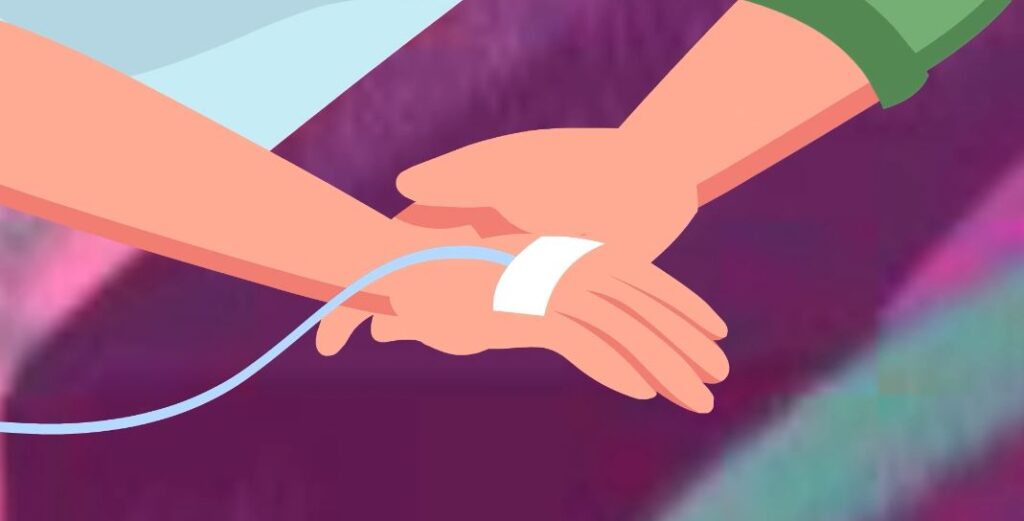
Some children do not like visiting hospitals and that’s ok. You may like to wait until your special person has woken up and and moved to another ward. If you would not like to go to the ICU, your family can give you information about how your special person is going.
Ward
After the ICU, your special person may go to another place in the hospital called a ‘ward’. Going to a ward means they are well enough to come off the machines in the ICU and be looked after by a different group of nurses, doctors and staff.
Being in the ward will help your family understand what may happen next in your special person’s recovery and where they may go.
Your special person may go home straight from hospital, or they may need to go to another hospital, called ‘rehabilitation’.
If they go to rehabilitation, they may have to wait in the hospital until there is a bed free.
If your special person is well enough to go home, they may go to therapies from home to help them try to get better.
Rehabilitation
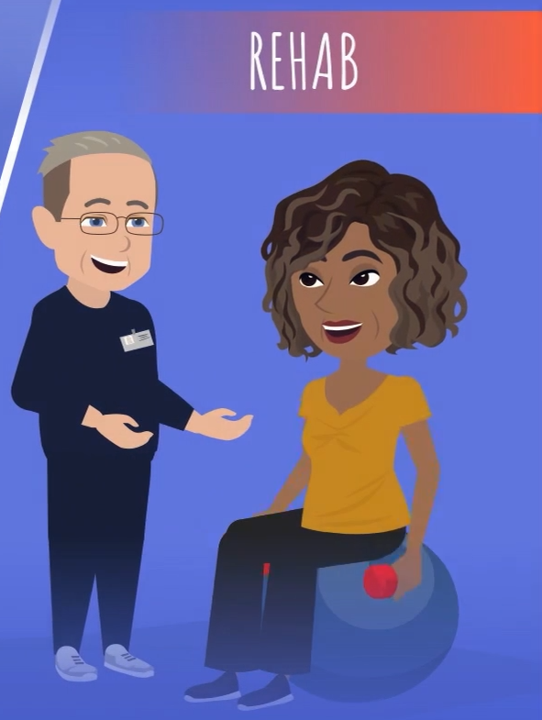
Rehabilitation (also called ‘rehab’) is a hospital where your special person may go to try to re-learn skills they could do before. Sometimes these skills can be re-learnt, while other skills cannot.
Skills that often need to be re-learnt after a brain injury are:
- Going to the toilet
- Being able to talk and say words in the right order
- Eat food
- Move their body
- Remember information, conversations or things that have recently happened
- Behave in a respectful way to others
- Shower and dress themselves
Many staff members will be involved throughout rehabilitation, this is because they all help in different ways. All of the activities (called therapy) your special person does, helps them to have the best chance of getting better.
Rehabilitation can involve you and your family too.
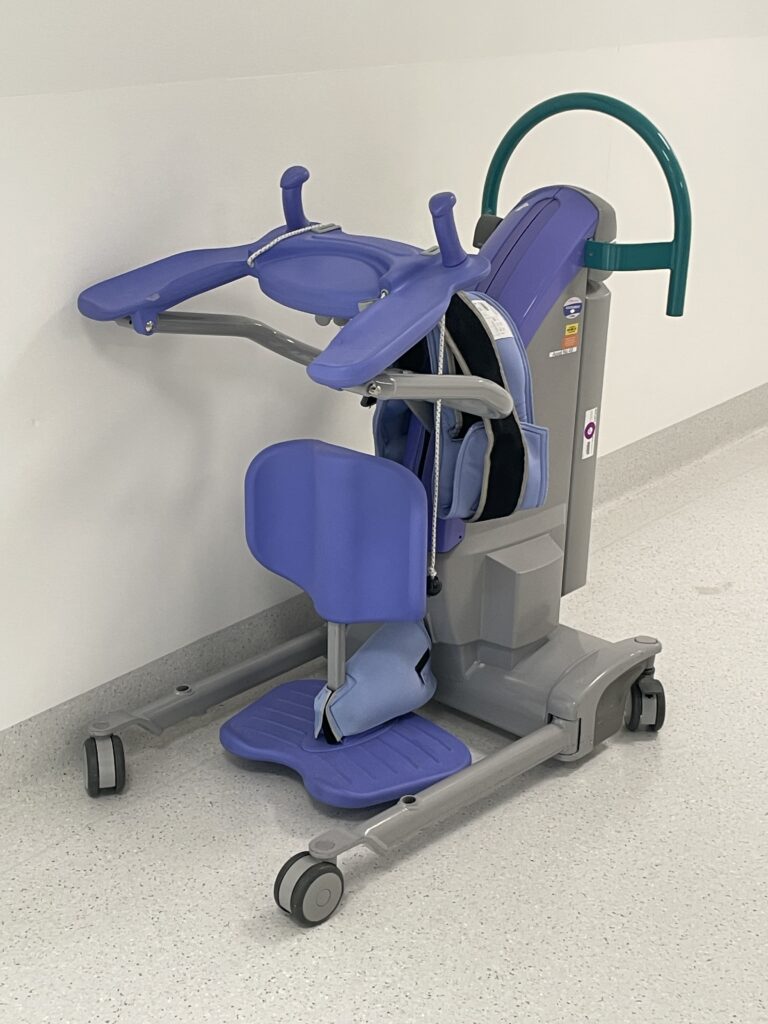
It’s a special standing machine called a ‘Sara Plus’. It helps to safely move someone from things like a bed to a wheelchair, when they need help to stand.
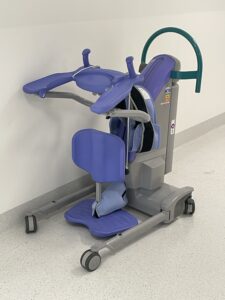
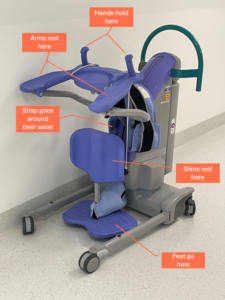
How long your special person stays in rehabilitation, depends on their brain injury, how much help they need and how well they responded to therapy. Some people stay for weeks, others stay for months.
Some people can go home from rehabilitation. Others need lifetime care and support outside of the home in a different house, with trained staff and special equipment.
Many young people wonder what their special person does in rehabilitation and what their days are like. You can use the timetable below to write down their therapy sessions, when you will be visiting or going to school.
A doctor checks the body, works out what might be wrong and prescribes medicines to help.
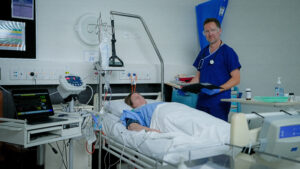
A nurse is a caring helper who looks after patients. Nurses do things like check their temperature, help them move around and makes sure they are comfortable.
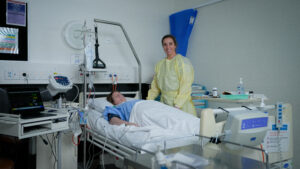
A speech pathologist helps people find the best ways to communicate which may be through words, pictures or gestures (like thumbs up or down). They also help with reading and writing, thinking and swallowing.
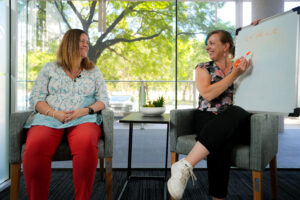
A social worker helps people and families understand how an injury may change their life and their relationships. They help connect people to the right services. They are great people to talk to about your thoughts, feelings and questions.
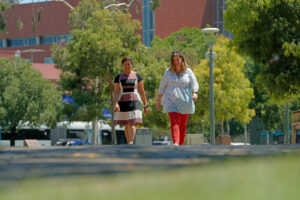
An occupational therapist (often called an OT) helps people get back to doing the things they love and need to do every day. Tasks can be within the home, such as having a shower, getting dressed or cooking. They also help people in the community, like catching buses or going shopping.

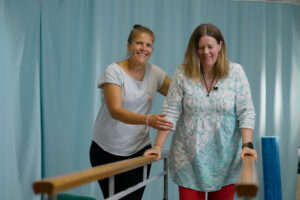
A physiotherapist (often called a physio) helps people get stronger and back to moving, which might be by themselves, or with the use of equipment like wheelchairs or a walker.