Share your story
Gather – Check – Practice – Decide – Talk
An important part of coping with your special person’s brain injury is to understand what happened.
It is normal to have friends, teachers, family members and other people ask you about it.
Understanding everything that has happened can help you to tell your version of the story.
Remember:
- It is up to you to decide if, when and how you would like to share your story
- You don’t need to tell people your story just because they asked
- You may decide you only want to tell parts of your story. You can pick and choose the parts
On this page, you can bring all of the information together that you have learnt about your special person’s brain injury and practice how you may like to share your story.
You can print and use the worksheet below, or scroll down to see each part of the process.
Gather
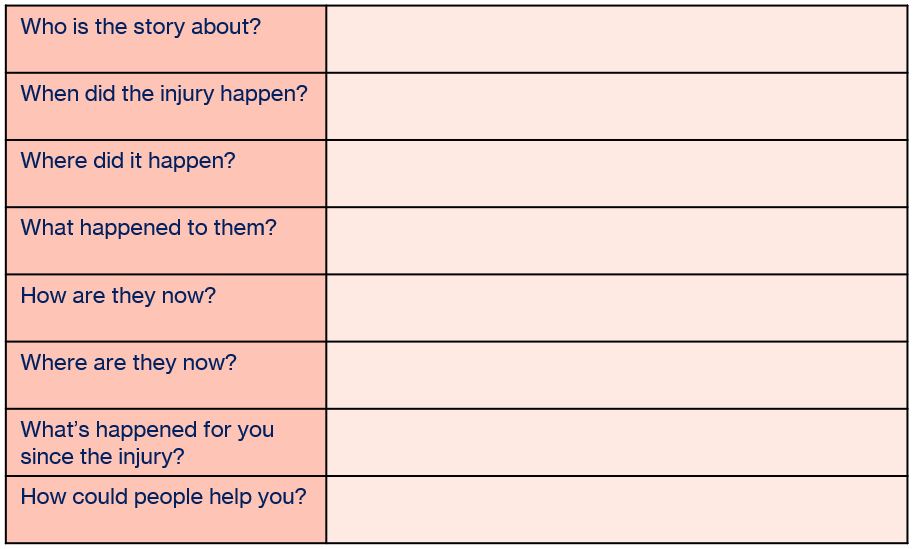
Use the questions in the table to gather information about what happened. Write the answers on the printed worksheet or separate sheet of paper.
Check
Now that you’ve listed details about what happened, you can check the information with your family, or staff at the hospital. Checking helps to fill in any gaps or make sure you have the correct information.
If your story includes other family members, like brothers or sisters, it is good to check if they are comfortable with you sharing any information about them. Remember, not everyone may like to share the same amount of information and that’s ok.
As time passes, your story may change as you learn more about brain injury, the changes to your special person and your family, and what it all means for you.
Practice
Talking about your special person’s brain injury can be really hard.
Practice telling your story with people you trust. That way, you may feel more ready when people ask you about it.
Decide
Decide who you want to talk to, or who you want to share your story with.
It’s always good to have people to turn to that we trust.
There are different levels of trust amongst the people in your life. You might trust these people with your safety, your worries, to share in your good times and the harder days.
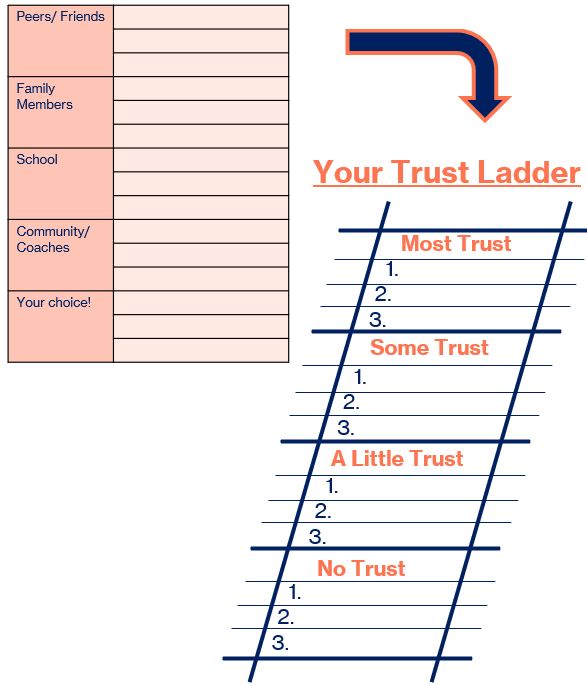
List the names of people in your life, including close friends, teachers, coaches, caregivers, cousins and other family members.
Then create a trust ladder by placing those names into the trust levels.
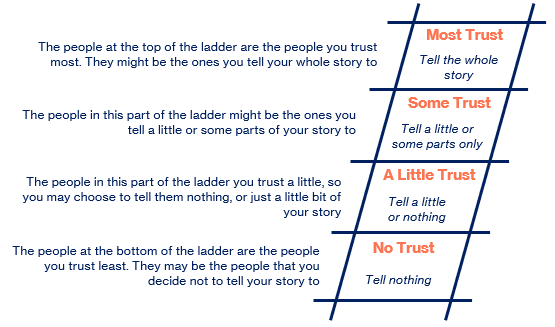
Now that you have developed your trust ladder, consider how much of your story to tell them.
Talk
Remember it is up to you to tell your version of the story, whenever you are ready and feel ok to do so.
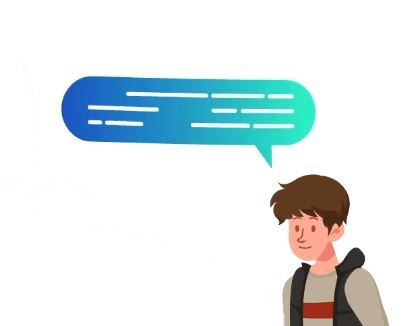
Here’s an example of what you could say:
| Tell a little | “My dad’s head got hurt in an accident. He’s okay now, but sometimes he forgets stuff.” |
| Tell some parts | “My mom fell and hit her head one month ago. She had to stay in the hospital for a while, and now she has to rest more than before. She sometimes has trouble remembering things, but she jokes about it.” |
| Tell the whole story | “Last week, my dad was in a car accident and hit his head really badly. The doctors said it was a brain injury. He can’t walk or talk very well, and he has to stay in the hospital for months. I have to go and live with my Aunty as Mum lives interstate. Dad’s in brain injury rehabilitation, having different therapies to help him get better. He seems like he’s getting stronger each day, but he still forgets things we’ve talked about and he always gets tired easily. I can only visit for 1 hour at a time. I’m trying to help him by writing things down and reminding him gently.” |
You may find the same questions come up, and others may be surprising. If you are not sure what to say, you could say:
“I wouldn’t like to talk about that at the moment”
“I’m not ready to talk about that so I will let you know when I am”
“That’s a hard question, let me think about it”
“Can you ask me later?”
“Thank you for asking. I’m still working through it all right now”
“I’m keeping that information private”
What else could you say?______________________________
Videos: What have other young people gone through?
Your story could be long, or it could be short. We’ve got a few videos coming up that are on the long side, but your story may be shorter.
Meet Bella
Bella was 12 years old when her Dad had his brain injury. This is her full story so it’s a long video so come back to it if you would like to watch it in little bits.
Meet Sam
Sam was 14 years old when his Mum had her brain injury
Would you like to submit your own story? Let us know