Brain Injury
You’ve learnt that one of the most important people in your life has a brain injury. Do you feel shocked, angry, numb or afraid?
Do you feel like life is unfair?
One thing is certain – you don’t feel good.
Before you learn about brain injury, it’s important to recap a few key things about the brain.
The brain
Your brain is like the “control centre” of your body. It helps you think, move, feel, and understand the world. Even though it’s one organ, different parts of it (called lobes) have special jobs, kind of like different players on a sports team. When a brain injury happens, those jobs can get harder, depending on which lobe is affected.
Click and explore below:
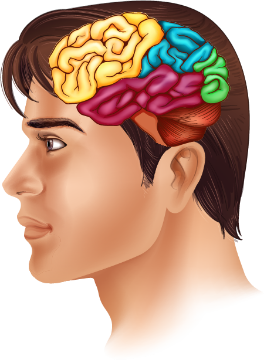

Frontal lobe
Helps with:
- Problem solving
- Planning & organising
- Making judgements
- Emotions, behaviour and mood
- Personality
- Social skills

Temporal lobe
Helps with:
- Understanding language
- Memory
- Emotions
- Enjoyment of music
- Recognise & identify things we see (faces or objects)

Parietal lobe
Helps with:
- Knowing left from right
- Sensations (touch, pressure, temperature, pain)
- Hearing
- Reading
- Smelling
- Tasting

Occipital lobe
Helps with:
- Understanding what we see
- Reading and writing
- Understanding shapes, colour & distance

Brain stem
Helps with:
- Breathing
- Swallowing
- Appetite
- Beating of our heart
- Body temperature
- Staying awake or asleep

Cerebellum
Helps with:
- Balance
- Coordination
- Movement
- Regulating feelings and responses
- Organising thought
What is a brain injury?
A brain injury happens when the brain gets hurt, any time after birth. This can happen by non-traumatic or traumatic causes.
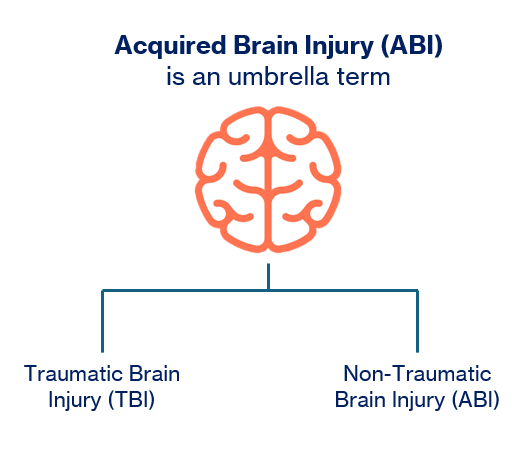
Below is an animation that describes brain injury, what it is and how it can change your special person. Knowing all of this can help prepare you for what you may experience.
How are brain injuries diagnosed?
Diagnosing a brain injury involves several steps to understand the extent of the damage to the brain.
First, doctors understand the incident that caused the injury and any symptoms your special person might be experiencing, like headaches, confusion, or dizziness.
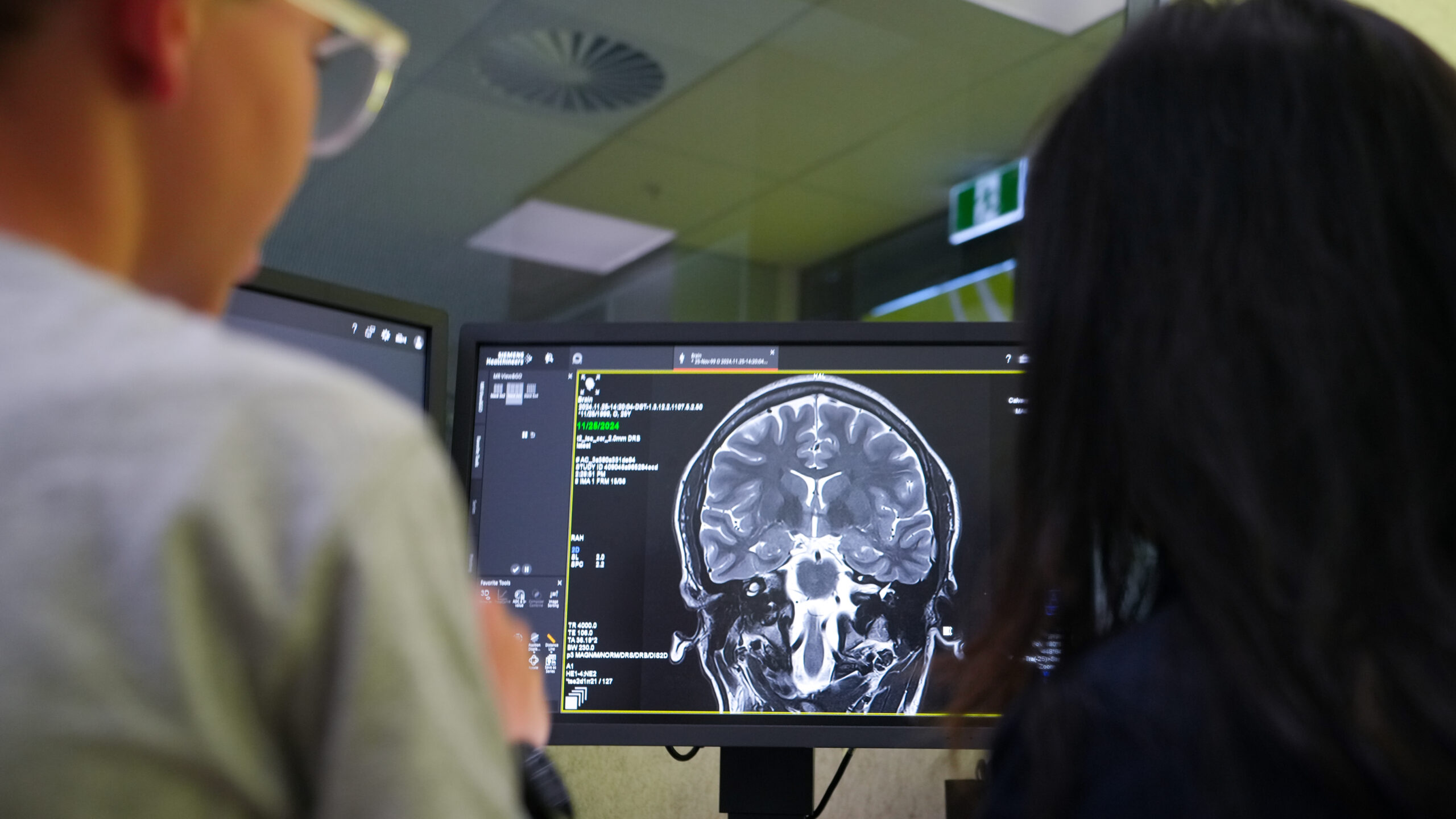
The Doctor will conduct a physical exam to check your special person’s reflexes, coordination, and balance. To get a detailed look at their brain, doctors often use imaging tests like CT scans or MRIs, which create pictures of the brain to identify any bleeding, swelling, or fractures. Find out more information about hospital things, please click below:
What happens after a brain injury?
The journey after a brain injury can be challenging and complex, involving multiple stages of recovery and adjustment. Here’s an overview of what you might experience.
What are the stats?
- There are over 700,000 Australians living with a brain injury
- Worldwide, over 69 million people each year sustain a traumatic brain injury (TBI)
- Stroke is the 3rd leading cause of disability world wide
- Over $400 billion globally is spent each year on people with a TBI
- Most TBI’s are classified as mild
Will my special person get better?
Predicting how your special person will recover after a brain injury is difficult to answer because it depends on:
- How the brain injury happened
- What parts of the brain were hurt
- How widespread and serious the injury is
If you ask the question “will my special person get better?”, you may hear the doctor’s, health professionals or your family say “we don’t know” which may be the only honest answer they can give.
What is needed to understand your special person’s recovery is time.
The level of recovery after a brain injury is different for each person. You may experience small changes in your special person, or there may be big changes, or disabilities, that are lifelong. No matter the changes, hold onto hope and explore new ways of making life enjoyable and fulfilling.
Changes
Brain injuries change the way brains work, so it’s no wonder that lots of changes can happen to your special person. Changes extend out to everyone around around them, including you.
Let’s see and hear from a mum and two dad’s about their experiences of having a brain injury. They share how they got their injuries and how these experiences brought them closer to their families. They discuss the impact on their children and what kids might go through. Their reflections are warm and caring, offering new insights into their new perspectives on life, their happiness, and even their thoughts on food!
When life suddenly changed for our kids
…and importantly, how our kids helped us heal
Can I see all the changes to my special person?
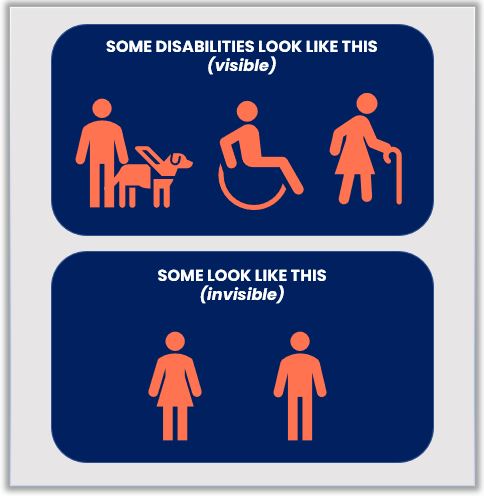
No. After a brain injury, people can experience both visible and invisible changes.
Visible changes might include physical symptoms like difficulty walking, moving parts of their body, or how they complete tasks like having a shower. Some people use different equipment to help them, such as lifting machines to get them out of bed, or a wheelchair to mobilise indoors and outdoors.
Invisible changes can be just as significant but harder to notice. These include issues with memory, concentration, and emotions. For example, your special person might feel more anxious or have mood swings. They might find it hard to remember conversations or find it hard to concentrate on tasks like housework. They may have difficulty recognising people and what things are used for. For example, they might look at a mobile phone and think it’s used to brush their hair. They might say or do things that they wouldn’t have said in the past. For young people, experiencing these changes can be embarrassing and frustrating. This is normal!
Video: Re-building Brain Power
Watch the video below to understand how you can help your special person re-build brain power when they’ve experienced invisible changes.
**add in educational video # 2 (re-building brain power)
What else can you do to help your special person?
In addition to the suggestions in the video above, here are some general things that other teens have done to help their special person. Pick one or two things you could try each week:
- Spend time with them = watch a movie, read a book or have a chat. Ask for help with homework or talk about things happening in your life. Give hugs. Say “I love you” or just hang out in silence
- Help when you can = empty the dishwasher, pick up your clothes or offer to cook a meal. Little gestures like this can make a big difference
- Be patient = you are all experiencing stress so use different strategies like taking some time out, shooting hoops, or going for a walk if you are getting frustrated
- Share a laugh = talk about fun times and memories or watch a comedy show. You’re not responsible for making everyone happy, and know that you can only do so much
- Be real = be yourself and share your feelings and experiences – good or challenging – as it’s ok to share this and let others comfort you. Showing emotions is a real super power!
- Keep them in the loop = tell your special person what you’ve been up to and what’s happening in your life. Ask how their day has been
- Help with your younger siblings = play with them to give your parents or caregivers a break
- Keep a journal together = write your thoughts down, put in photos or draw things in a book that you share. This can help share your feelings when it might be hard to say them out aloud
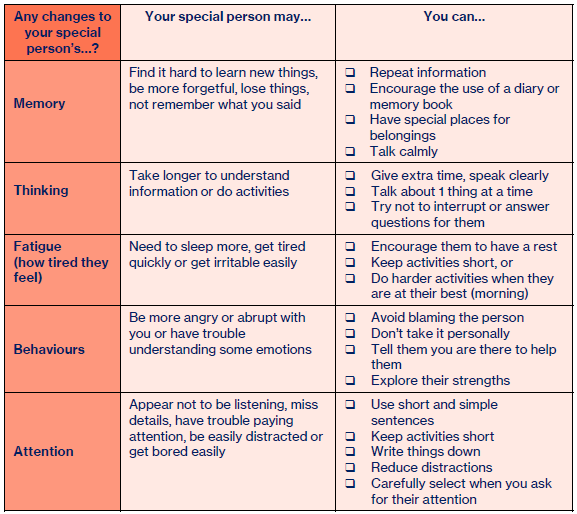
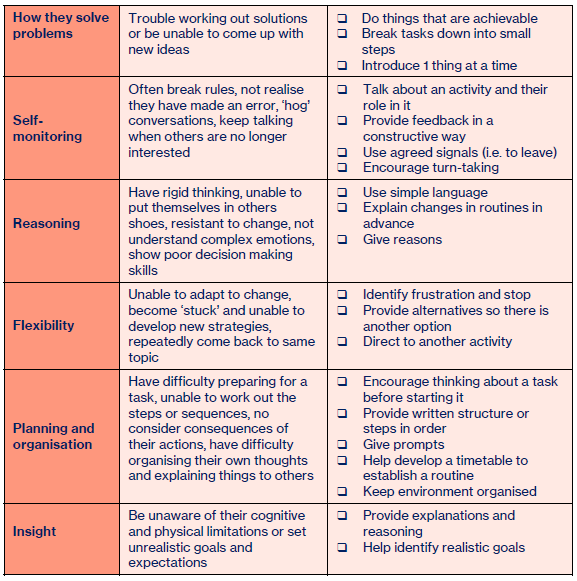
It is normal for people to experience different changes after a brain injury. Have a look at the table and see how you could help your special person if they have had changes to their:
Brain injury myths
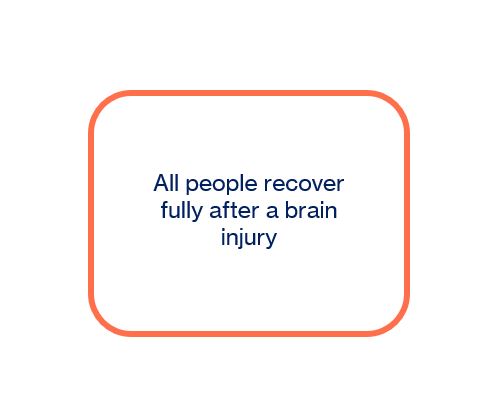
False
TV and movies portray full recovery after a coma and for all brain injury types. As every brain injury is different, each survivor will heal at their own pace, based on many factors like how serious their injuries were, their age and any underlying health conditions. Some disabilities can last a lifetime so full healing may be impossible.
False
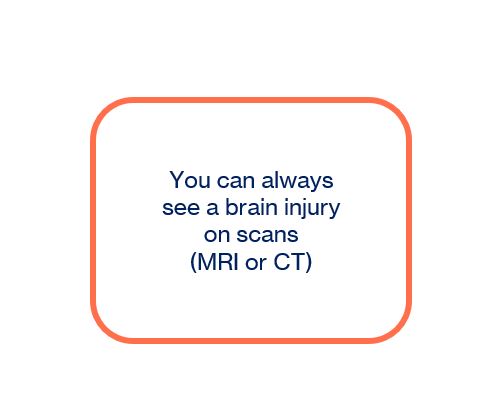
CT and MRI scans look for trauma, bleeding and skull fractures. Not all brain injuries, like concussions, show up on scans. A clear scan does not eliminate a possible brain injury.
False
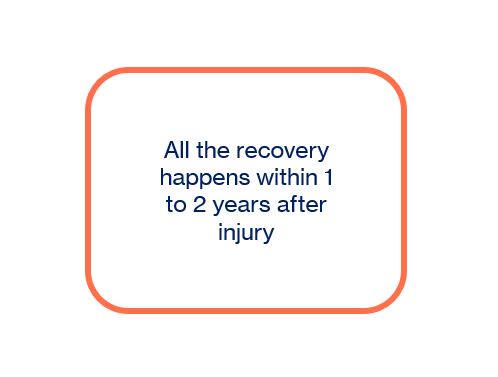
Some people assert that all recovery after a brain injury occurs within the first few years. This is incorrect. Improvements in recovery are always possible in time and by finding the right therapies for symptoms.
False
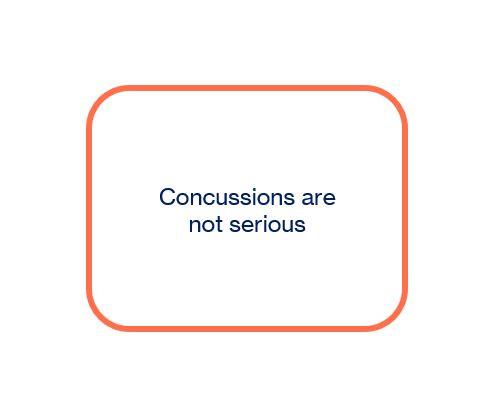
While concussions are a form of mild traumatic brain injury, they are a brain injury nonetheless. Many people recover from a concussion within a few weeks, some people will experience lifelong symptoms following a concussion.
False
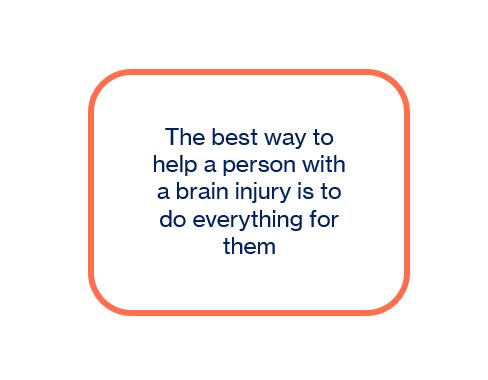
Ensure the survivor has a personal sense of dignity, respect and self-worth by letting them attempt to do tasks themselves. Be there for your loved one, but resist the urge to assist fully, such as finishing off sentences, when it can be attempted independently.
False
All effects, changes or disabilities after a brain injury are not apparent immediately after the brain injury occurs. Changes in behaviour, memory, thinking, fatigue and concentration weeks or even months after an injury.
Do you know how your special person got their brain injury?
Can’t find what you need? Let us know