Concussion
What is a concussion?
A concussion is when the brain suddenly moves back and forth inside the skull causing it to bruise, bleed, stretch, swell or tear nerves. Any and many parts of the brain can be hurt as a result. It temporarily affects brain function and can cause various physical, cognitive, and emotional symptoms.
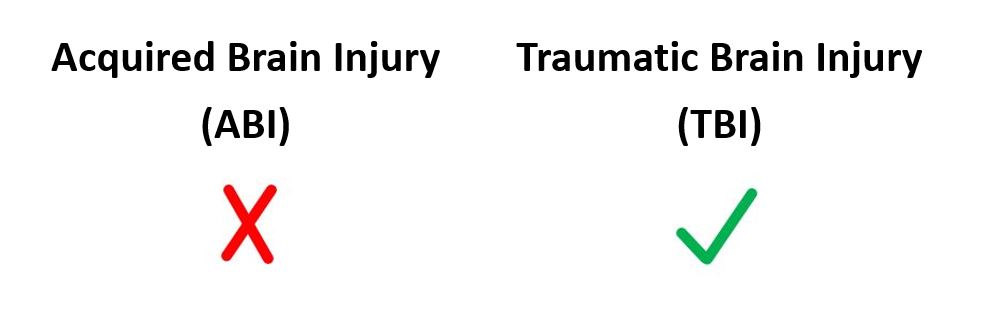
A concussion is also known as a mild traumatic brain injury (mTBI), but even though it’s called “mild,” it can still have serious effects.
What type of brain injury happens in a concussion?
What happens during a concussion?
The brain is a soft, delicate organ floating inside your skull. When a concussion happens, it’s like the brain gets jostled or shaken, causing it to bump against the inside of the skull. This can stretch and damage brain cells and affect how the brain works.
Signs and Symptoms
Knowing the signs of a concussion can help prepare you for what you might see or experience. Here are some common symptoms to look out for:
- Headache: Persistent or worsening headaches
- Nausea and vomiting: Feeling sick to the stomach or throwing up
- Dizziness and balance issues: Feeling lightheaded or having trouble walking
- Confusion and memory loss: Trouble remembering events or feeling disoriented
- Behavioral changes: Unusual mood swings, irritability, or personality changes
- Sleep problems: Difficulty falling asleep, staying asleep, or sleeping too much
- Sensitivity to light and noise: Finding bright lights or loud sounds more bothersome than usual
- Fatigue: Feeling unusually tired and lacking energy
What tests might my special person have?
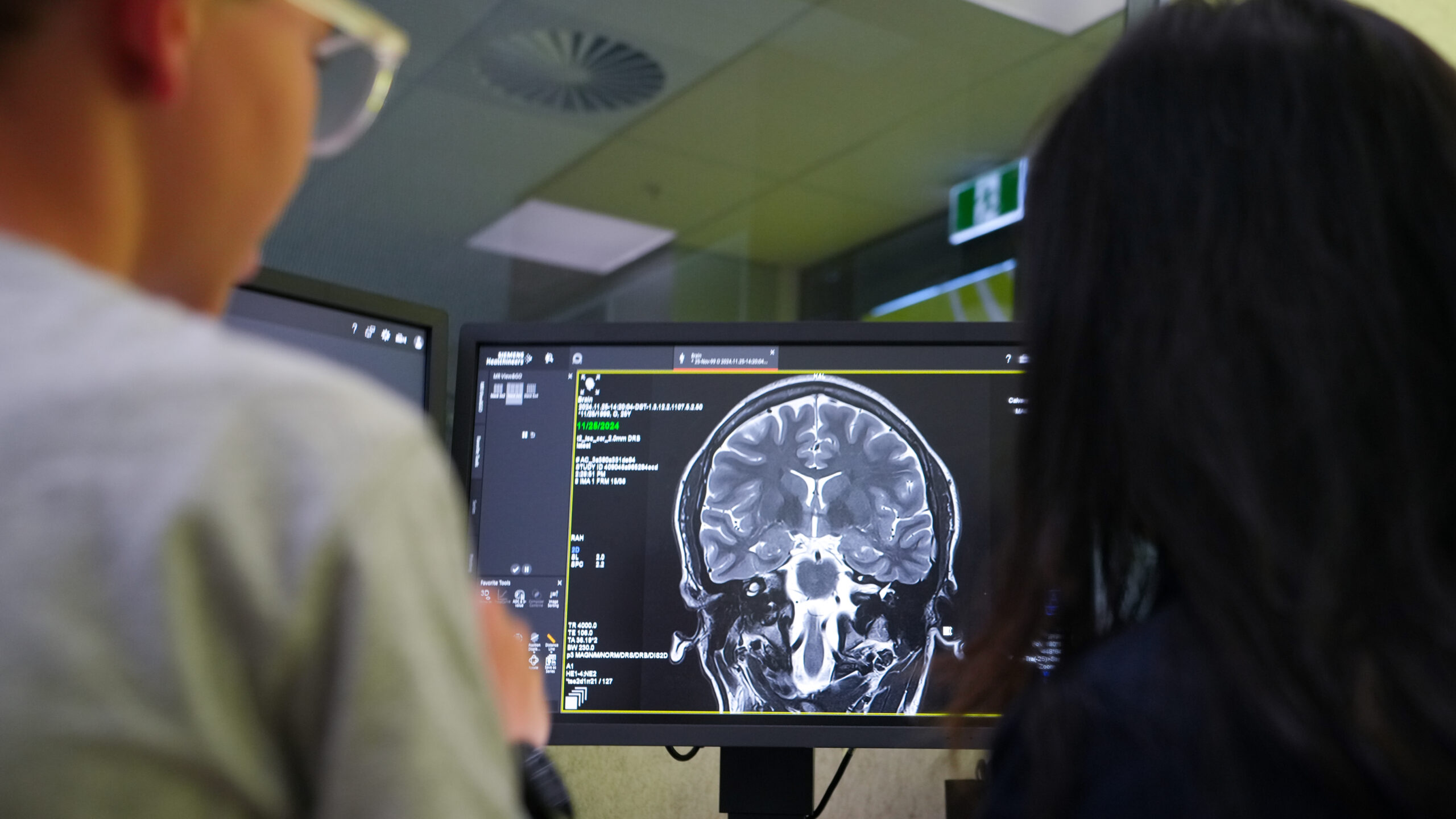
A concussion causes a traumatic brain injury (TBI). TBI’s can be seen on different tests like a CT Scan or MRI. These tests will help professionals know the type of TBI, how serious it is and what parts of the brain have been hurt.
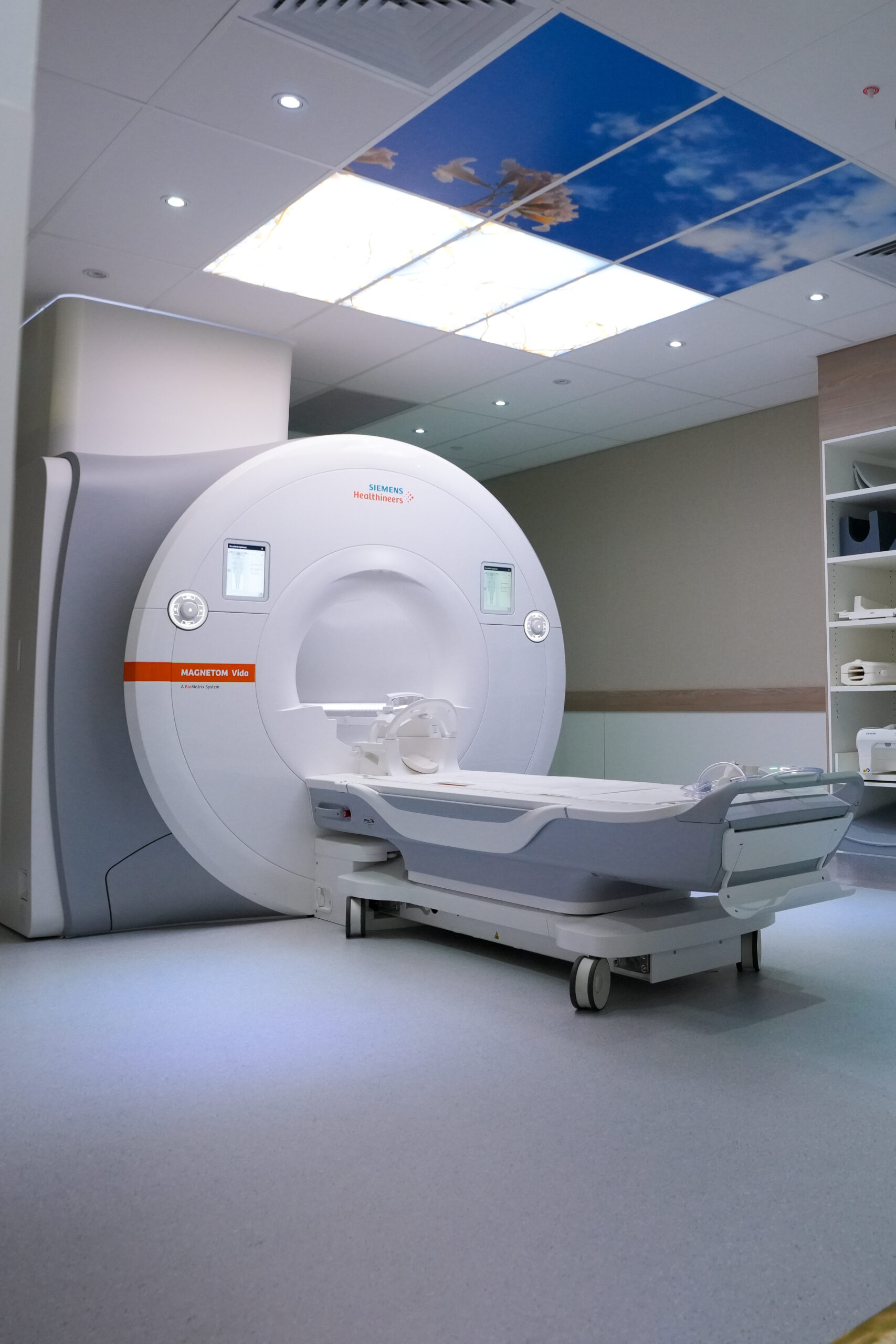
MRI
Magnetic Resonance Imaging
A machine that uses different waves to make images of organs and other tissues within the body
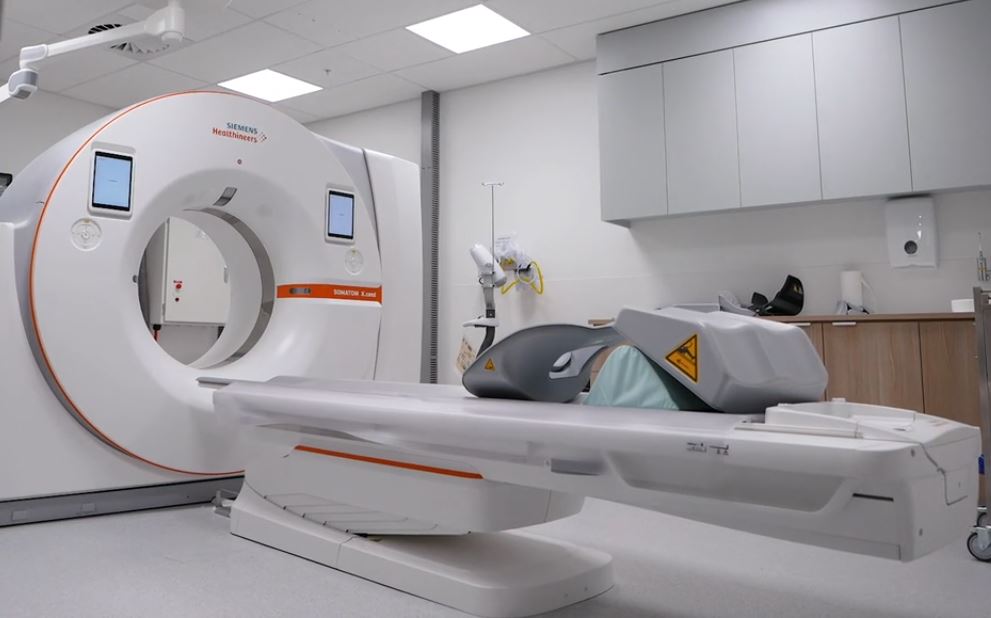
CT
Computerised Tomography
A machine that uses x-rays and a computer to take 3D images of the inside of the body

Surgery
A procedure where special doctors and nurses help to stop any blood going to areas it should not be going into or remove the skull to help the brain to swell safely.
How does a concussion affect the brain?
The effects of a concussion can vary depending on the severity and the person. Here are some common impacts:
- Cognitive function: Difficulty with concentration, memory, and thinking clearly
- Physical symptoms: Headaches, dizziness, nausea, and balance issues
- Emotional changes: Mood swings, irritability, depression, or anxiety
- Sleep disturbances: Trouble falling asleep, staying asleep, or sleeping more than usual
Life after a concussion
Recovering from a concussion can take time, but many people make improvements with the right care and support. Here are some steps involved:
- Immediate rest: Rest is crucial in the first few days after a concussion to allow the brain to heal
- Gradual return to activity: Slowly resuming activities as symptoms improve, following medical advice
- Avoiding risky activities: Staying away from activities that could result in another concussion while healing
- Healthy lifestyle: Eating a balanced diet, staying hydrated, and getting plenty of sleep can aid recovery
- Support: Emotional and psychological support from family, friends, and professionals is crucial. Support groups can also be very helpful
How you can help?
If a special person has experienced a concussion, you can make a big difference:
- Be patient: Recovery can take time, and your patience will be a great help
- Offer support: Help with daily tasks, be a good listener, and encourage your special person to follow their treatment and recovery plan
- Stay positive: A positive attitude can boost your special person’s morale and encourage them to keep going