Hypoxia
What type of brain injury is hypoxia?
What is hypoxia?
Brain hypoxia happens when the brain doesn’t get enough oxygen. Oxygen is essential for the brain to function properly, and without it, brain cells can start to die within minutes.
There are several causes of hypoxia, including:
- Drowning: When someone is unable to breathe underwater
- Choking: When an object blocks the airway
- Strangulation: When the neck is compressed, cutting off blood flow
- Heart problems: Such as cardiac arrest, where the heart stops pumping blood
- Severe asthma: When breathing is severely restricted
- High altitude: Where there is less oxygen in the air
What happens during hypoxia?
Imagine the brain as a bustling city that needs a constant supply of oxygen to function, like how a city needs power. When hypoxia occurs, it’s like the power supply to the city is cut off, and everything starts to shut down.
Signs and Symptoms
Knowing the signs of hypoxia can help prepare you for what you might see or experience. Here are some common symptoms to look out for:
- Confusion: The person may seem disoriented or unable to think clearly
- Shortness of Breath: Struggling to breathe or gasping for air
- Cyanosis: Bluish tint to the lips, fingers, or toes due to lack of oxygen
- Unconsciousness: The person may pass out and not respond
- Seizures: Sudden, uncontrolled electrical activity in the brain
- Coma: Prolonged state of unconsciousness
What tests might my special person have?
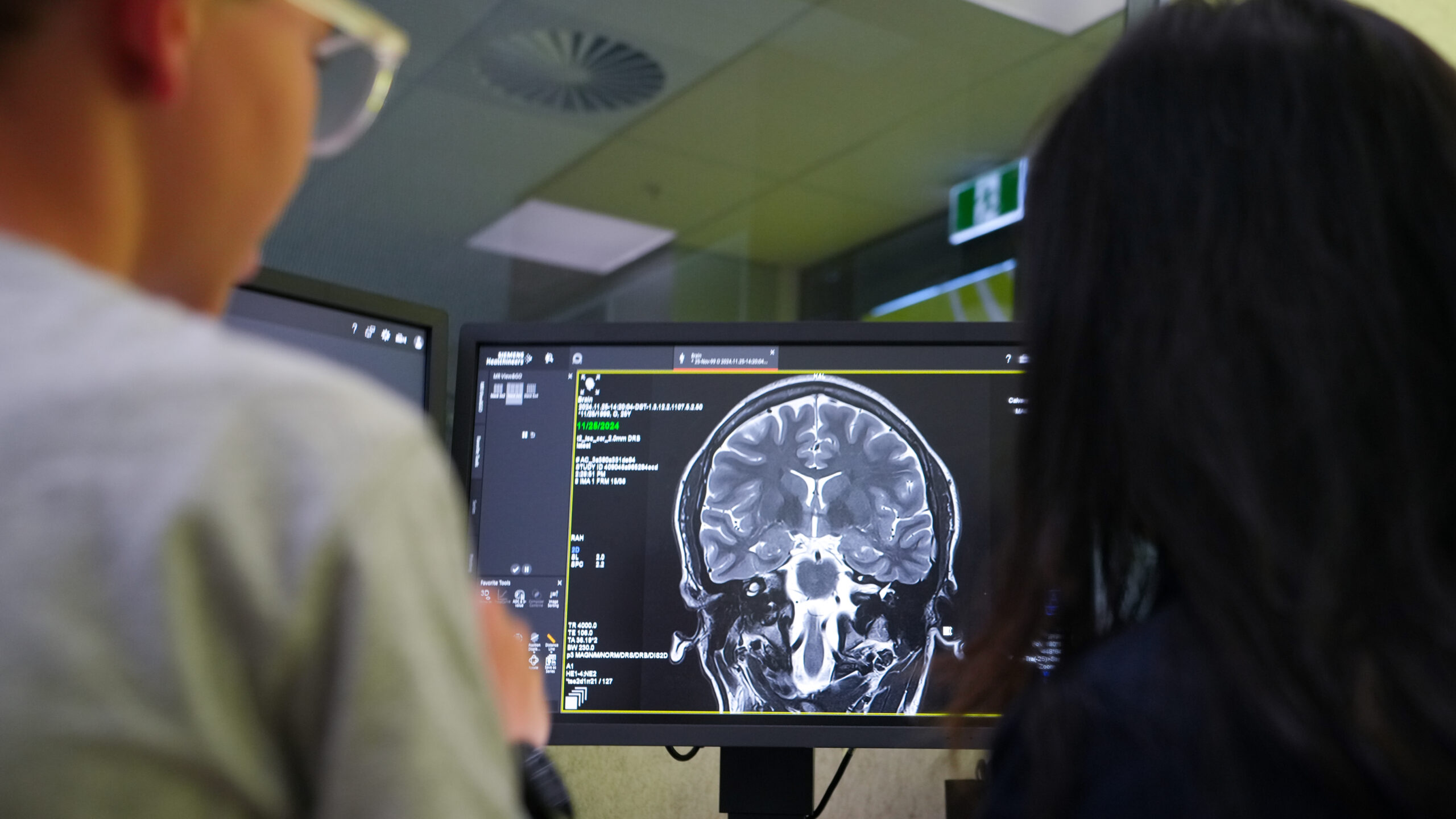
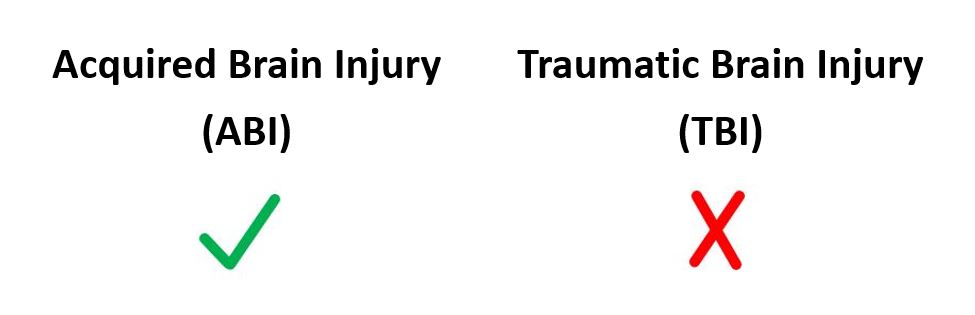
Hypoxia is an acquired brain injury (ABI). ABI’s can be seen on different tests like a CT Scan or MRI. These tests help professionals know the type of ABI, how serious it is and what parts of the brain have been hurt.
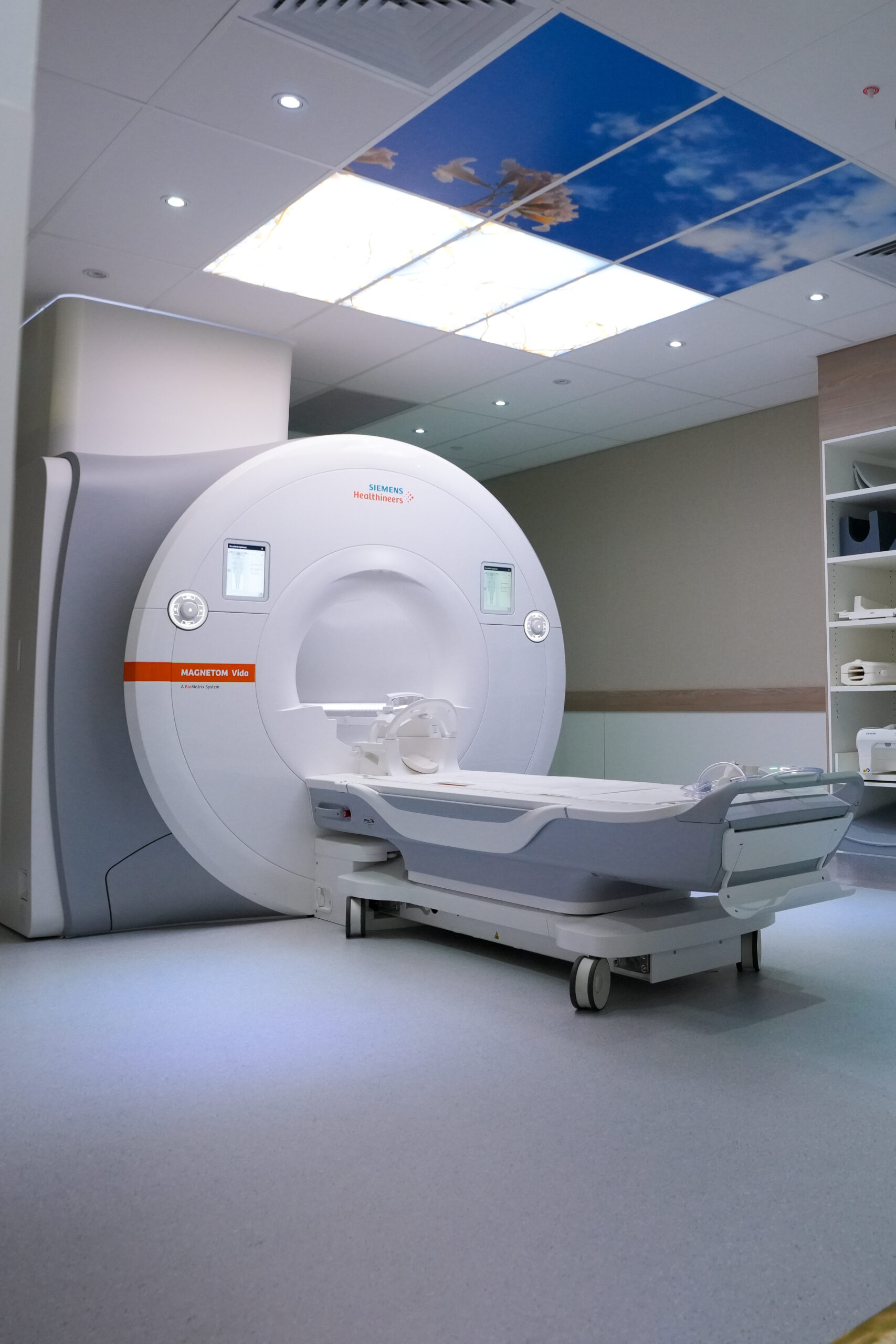
MRI
Magnetic Resonance Imaging
A machine that uses different waves to make images of organs and other tissues within the body
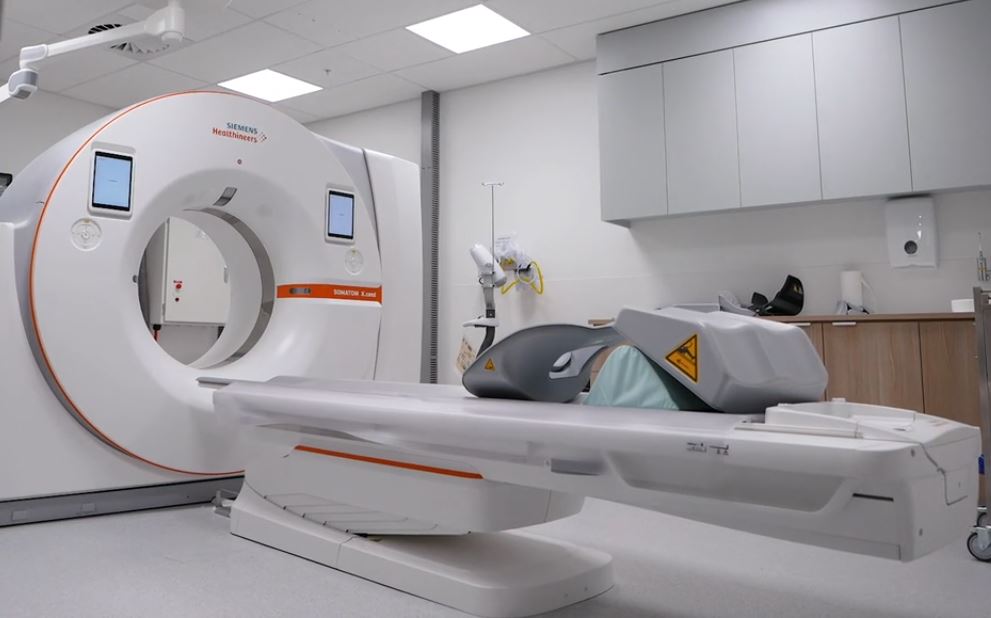
CT
Computerised Tomography
A machine that uses x-rays and a computer to take 3D images of the inside of the body

Surgery
A procedure where special doctors and nurses help to stop any blood going to areas it should not be going into or remove the skull to help the brain to swell safely.
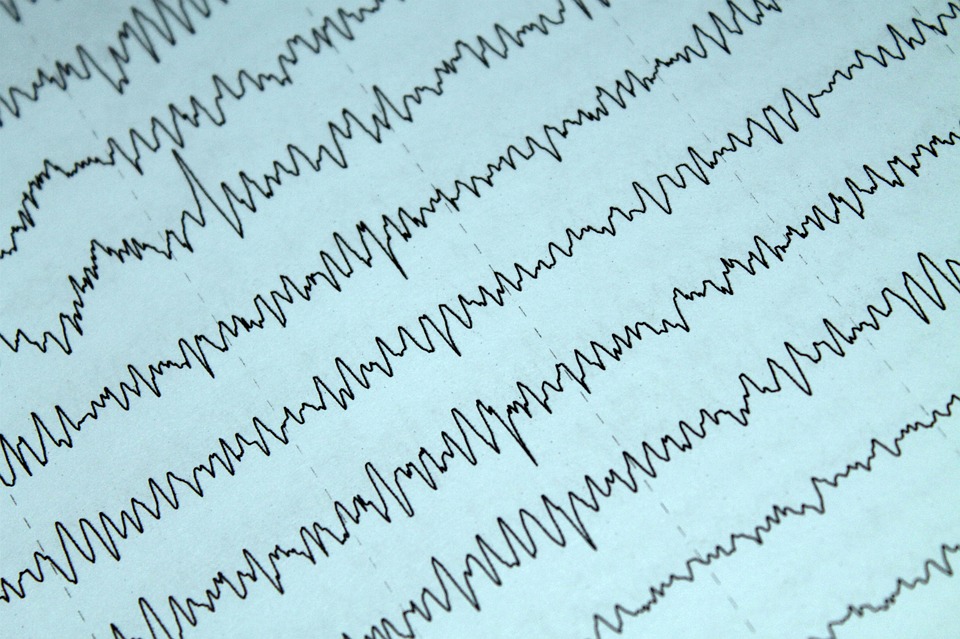
EEG
Electroencephalogram
A machine used to measure electrical activity in the brain.
How does hypoxia affect the brain?
The effects of hypoxia depend on how long the brain is without oxygen and how quickly treatment is received. Here are some common impacts:
- Cognitive function: Difficulty with memory, attention, and problem-solving
- Movement and coordination: Issues with walking, balance, and fine motor skills
- Speech and understanding: Trouble speaking or understanding language
- Vision: Problems with seeing clearly or losing parts of the visual field
- Emotions: Changes in mood or behaviour, such as increased irritability or depression
Life after hypoxia
Recovering from hypoxia can be a long journey, but many people make improvements with the right care and support. Here are some steps involved:
- Emergency treatment: Immediate medical care is crucial to restore oxygen to the brain as quickly as possible
- Rehabilitation: This includes physical therapy to regain strength and coordination, speech therapy to improve communication, and occupational therapy to relearn daily activities like cooking or getting dressed
- Healthy lifestyle: Following a balanced diet, exercising regularly, and avoiding situations that reduce oxygen supply can help in recovery
- Support: Emotional and psychological support from family, friends, and professionals is crucial. Support groups can also be very helpful
How you can help?
If your special person has experienced hypoxia, you can make a big difference:
- Be patient: Recovery can take time, and your patience will be a great help
- Offer support: Help with daily tasks, be a good listener, and encourage your special person to follow their treatment and rehabilitation plan
- Stay positive: A positive attitude can boost your special person’s morale and encourage them to keep going