Impact on you
If a special person has a brain injury, you might be impacted even if you don’t live in the same house as them. It can be very upsetting and stressful as it can take many years to see how the person may recover. During this time, you may be confused, have mixed feelings and feel overwhelmed at times. This is very normal.
It is important to remember that you have a life to live too, and have every right to feel like everything happening to you, and around you, is unfair. It’s important to not blame other people or yourself for what is happening.
When a special person has a brain injury, it’s normal to feel alone. However there are lots of teens going through the same types of things as you.
There could be lots of areas of your life that are being impacted:
Impact on you
Feelings
As you deal with your special person’s brain injury and all the changes to you and your life, you’ll likely feel all kinds of strong emotions. There is no one or “right” way to feel. Some teens have said that having a special person with a brain injury changes the way they look at life. Some found it brought their family closer together, others said they are emotionally stronger and more resilient.
Let’s be honest, sharing feelings can be uncomfortable. Some teens act happy when they are sad or scared, thinking this will make them feel better. It may help for a little while, but not over the long term. Holding your feelings inside can keep you from getting the help you need.
Check the list of emotions below and use them as a way to start conversions with someone you trust:
Young carers
A young carer is “a child or adolescent who takes on significant and regular responsibilities to care for a family member or loved one who is affected by illness, disability, mental health issue or addiction“.
You may find yourself stepping into roles you didn’t expect at this stage of life. Many teens naturally take on and help with daily tasks like cooking, cleaning, or assisting your special person with basic needs. At times, you might take on emotional support, offering comfort or helping them cope with frustration and confusion. You may also act as a communicator, explaining things to doctors or other family members, or even organising appointments and medications.
Being a young carer is a role that requires maturity, patience, and resilience, but it also comes with unique challenges. It’s important to recognise that while caring for a loved one can be rewarding, it may also impact your own life, including school, social activities, and personal time. Many teens face a feeling of guilt between wanting to build their own lives, and feeling tied to their family or some level of a caring role. It is absolutely ok to be developing plans for your own life, but balancing this with the pressures of family or the special person can be tough.
You might feel isolated or overwhelmed at times, which is why it’s crucial to be as open as you can and seek support from friends, family, or professionals when needed. Balancing responsibilities is key—caring for yourself is just as important as caring for someone else. It’s okay to set boundaries and ask for help, whether it’s through support groups, school counsellors, or online resources. Ultimately, being a young carer can teach you valuable skills, but it’s essential to know that you’re not alone and deserve care and understanding too.
Impact on your family
Whatever your family situation, chances are things have changed since your special person had a brain injury. Changes can happen immediately, and keep going over weeks, months and years.
Teens have said that it would have helped to know what changes might happen so when they did happen, they knew and felt prepared.
Are any of these changes occurring in your life?
Your relationship with your special person is different?
They may be preoccupied with getting better and not understand how their injury has impacted on you
Your relationship with either of your parents or other family members has changed?
They may be juggling being at hospital and at home with you
You’re doing more jobs at home?
Are you cooking more? Doing more chores? Looking after your siblings?
Your routines have changed?
Are you going to bed later? Are you getting to sport? Are you spending some time between home and at the hospital?
Who looks after you is different?
Are family or friends coming over to help look after you? Are different people taking you to school? Are there different people in your house than normal?
The amount of money your family has, has changed and may be less than before?
Are you eating takeaway less? Are activities difficult to pay for? Have their been changes in your care givers ability to get to work?
Things other people can do to help you:
- Go grocery shopping or run errands
- Make meals and drop them over
- Mow the lawn
- Do chores around the house
- Keep your special person company
- Give you and your siblings rides to school, sport or appointments
- Help with homework
- Invite you over for a meal or day trip
- Talk with and listen to you
What might help you?
Talking helps
Talking can be hard but it does help. It’s important to talk amongst your family if you feel you are taking on too much. Try to remember that everyone is learning a new way of life, just like you. Sometimes these changes last a short time, sometimes they can go on for longer.
When talking to each other, here are some things you could do:
- If you’re the eldest child, your brothers or sisters may look to you for support. Help them as much as you can. It’s ok to let them know that you’re having a tough time too. Think about how you could all talk to your parent(s) / care givers or other trusted adult about what you’re going through
- If you are looking to your older brother or sister for help, tell them what you’re going through. They may be able to help but won’t have all the answers
- Your family may be going through some stress. Your parents or caregivers may be more upset or not able to give you as much attention. They are no doubt trying hard to be everything to everyone. Hugs can say as much as words so try to reach out to them in any way you feel comfortable
There are services you can call, text or look at on the internet who can support you. If you are not sure, click here.
Setting boundaries
When someone close to you has a brain injury, you’ve learnt that a lot can change. They might act differently, forget things, or need more help than before. It can be confusing and stressful. You might feel like you have to do everything or always be there for them. But it’s really important to take care of yourself too.
That’s where boundaries come in.
How else can you look after yourself?
It’s important to have a healthy mind and body while you juggle everything that’s going on. Here are some tips that have helped other teens:
Stay connected
- Have a balance between your family and friends
- Keep your hobbies and sport going
- Spend time with your pet
Mindfulness
- Listen to music
- Get 8 hours of sleep
- Take breaks when you need them
- Read a book
- Spend time off your phone
Avoid risky behaviours
- Stay away from smoking, drinking or drugs
- Address any issues at home as avoiding them doesn’t resolve anything
- Make safe decisions if faced with dangerous situations
Be creative
- Write your thoughts and experiences in a journal
- Make craft to put up in your parent’s room
- Learn to play an instrument
Eat and drink well
- Eat a balanced diet
- Drink plenty of water
- If you’re hungry, go to the fridge instead of the pantry
Be active
- Move your body by walking, running or playing sport
- Keep your mind active by
- Practice yoga or meditation
When to get help
Many teens feel sad, low or down when they have a special person in their life with a brain injury. This is normal, however, if the feelings last for 4 weeks or more and starts to interfere with your life and the things you used to enjoy, you may be depressed. The good news is there is hope and there is help.
If you answer ‘yes’ to these signs, it’s important to talk to someone you trust as you may need to link with a counsellor, psychologist or your normal doctor:
- Feeling helpless or hopeless and that life has no meaning
- Losing interest in being with family and friends
- Finding that everything or everyone around you gets on your nerves
- Feeling angry a lot of the time
- Thinking of hurting yourself
- Losing interest in activities you used to enjoy
- Eating too little or a lot more than usual
- Crying easily or using alcohol to help you forget or get through the day
- Sleeping more, or less than you used to
- Feeling tired a lot
Mindset
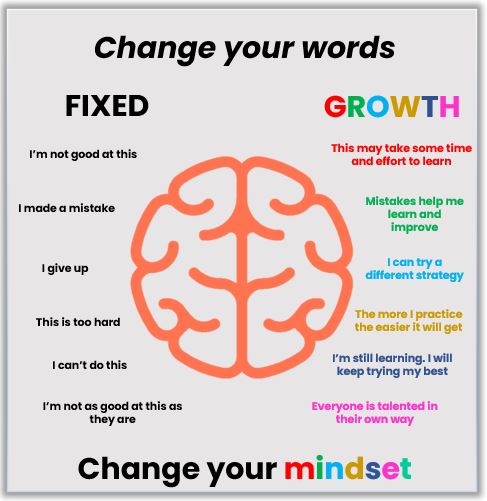
We all have self-beliefs or self-thoughts that may be positive or negative about our own abilities and potential. These beliefs are part of our mindset which shape our lives, by what we experience. A ‘growth mindset’ is when you believe you can always improve by putting in effort and using the right strategies. Developing a ‘growth mindset’ can help you in situations you may experience with your special person and to achieve your goals, whether they relate to you, your family, your schooling or your future. When faced with an experience, consider how you can have a growth mindset to help you through it.
What have other teens gone through?
Some teens feel scared, lonely and sad, others feel closer to their family.
There are stories from teens who have been where you are on Brain Connect. Click here or ‘Personal Stories’ below to watch and find out more.