Assault
Fast facts
What type of brain injury is caused by an assault?
- The intentional act that causes physical harm or fear of harm to another person
- Can result in both physical and psychological injuries
- Immediate medical and psychological support is crucial for recovery
What happens to the brain in an assault?
Assault involves physical attacks, threats, or any behaviour that makes someone feel unsafe. Assaults can occur in various contexts, including social situations, domestic violence, street altercations, and workplace incidents. During an assault, the brain can sustain various types of injuries, depending on the nature and severity of the impact:
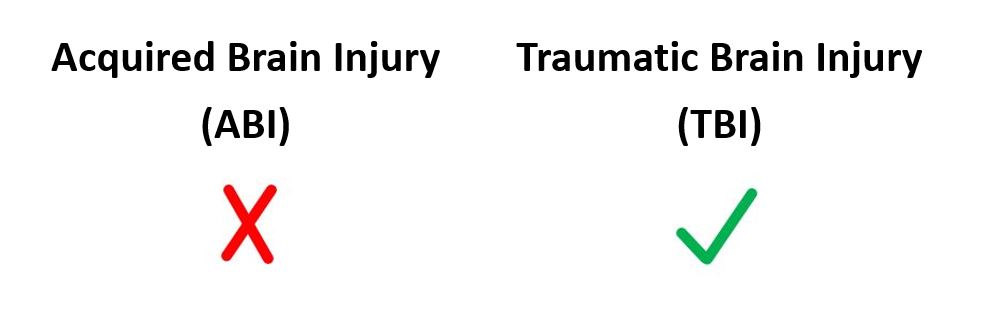
- Traumatic Brain Injury (TBI): A TBI can result in bruising, torn tissues, bleeding, and other physical damage to the brain
- Contusions and hematomas: Direct impact can lead to brain contusions (bruises) and hematomas (blood clots), which can increase pressure within the skull and cause further damage
- Diffuse Axonal Injury (DAI): Rapid acceleration or deceleration forces, such as those experienced during an assault, can cause widespread damage to brain cells by stretching and tearing axons (nerve fibres)
- Secondary injuries: Following the initial trauma, secondary injuries such as swelling (oedema), increased intracranial pressure, and reduced blood flow can exacerbate brain damage
Symptoms
Symptoms of assault can vary widely and may include:
- Physical injuries such as bruises, cuts, or fractures
- Memory loss
- Dizziness
- Headaches or migraines
- Anxiety or panic attacks
- Depression or mood swings
- Difficulty sleeping or nightmares
- Hypervigilance or heightened startle response
- Flashbacks or intrusive memories
- Changes in behaviour or mood
Risk Factors
Several factors can increase the risk of experiencing or perpetrating assault:
- Substance abuse, including alcohol and drugs
- History of violence or aggression
- Mental health issues, such as depression or personality disorders
- Socioeconomic stressors, such as unemployment or financial difficulties
- Exposure to violence in the home or community
- Lack of social support or isolation
Complications
Assault can lead to serious complications, including:
- Increased risk of substance abuse
- Traumatic brain injuries (TBIs)
- Post-traumatic stress disorder (PTSD)
- Chronic pain or physical disabilities
- Long-term psychological effects, such as anxiety and depression
- Social withdrawal or relationship difficulties
Testing and Treatment
Diagnosis and treatment of assault-related injuries typically involve several steps:
- Physical examination: To assess and document injuries
- Imaging tests: X-rays, CT scans, or MRIs to detect internal injuries or fractures
- Psychological assessment: To evaluate mental health and identify symptoms of PTSD or depression
Treatment options depend on the severity and type of injuries:
- Support services: Access to social services, legal assistance, and support groups
- Medical care: For physical injuries, including wound care, pain management, and surgery if necessary
- Psychological support: Counselling or therapy to address emotional and mental health issues
- Medications: To manage symptoms such as pain, anxiety, or depression.