Motor Vehicle Accident (MVA)
Fast facts
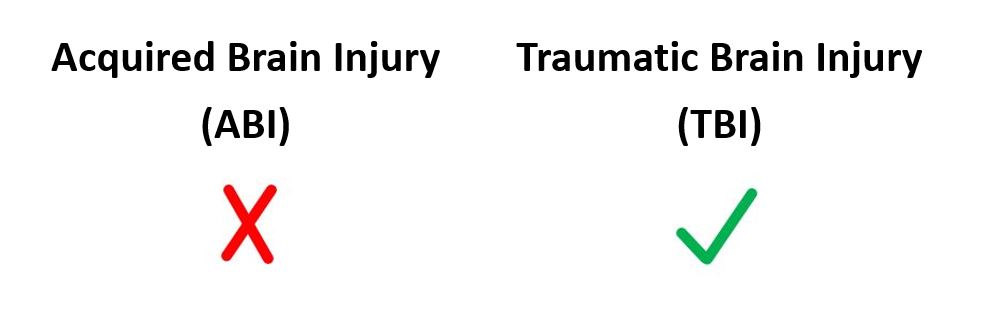
What type of brain injury is caused by a MVA?
- Motor vehicle accidents are a leading cause of injury and death worldwide
- Traumatic brain injuries can vary from mild concussion to severe brain damage
- Immediate medical attention is crucial to address injuries and prevent complications
What happens to the brain in a MVA?
A motor vehicle accident occurs when a vehicle collides with another vehicle, a stationary object, a pedestrian, or an animal. Factors such as road conditions, driver behaviour, and vehicle maintenance can all contribute to the likelihood of an accident. During an MVA, the brain can sustain various types of injuries due to the sudden impact and forces involved:
- Traumatic Brain Injury (TBI): This can result in bruising, torn tissues, bleeding, and other physical damage to the brain
- Contusions and hematomas: Direct impact can lead to brain contusions (bruises) and hematomas (blood clots), which can increase pressure within the skull and cause further damage
- Diffuse Axonal Injury (DAI): Rapid acceleration or deceleration forces, such as those experienced during an MVA, can cause widespread damage to brain cells by stretching and tearing axons (nerve fibres)
- Secondary injuries: Following the initial trauma, secondary injuries such as swelling (oedema), increased intracranial pressure, and reduced blood flow can exacerbate brain damage
Symptoms
Symptoms following a motor vehicle accident can vary widely and may include:
- Headaches
- Confusion or disorientation
- Loss of consciousness
- Nausea or vomiting
- Dizziness or balance problems
- Sensory issues, such as blurred vision or ringing in the ears
- Cognitive or memory problems
- Behavioural changes
Risk Factors
Several factors can increase the risk of sustaining a TBI:
- Not wearing a seatbelt
- High-speed collisions
- Driving under the influence of alcohol or drugs
- Distracted driving (e.g. using a smartphone)
- Poor weather conditions
- Lack of airbags or other safety features
Complications
TBI’s can lead to serious complications including:
- Permanent brain damage
- Cognitive impairments, such as memory loss or difficulty concentrating
- Motor skill deficits
- Personality changes
- Seizures
- Coma or brain death
Testing and Treatment
Diagnosis and treatment typically involves several steps:
- Neurological exam: to assess brain function and identify any deficits
- Imaging tests: MRI or CT scans to detect brain injuries
- Cognitive tests: to evaluate memory, attention, and problem-solving skills
Treatment options depend on the severity of injury:
- Observation and rest: for mild TBI’s, rest and monitoring are often sufficient
- Medications: to manage symptoms such as pain, seizures or swelling
- Surgery: in severe cases, to remove blood clots or repair skull fractures
- Rehabilitation: physical, occupational, and speech therapy to help regain lost functions