Concussion
Fast facts
What type of brain injury is a concussion?
- A concussion is caused by a blow to the head or a sudden jolt
- Symptoms can be immediate or delayed and may last days, weeks or longer
- Prompt medical evaluation is essential to manage symptoms and prevent complications
What happens to the brain in a concussion?
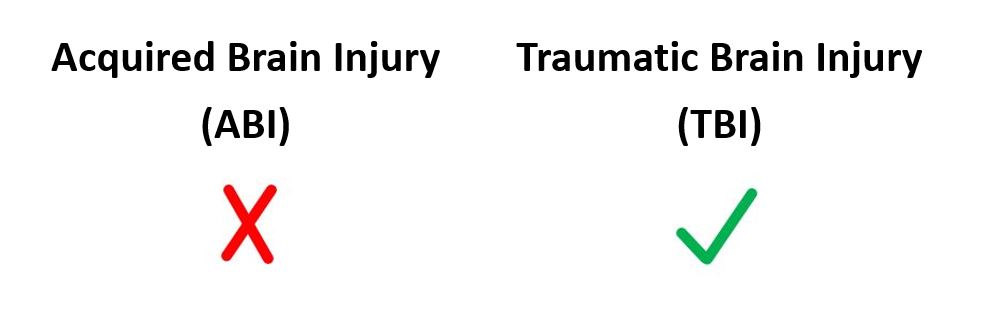
A concussion is a type of TBI that occurs when a blow to the head or sudden jolt causes the brain to move rapidly within the skull. This movement can stretch and damage brain cells, leading to temporary changes in brain function. Concussions are common in sports, falls, and motor vehicle accidents. During a concussion, the brain undergoes several changes due to the impact:
- Brain movement: The sudden force causes the brain to move rapidly within the skull, leading to a bouncing or twisting motion. This movement can stretch and damage brain cells and structures
- Chemical changes: The impact can cause chemical changes in the brain, disrupting normal brain function
- Cellular damage: The stretching and twisting of brain cells can lead to temporary or permanent damage, affecting the brain’s ability to communicate effectively
- Inflammation and swelling: The injury can cause inflammation and swelling, which can increase pressure within the skull and exacerbate symptoms
Symptoms
Symptoms can vary widely and may include:
- Headache or a feeling of pressure in the head
- Temporary loss of consciousness
- Confusion or feeling as if in a fog
- Memory loss surrounding the traumatic event
- Dizziness or “seeing stars”
- Ringing in the ears
- Nausea or vomiting
- Slurred speech
- Delayed response to questions
- Fatigue or drowsiness
Risk Factors
Several factors can increase the risk of sustaining a concussion:
- Participating in high-risk sports such as football, hockey, soccer or boxing
- Not using proper safety equipment and supervision during sports
- Previous history of concussion
- Falls, especially in young children and older adults
- Motor vehicle accidents
Complications
Concussions can lead to serious complications, including:
- Post-concussion syndrome: Persistent symptoms such as headaches, dizziness, and cognitive difficulties
- Second impact syndrome: Experiencing a second concussion before the first one has healed, leading to severe brain swelling
- Cumulative effects: Multiple concussions over time can result in long-term cognitive impairment
- Post-traumatic headaches and vertigo
Testing and Treatment
Diagnosis and treatment of concussions typically involve several steps:
- Neurological exam: To assess vision, hearing, balance, coordination, and reflexes
- Cognitive testing: To evaluate memory, concentration, and problem-solving skills
- Imaging tests: MRI or CT scans to detect brain injuries if symptoms are severe
Treatment focuses on rest and symptom management:
- Gradual return to activities: Slowly resuming normal activities as symptoms improve
- Physical and mental rest: Limiting activities that require concentration and physical exertion
- Medications: To manage symptoms such as pain and nausea