Hypoxia
Fast facts
What type of brain injury is hypoxia?
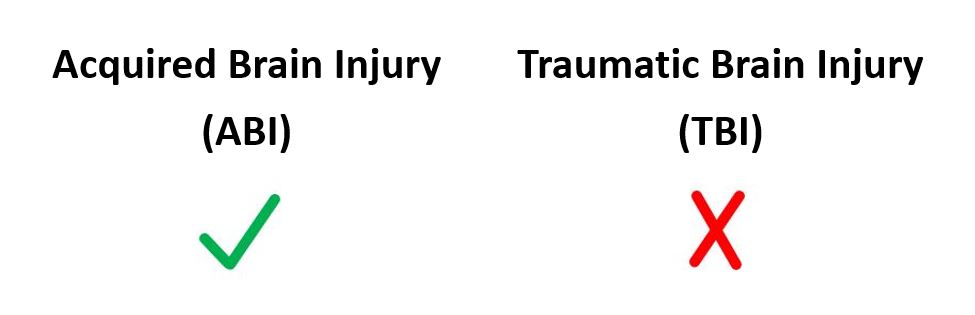
- Hypoxia occurs when the brain doesn’t receive enough oxygen
- It can result from various causes, including cardiac arrest, stroke and suffocation
- Immediate medical intervention is crucial to prevent severe brain damage or death
What is hypoxia?
Brain hypoxia is a condition where the brain is deprived of adequate oxygen, despite sufficient blood flow. This can happen due to various reasons, such as drowning, choking, cardiac arrest, or severe asthma attacks. The brain cells are highly sensitive to oxygen deprivation and can begin to die within minutes, leading to significant neurological damage.
Symptoms
Symptoms of brain hypoxia range from mild to severe and may include:
- Confusion or disorientation
- Difficulty speaking or understanding speech
- Seizures
- Loss of consciousness
- Cyanosis (bluish skin, lips or nails)
- Dizziness or lightheadedness
- Rapid, shallow breathing
Risk Factors
Several factors can increase the risk of brain hypoxia:
- Heart conditions, such as cardiac arrest or arrhythmias
- Respiratory issues, including severe asthma or COPD
- High altitudes
- Exposure to carbon monoxide or other toxins
- Traumatic brain injuries
- Strangulation or suffocation
Complications
Brain hypoxia can lead to serious complications, including:
- Permanent brain damage
- Cognitive impairments, such as memory loss or difficulty concentrating
- Motor skill deficits
- Personality changes
- Seizures
- Coma or brain death
Testing and Treatment
Diagnosis of brain hypoxia involves several tests to assess oxygen levels and brain function.
- Pulse oximetry: Measures oxygen saturation in the blood.
- Arterial Blood Gas (ABG) Test: Analyzes oxygen and carbon dioxide levels in the blood.
- Imaging tests: MRI or CT scans to detect brain damage.
- EEG: Monitors electrical activity in the brain.
Treatment focuses on restoring oxygen supply and addressing the underlying cause:
- Oxygen therapy: Administering oxygen through a mask or nasal prongs.
- Mechanical ventilation: In severe cases, to assist with breathing.
- Medications: To treat underlying conditions or reduce brain swelling.
- Supportive care: Including fluids, blood pressure support, and seizure management.
Prompt treatment is essential to minimize brain damage and improve recovery outcomes. If you suspect someone is experiencing brain hypoxia, seek emergency medical help immediately.