Fall
Fast facts
What type of brain injury occurs after a fall?
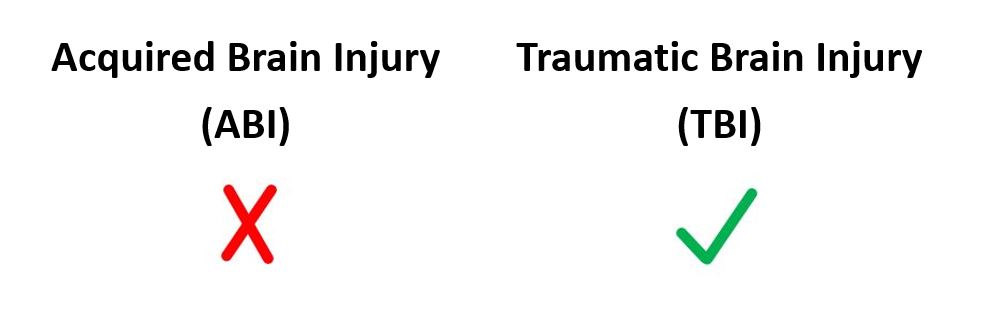
- Falls are a leading cause of TBI and other serious injuries
- Older adults are particularly at risk for severe complications from falls
- Immediate medical attention is crucial to prevent long-term damage
What happens to the brain in a fall?
A fall occurs when a person unintentionally comes to rest on the ground or a lower level. Falls can happen anywhere and to anyone, but certain factors like age, health conditions, and environmental hazards can increase the risk. Falls can lead to various injuries including TBI.
Symptoms
Symptoms of TBI and other injuries can vary widely and may include:
- Headaches
- Confusion or disorientation
- Loss of consciousness
- Nausea or vomiting
- Dizziness or balance problems
- Sensory issues, such as blurred vision or ringing in the ears
- Cognitive or memory problems
- Behavioural changes
Risk Factors
Several factors can increase the risk of TBI and other injuries from a fall including:
- Advanced age
- Muscle weakness or balance problems
- Poor vision
- Medications that affect balance
- Environmental hazards, such as heights or poor lighting
- Chronic conditions like arthritis or diabetes
Complications
Falls can lead to serious complications including:
- Permanent brain damage
- Cognitive impairments, such as memory loss or difficulty concentrating
- Motor skill deficits
- Personality changes
- Seizures
- Chronic pain
Testing and Treatment
Diagnosis and treatment of injuries from falls typically involve several steps:
- Neurological exam: To assess brain function and identify any deficits.
- Imaging tests: MRI or CT scans to detect brain injuries or fractures.
- Cognitive tests: To evaluate memory, attention, and problem-solving skills.
Treatment options depend on the severity of the injuries:
- Rehabilitation: Physical, occupational, and speech therapy to help regain lost functions
- Observation and rest: For mild TBIs, rest and monitoring are often sufficient
- Medications: To manage symptoms such as pain, seizures, or swelling
- Surgery: In severe cases, to remove blood clots or repair fractures.