Facing a special person’s brain injury can be overwhelming, but understanding the hospital journey can help prepare you for what you may see and the various stages of care, ensuring you can effectively support your special person and navigate the hospital experience.
For information on how to support children with visiting hospital or discussing brain injury, go here.
Acute Hospital
The Emergency Department (ED, or in some countries, the Emergency Room, or ER) is sometimes the first point of contact with medical needs. In the ED, your special person will undergo immediate assessment and stabilisation. Here’s what happens:
Triage: Upon arrival, patients are assessed by a triage nurse who will determine the severity of their condition and prioritise treatment based on urgency. This may occur for mild-brain injuries, such as concussion. If the brain injury is more serious, people can skip this area and go straight through to trauma.
Emergency Care: The focus will be on stabilising their condition, which may involve surgery, medication, or other urgent interventions.
Initial assessment: Medical staff conduct thorough examinations which include taking vital signs, performing physical exams, and ordering diagnostic test.
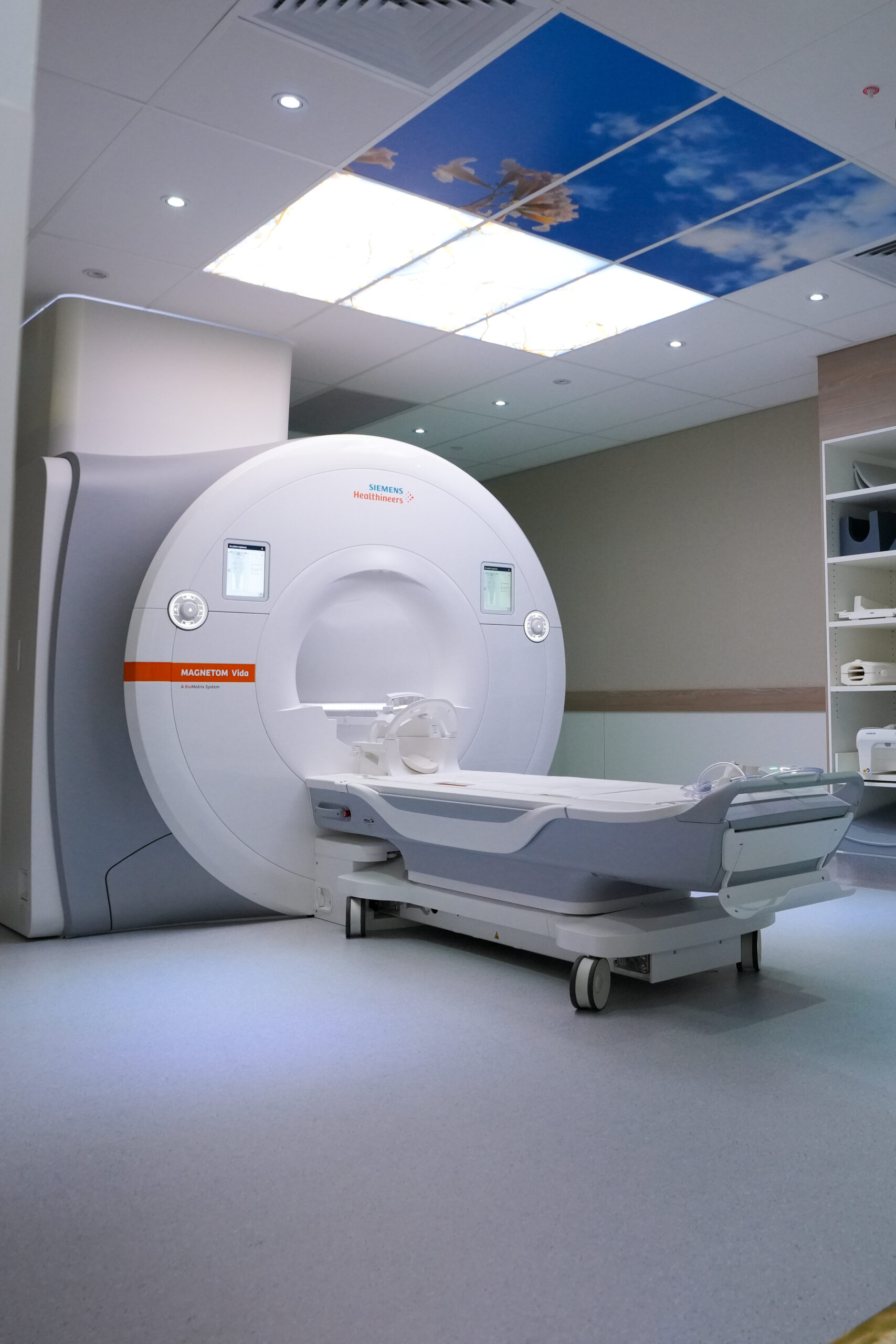
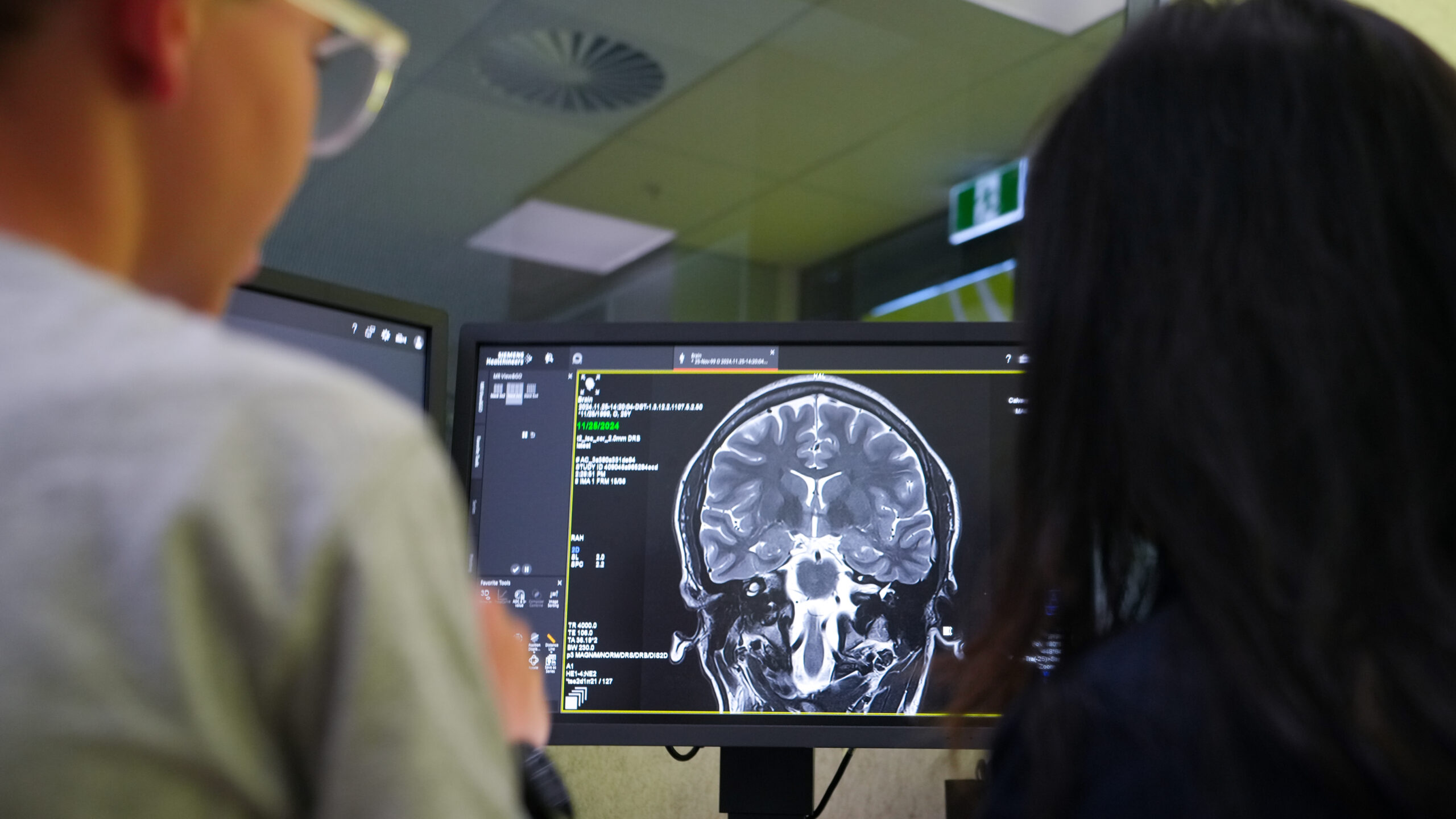
Diagnostic Tests: Expect a range of tests, such as CT scans or MRIs, to evaluate the extent of the brain injury and guide treatment decisions.
Stabilisation: For critical conditions, immediate interventions are performed to stabilise them.
Decision for admission or discharge: Based on your special person’s condition, they may be admitted to the hospital for further care, or discharged with instructions for follow-up care.
What to expect in the Emergency Department:
Busy environment: The ED is often bustling with activity, as staff attend to multiple patients with varying degrees of urgency.
Waiting times: Depending on the severity of the brain injury and the number of patients, there may be long waiting times for non-critical cases.
Communication: The medical team will provide updates on your special person’s condition, treatment plan, and any immediate concerns.
The ICU is a specialised unit for people who require intensive monitoring and advanced medical care. Here’s what happens:
Continuous monitoring: Your special person will be closely monitored with advanced equipment that tracks their vital signs, such as heart rate, blood pressure and oxygen levels.
Specialised care: The ICU team includes a ray of health professionals like doctors, nurses and other healthcare professionals trained in critical care. They provide treatments such as mechanical ventilation (breathing support that uses a machine), intravenous medications, and dialysis.
Frequent assessment: Your special person will be regularly assessed to monitor their progress and adjust treatment plans as needed.
Family involvement: Families are encouraged to participate in care discussions, decisions, and visit.
What to expect in the ICU:
Hi-tech environment: The ICU is equipped with sophisticated medical technology, which can be intimidating but essential for providing the best care.
Limited access: To ensure your special person’s safety and minimise risk of infections, access to the ICU may be restricted and visitors may need to follow specific protocols. Check with your local hospital.
Emotional support: The ICU experience can be emotionally challenging. Hospital staff, including social workers and chaplains are available to provide support and resources.
Wards are where your special person will go after they no longer need intensive care, but still require medical attention. Here’s what happens:
Ongoing treatment: Your special person will continue to receive medical care, including medications, therapies and routine monitoring.
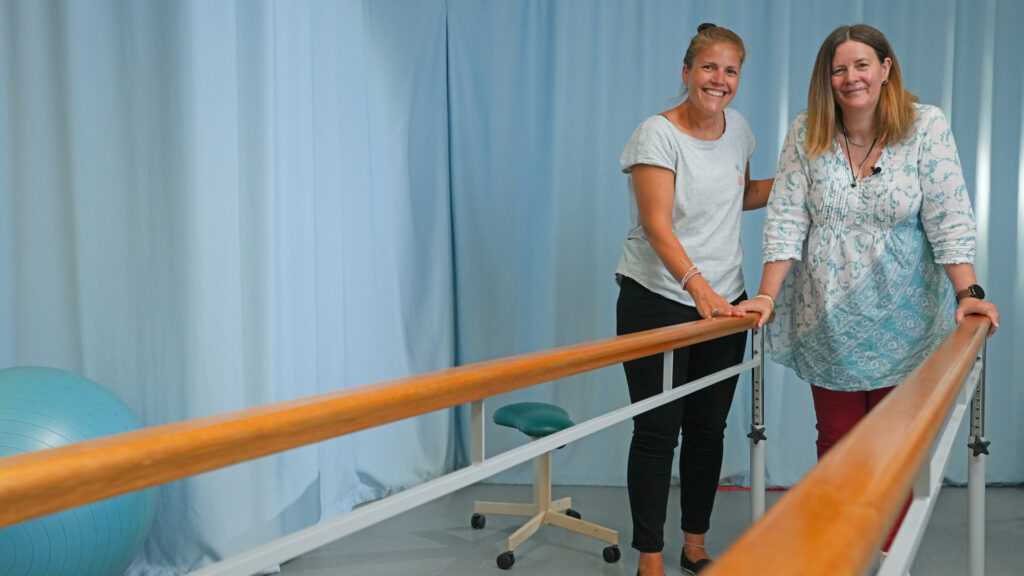
Rehabilitation: Depending on the brain injury, rehabilitation services such as physiotherapy, occupational therapy and speech therapy may be provided.
Daily routines: Your special person may follow a daily routine that includes meals, medication administration, and scheduled activities and therapies.
Discharge planning: The healthcare team working with your special person will work on a discharge plan, which may include instructions for home care, follow up appointments, any necessary equipment or services, such as rehabilitation.
What to expect on wards:
Shared rooms: Depending on your local hospital, your special person may have to share a room with others, although private rooms are sometimes available.
Regular visits: Doctors and nurses make regular rounds to check on your special person and update treatment plans.
Family involvement: Families are encouraged to visit and participate in care planning. Check with your local hospital about visiting hours.
The next stage of Rehabilitation
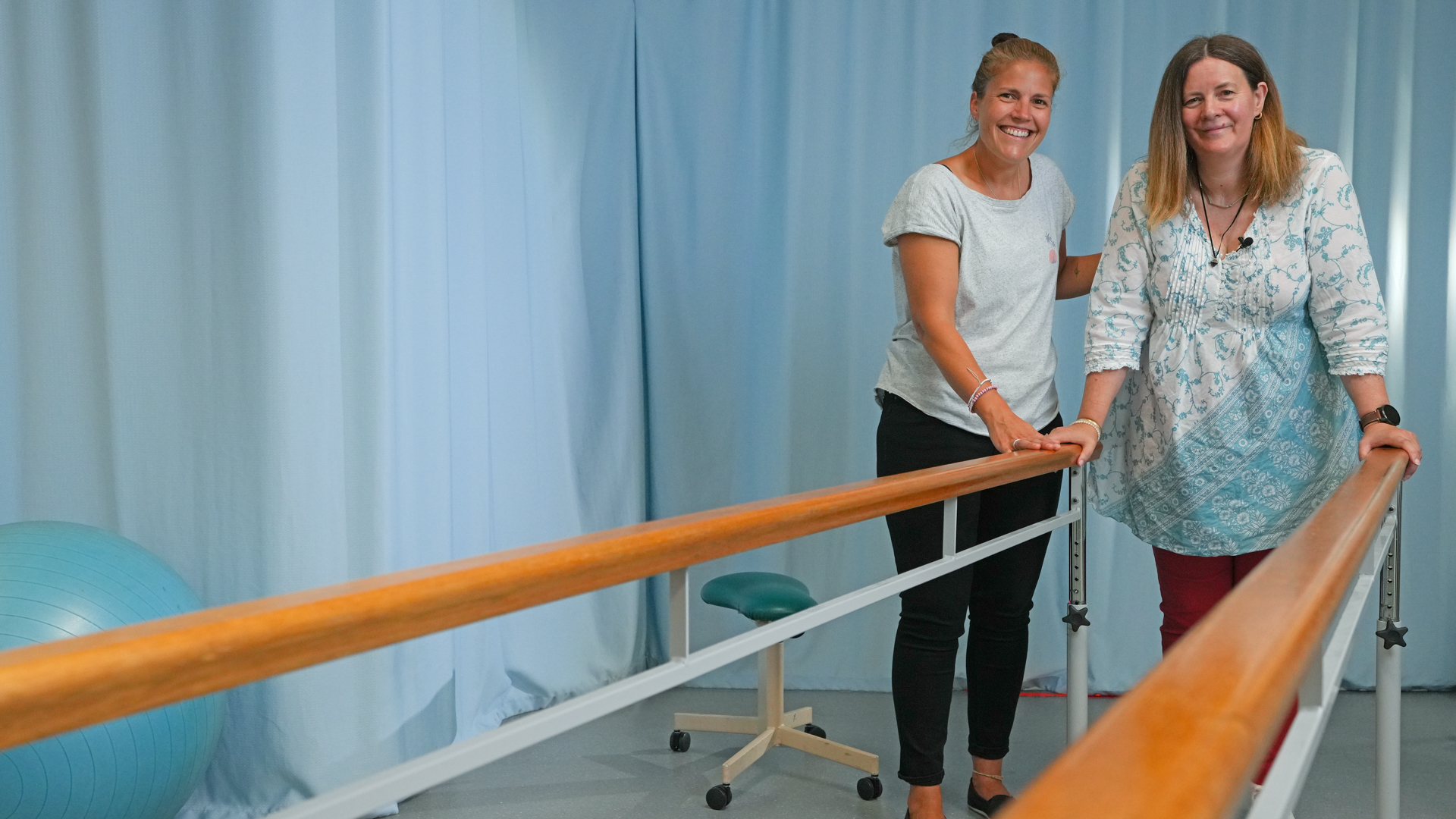
Rehabilitation after a brain injury is a crucial phase in the recovery process, aimed at helping your special person to regain as much function and independence as possible. This comprehensive approach involves an inter-disciplinary allied health team, who work together with medical and nursing to address the diverse challenges that may arise.
Rehabilitation focuses on improving physical abilities, such as mobility and coordination, while also targeting cognitive functions like memory, attention, and problem-solving skills. Emotional and psychological support is also provided to help your special person cope with the emotional impact of the injury. The rehabilitation process is tailored to each individual’s needs and can take place in various settings, including inpatient facilities, outpatient clinics, or at home, depending on the severity of the injury and the stage of recovery.
Rehabilitation often begins after your special person emerges out of Post Traumatic Amnesia (also see here for more information). One of the basic requirements of learning new things, is the ability to remember information from one day to the next. So, when your special person becomes more orientated to their surroundings, who they are, the date, day and location, active therapy can begin.
The rehabilitation team
Rehabilitation specialists, registrars and medical officers are responsible for the medical care of your special person. The doctor’s main roles in rehabilitation are:
Liaising with consultants in other medical specialties
Medical management
Reviewing progress
Educating patients and families
Nurses provide around the clock care, support and expertise to your special person. Their main roles in rehabilitation are:
Emotional support
Monitoring vital signs to prevent complications
General nursing care
Assistance with transfers and mobility
Personal care such as showering and grooming
Toileting
Eating and nutrition
A PT specialises in improving movement, function and overall physical wellbeing through targeted exercises, manual therapy and education. Their main roles in rehabilitation are:
Hydrotherapy
Individual and group therapies
Assessment of indoor and outdoor mobility
Assess balance problems
Physical conditioning
DischargePlanning
An OT helps to regain, develop or maintain the skills needed for daily living and working, focusing on enabling your special person to perform everyday activities. Their main roles in rehabilitation are:
Driving assessment and retraining
Assessing independence in every day tasks
Teaching techniques to maximise independence
Using activities to treat physical and thinking challenges
Home assessments
DischargePlanning
Splinting
Scripting of aids or wheelchairs
Return to work or study
A SP assesses and treats communication and swallowing disorders, helping your special person to improve their speech, language and cognitive-communication skills. Their main roles in rehabilitation are:
Assessing and treating communication problems
Management of swallowing problems
DischargePlanning
SW assist individuals, families and children in navigating and overcoming social, emotional and economic challenges by providing support, resources, and Advocacy to improve overall well-being and quality of life. Their main roles in rehabilitation are:
Emotional support and counselling
Practical assistance
Connection to services and funding bodies
DischargePlanning
A psychologist helps to understand, manage and overcome emotional, behavioural and cognitive challenges through assessment, therapy and counselling. Their main roles in rehabilitation are:
Counselling and support
Assessing cognitive skills
Assessing and helping manage behavioural problems and emotional changes
Dietitians work with food services to provide food and fluids suited to your special person’s specific nutritional requirements. Their main roles in rehabilitation are:
Diets for people with swallowing difficulties
Improving nutritional status
Neuropsychologists specialise in understanding the relationship between brain function and behaviour, using assessments to diagnose cognitive and emotional disorders resulting from brain injury.
Family involvement in rehabilitation
Family involvement is a vital component of the rehabilitation process, offering essential support and enhancing the overall recovery experience. Engaging family members in rehabilitation helps create a supportive environment that fosters your special person’s progress and well-being. Families can contribute in many ways:
Emotional support: You can provide emotional encouragement and stability, helping your special person to cope with the psychological challenges of rehabilitation. This support can boost morale, reduce feelings of isolation, and foster a positive attitude towards recovery.
Understanding and education: You can learn about your special person’s brain injury, treatment plan, and rehabilitation goals, which equips you to better assist with daily care and therapeutic exercises. This knowledge helps ensure consistency and adherence to the prescribed rehabilitation activities.
Practical assistance: You can play a hands-on role in helping with tasks, providing reminders about medications, and assisting with activities of daily living (seek guidance from nursing or the therapy team). Your involvement can make the rehabilitation process more manageable and effective. Involvement also assists in providing you with carer training, which may be relevant to transfer into your home once your special person is discharged.
Advocacy: You can act as advocates for your special person, communicating their needs and preferences to the team, and ensuring that the rehabilitation plan is tailored to their unique situation.
Motivation and encouragement: Regular interaction with you can motivate your special person to engage more actively in their rehabilitation, setting goals and celebrating milestones together.
Help rehabilitation team to know your special person: You can help the team to understand what your special person was like before their brain injury, such as their personality, functioning, skills and interests. The team uses this information to understand the level of change which helps to set rehabilitation goals with your special person, and plan their treatment.
In rehabilitation, you may be involved in numerous group activities:
Education and support groups are opportunity for all families to meet to learn about brain injury, the rehabilitation process and to link with other families on the ward, to share experiences and connect. Depending on your location and hospital, education groups may be run weekly or fortnightly and across 4 to 6 weeks, repeating to allow inclusion of any new admissions or families.
Goal meetings are regular and collaborate, where the rehabilitation team, your special person and family come together to set, review and adjust goals for their recovery. During these meetings, the team provides information on progress, adapt strategies as needed, and maintain motivation by celebrating achievements and addressing any challenges that arise. Goals are designed with your special person to be meaningful, realistic, measurable and transferable, guiding the rehabilitation and treatment plan and ensuring all parties are aligned in their expectations. Families often find regular meetings and the sharing of information reduces some of the stress and feelings of uncertainty.
Driving
By law, medical professionals must give information and documentation on the effects of a brain injury to the appropriate government body. For further information on return to driving, please click here.