Long term
The journey after a brain injury extends well beyond the initial recovery phase, encompassing ongoing challenges and adaptations as you, your family and your special person adjust to new realities. Understanding the long-term aspects of living with a brain injury can help you prepare for the future and ensure that you and your special person receives the support they need.
Brain injuries can have lasting impacts that affect various aspects of life such as cognition (thinking), physical and emotional changes.
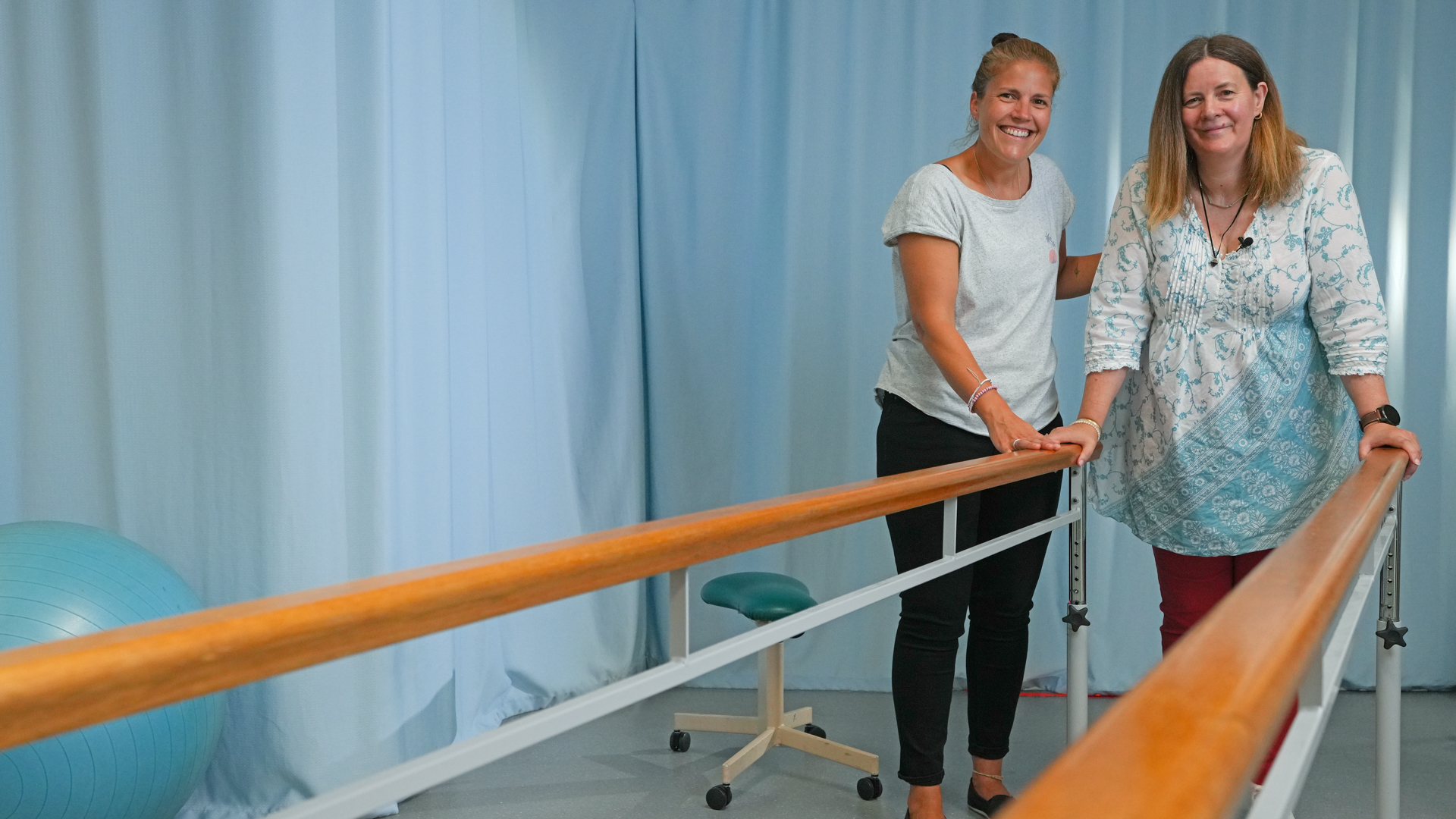
Rehabilitation doesn’t end with the completion of initial therapy. Long-term rehabilitation aims to improve quality of life and functional independence.
After rehabilitation, the road to recovery continues in the community where therapies and meaningful activities, delivered in their own environment can improve recovery.
Long-term management of medical and health care involved coordinating care and addressing any ongoing health issues through regular check ups, medication management and specialist care such as neurologists, neuropsychologists or rehabilitation physicians.
Adapting to life after a brain injury often involves navigating daily life and independence through significant adjustments in routines and activities. Assistive technologies designed to support daily living can improve independence and ease daily tasks. Home modifications to the home environment can enhance safety and accessibility, such as installing grab bars or ramps.
Peer support within community-based programs helps promote social integration, coping and psychological functioning.
Building a support network is essential for long-term recovery and well-being which can include family and friends for emotional encouragement and practical assistance, support groups with other individuals with brain injuries and their families to gain valuable advice, share experiences and receive emotional support. Community resources such as counselling and recreational activities can contribute to overall quality of life.
Focus on wellbeing and quality of life by maintaining a positive outlook and focus is critical for long-term success. Seek mental health support to address emotional and psychological needs through therapy and counselling. Engage in regular physical activity, maintain a healthy diet and manage stress can contribute to overall health and recovery. Setting and pursuing personal goals, whether related to hobbies, relationships or new skills can provide motivation and a sense of purpose.
Return to driving
Regaining the ability to drive can be a significant milestone in a special persons recovery journey. A brain injury can impact on a persons ability to drive safely due to the cognitive, physical and emotional challenges they may experience. Here are some ways in which brain injuries can affect driving ability:
- Impaired concentration and attention: people who have sustained a brain injury may find it hard to maintain focus on the road, increasing the risk of accidents.
- Increased reaction time: slower cognitive processing can lead to delayed reactions in critical situations on the road.
- Memory challenges: difficulty remembering road rules, directions, or recognising familiar routes can compromise safety.
- Visual disturbances: vision problems including visual field loss, double vision or difficulty with smooth scanning can affect the ability to see or interpret road signs, other vehicles or pedestrians.
- Physical impairments: muscle weakness, balance issues, or coordination problems can make it challenging to control a vehicle effectively.
- Emotional and behavioural challenges: mood swings and emotional instability can lead to impulsive behaviour while driving, increasing the risk of poor choices when interacting with traffic or road rage.
- Seizures: brain injury can disrupt the normal electrical activity in the brain, leading to uncontrolled and sudden bursts of electrical energy, resulting in a seizure.
It is crucial for individuals who have experienced brain injuries, as well as their healthcare providers and loved ones, to understand the potential impact on driving ability. This can also assist with self-awareness and insight regarding capacity and impact on driving.
A healthcare provider is required to conduct an assessment on the persons capacity and fitness to return to driving. Some people get a conditional licence, meaning some restrictions may be added to their licence. For example, the time of day they can drive or the areas they can go. They may also be required to use specialise driving equipment or wear corrective lenses. For people with heavy vehicle licences, higher medical standards may need to be met due to the higher risk involved and bigger consequences if something goes wrong.
When returning to driving, it’s important to consider what makes them feel comfortable and safe. This may include starting with short trips, drives in familiar areas, or avoiding heavy traffic.
Vision standards
Effects of vision on driving
Good vision is critical for safe driving, encompassing aspects like visual clarity and peripheral vision. Impairments in these areas can hinder a driver’s ability to detect vehicles, pedestrians and warning signs promptly.
Visual acuity
Visual acuity measures how clearly a person can see, either with or without glasses or contact lenses. If someone doesn’t meet the required visual acuity standard during an initial assessment, they may need to see an optometrist or ophthalmologist for further evaluation.
Visual field
Visual fields refer to how much you can see to the sides while looking straight ahead. It’s crucial for safe driving. If the person has reduced visual fields due to eye problems or a brain injury, it can affect their ability to drive safely.
Peripheral vision helps to be aware of everything around the car and is especially important for tasks like merging into traffic and spotting objects to the sides. It is possible to drive with some visual field loss, however, there is a minimum visual field requirement before being considered suitable for driving. It is important if there is a visual field loss that the person has good cognitive capacity, good awareness of the loss and reliable scanning. To check visual fields, a confrontation test may be sufficient if there are no known issues. If there is a suspicion of a problem, a more precise perimetry test may be needed through an optometrist or ophthalmologist.
Diplopia
If the person experiences double vision, they are generally not considered fit to drive, expect for minor cases. If an occlusion (eye patch or occulated glass lenses) is used to manage diplopia, the person will likely need a break from driving to regain depth perception.
Process to return to driving
First, a medical clearance is required which may consist of the following options:
Option 1: Give clearance to resume driving a car and completion of the relevant medical certificates and forms
Option 2: Recommend a practical driving assessment through your relevant federal government department (i.e. Department of Infrastructure and Transport). If the person passes the assessment, they will regain their drivers licence. If they don’t, they may be able to re-sit it later
Option 3: Recommend the person participate in a driver-trained occupational therapist rehabilitation program which involves the following steps:
- Step 1: Referral to the program and completion of relevant medical clearance forms by a Doctor
- Step 2: Pre-driving screen with a driver trained occupational therapist (can take up to 2 hours). This is not a ‘pass’ or ‘fail’, it aims to identify any areas of concern before an on-road assessment.
- The person will be asked about their driving experience and medical history
- Undergo a visual/physical/cognitive screen
- Review of general road knowledge
- Step 3: On-road driving assessment with a driver trained occupational therapist, which may show that the person is ready to regain their licence, they may be ready for a practical driving assessment (per step 4 below), or participation in a driver rehabilitation program to improve skills and increase chances of success in a driver assessment (i.e. lessons may be needed), or the person is not ready to resume driving.
- Step 4: The occupational therapist, or Doctor, may recommend a practical driving test through a federal government department (i.e. Department of Infrastructure and Transport).
Other considerations can include a checklist of fundamental tasks such as the ability to enter and exit the driver’s seat, adjust the car seat for comfort and control, fasten seatbelts securely, grasp and hold the steering wheel effectively, operate indicator signals, stow and retrieve mobility aids as needed in the car, manage the process of refuelling the vehicle. These basic skills are crucial in ensuring the person’s safety and competence before embarking on a comprehensive fitness to drive assessment.
Return to work or study
Returning to work or study may require accommodations and support. It may be helpful to address these factors in advance or through vocational rehabilitation:
- A start day
- How to increase hours and days
- Limitations and restrictions
- Recommended accommodations
Before returning to work or study, the following should be considered and/or assessed:
- Comprehensive pre-injury history
- Current cognitive, physical, and psychological capacities
- Identify challenges to a successful return and appropriate interventions to minimise them
- Discuss needs with employers or educators
- Evaluation of environmental factors
If unable to return to paid employment, assistance to explore other ways to be productive and engage in meaningful activities that promote community integration, like volunteer work, should be explored.
Videos: Survivor reflections
Survivor reflections
Everything you may like to know…
Warm and caring reflections, offering new insights into survivor perspectives on life, happiness, family, and food!
In this video, Greg, Jo and Jim talk about:
- What happened
- Their time in hospital
- Initial impact on family
Length: 2 min 30 sec
In this video, Greg, Jo and Jim talk about:
- Life gets better
- Their family’s emotions
- The ‘unknown’ nature of their recovery
- Where’s the chocolate?!
Length: 1 min 30 sec
In this video, Greg, Jo and Jim talk about:
- Relationship with their children
- Being a ‘better person’ now
- Happy mindset
- Second change
- Post-traumatic growth
- Improved relationships
Length: 2 min 48 sec
In this video, Greg, Jo and Jim talk about:
- Unexpected nature of injury
- ‘Why happening to me?’ and not my friends
- They do their best
- Fear of the unknown
- Parental stress
- Increased yelling at home
- Time heals wounds
- Talk and get help
Length: 5 min
In this video, Greg, Jo and Jim talk about:
- Kids ‘stand up’ in adversity
- Keeping room tidy
- Help around the house
- Bringing cheeseburgers
- Taking me out so we can talk
Length: 1 min 45 sec
In this video, Greg, Jo and Jim talk about:
- Swapping hospital meals
- Looking out for me
- Support makes you closer
- Saying ‘I love you’ a lot
Length: 2 min 30 sec
In this video, Greg, Jo and Jim talk about:
- Hospital helped me get better, but family kept me going
- Family makes you fight harder
- Personal messages
Length: 1 min 30 sec
In this video, Greg, Jo and Jim talk about:
- Leaving hospital
- Frustration being at home
- Family tension due to daily activities
- Be patient and kind
- You’ll see changes and improvements
Length: 2 min
In this video, Greg, Jo and Jim talk about:
- Don’t expect ‘normal’ straight away
- Don’t be embarrassed of your parent
- Parent may say silly things
- Give parent gentle feedback
- You can’t control what is happening, you can control your behaviour
- Give your family time
Length: 1 min 30 sec
In this video, Greg, Jo and Jim talk about:
- Using everyday language
- Give basic information
- Let kids ask questions
- Don’t hurry, especially kids
Length: 3 min 30 sec
In this video, Greg, Jo and Jim talk about:
- We may curse you
- You’re amazing
- Structure is good
Length: 1 min 30 sec