Encephalitis
Fast facts
What type of brain injury is encephalitis?
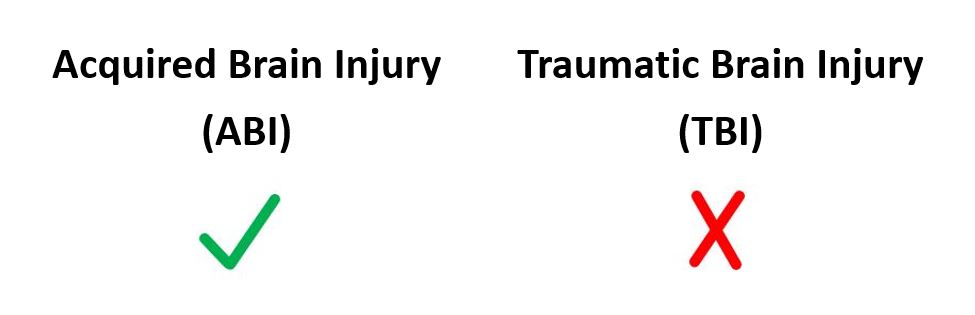
- Encephalitis is inflammation of the brain, often caused by viral infections
- Symptoms can range from mild flu-like signs to severe neurological issues
- Early diagnosis and treatment are critical to prevent serious complications
What is encephalitis?
Encephalitis is a condition characterised by inflammation of the brain. This inflammation can be caused by infections, such as a virus, bacteria or fungi, or by the immune system mistakenly attacking the brain. It can lead to swelling and damage to brain tissues, potentially resulting in severe neurological symptoms.
Symptoms
Symptoms of encephalitis can vary widely but often include:
- Fever
- Headache
- Confusion or agitation
- Seizures
- Muscle weakness
- Loss of consciousness
- Stiff neck
- Sensory changes, such as vision or hearing challenges
Risk Factors
Several factors can increase the risk of developing encephalitis:
- Age: young children and older adults are more susceptible
- Weakened immune system: conditions like HIV/AIDS or treatments like chemotherapy can increase risk
Complications
Encephalitis can lead to serious complications, including:
- Persistent fatigue
- Memory problems
- Personality changes
- Physical impairments, such as muscle weakness or coordination issues
- Seizures
- Long-term neurological damage
- In severe cases, it can be life-threatening
Testing and Treatment
Diagnosis typically involves several tests:
- Brain imaging: MRI or CT scan to detect brain inflammation
- Spinal tap: to analyse cerebrospinal fluid for signs of infection or inflammation
- Blood tests: to identify infectious agents or antibodies
- EEG: to monitor brain activity and detect abnormalities
Treatment depends on the cause and severity of the condition.
- Antiviral medications: for viral encephalitis
- Anti-inflammatory drugs: to reduce brain swelling
- Supportive care: including bed rest, fluids and pain relievers
- Immunotherapy: for autoimmune encephalitis, to suppress the immune response