Stroke
Fast facts
What type of brain injury is a stroke?
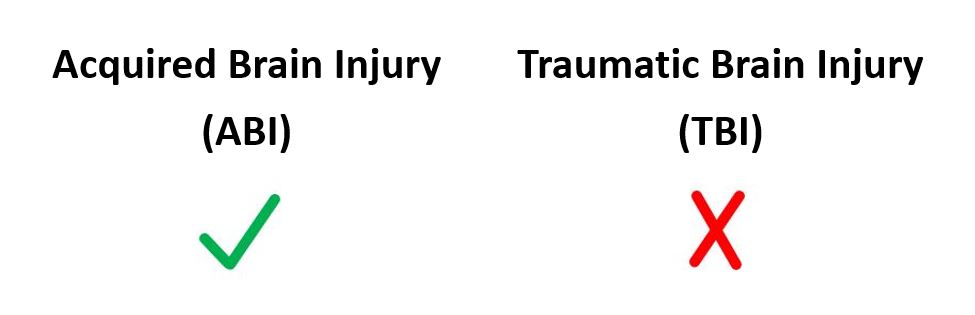
- A stroke is when blood supply to the brain is interrupted or reduced
- There are 2 main types of stroke (ischemic and haemorrhagic)
- Transient Ischemic Attack (TIA) is often called a ‘mini-stroke’ due to temporary interruption of blood flow
- Strokes can change how parts of brains work
- A stroke can make people have trouble talking, moving or understanding things
What is a stroke?
Ischemic stroke = the most common type, caused by a blockage in an artery supplying blood to the brain. This blockage may be due to a blood clot or fatty deposits.
Haemorrhagic stroke = occurs when a blood vessel in the brain bursts, leading to bleeding in or around the brain. This can be caused by high blood pressure, aneurysm, or other vessel abnormalities.
Transient Ischemic Attack (TIA) = often called a ‘mini-stroke’, a TIA occurs when blood flow to the brain is temporarily interrupted. TIAs don’t often cause permanent brain damage but are a warning sign for a possible future stroke.
Ischemic Stroke
An ischemic stroke is said like this “ih-SKEE-mik”. Because the blood vessel is blocked, blood cannot flow properly to the different parts of the brain. When blood cannot flow, brain cells begin to die.
Haemorrhagic Stroke
A haemorrhagic stroke is said like this “heh-meh-RA-jik”. This type of stroke is also called a brain haemorrhage. Because the blood vessel leaks or breaks, blood goes out of the vessel and into or around the brain itself where it should not be. Having blood where it should not be puts pressure on the brain, damaging it.
Causes and Risk Factors
Several factors can increase the risk of having a stroke, including:
- High blood pressure (Hypertension)
- Heart disease or irregular heart rhythms (such as atrial fibrillation)
- Diabetes
- Smoking
- Excessive alcohol use
- Obesity or lack of physical activity
- Family history of stroke or genetic factors
- High cholesterol
- Age (stroke risk increases with age)
- Previous stroke or TIA
Diagnosis of Stroke
When a stroke is suspected, immediate medical assessment is necessary. Diagnosis often involves:
- Physical Exam: To assess neurological function and symptoms.
- CT Scan or MRI: To determine the type of stroke (ischemic or hemorrhagic) and locate the affected brain area.
- Angiogram: To look for blockages or abnormalities in blood vessels.
Treatment for Stroke
The treatment for stroke depends on the type, severity, and timing of the stroke. Common treatment options include:
- Ischemic stroke: The primary treatment is to restore blood flow to the brain. This can involve clot-busting medications, or in some cases, surgical removal of the clot or angioplasty.
- Hemorrhagic stroke: Treatment focuses on controlling bleeding and reducing pressure on the brain. This may involve surgery, blood pressure management, or medications to prevent further bleeding.
- Rehabilitation: After a stroke, patients often require rehabilitation to regain lost skills and improve functionality. This can include physical therapy, speech therapy, and occupational therapy.
Stroke Prevention
While not all strokes are preventable, many risk factors can be managed to reduce the likelihood of a stroke. Key prevention strategies include:
- Managing high blood pressure through diet, exercise, and medication.
- Maintaining a healthy diet rich in fruits, vegetables, and whole grains.
- Getting regular exercise to improve cardiovascular health.
- Avoiding smoking and excessive alcohol consumption.
- Controlling diabetes and managing cholesterol levels.
- Regular health check-ups to monitor risk factors.
Recovery and Support
Recovery from a stroke varies depending on its severity and the promptness of treatment. Some individuals may recover fully, while others may experience long-term disabilities. Stroke rehabilitation focuses on regaining as much independence as possible through physical, occupational, and speech therapy. Support for stroke survivors also includes:
- Physical therapy: To improve mobility and strength.
- Speech therapy: To address language, speech, and swallowing difficulties.
- Occupational therapy: To help regain daily living skills.
- Emotional support: Many stroke survivors benefit from counseling or support groups to cope with the emotional impact of their recovery.
Living with Stroke
Stroke recovery is a gradual process, and ongoing support is crucial for survivors and their families. Many stroke survivors are able to return to a fulfilling life with the right therapy and support, although they may need to adjust to some lifestyle changes. It’s important to continue monitoring health, manage risk factors, and stay engaged in rehabilitation programs.