Changes
When someone has a brain injury, it can change the way they think, feel, or act. This can be really hard for them and for the people around them, like their family and friends. Because every person is different, no two brain injuries are exactly the same.
Changes in your special person
Can I see all the changes that can happen?
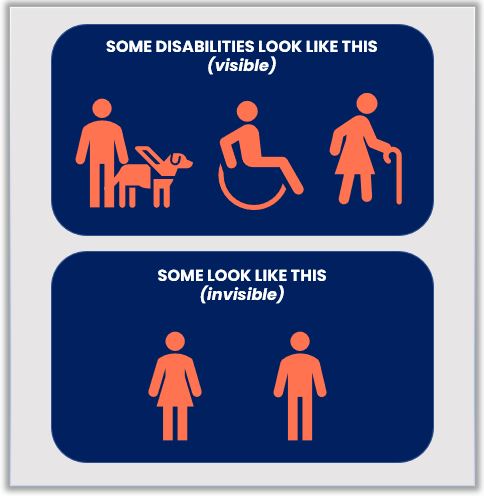
No, you will be able to see some of the changes when you look at the person, but many changes can’t be seen and are invisible.
When you hear the word ‘disability’, you might think of someone whose body works differently. You may see these people use a walking frame or wheelchair to help them get around. Usually we can see what parts of their body are hurt and what the person may need help with.
A lot of changes after a brain injury are invisible. The person may think, act and talk differently even when they look like they did before. Because of these changes, the person will need extra help to learn and do activities. This is called an invisible disability.
What changes can happen to my special person?
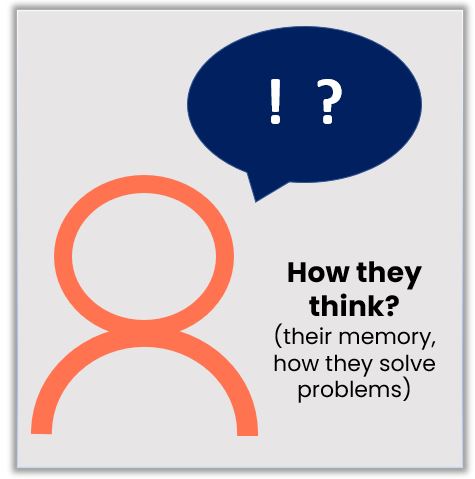
Changes to thinking can be:
- How they concentrate
- What they remember
- Finding it hard to plan things
- Taking more time to understand what’s been said
- Finding it hard to solve problems
- How often they repeat information
These are invisible changes
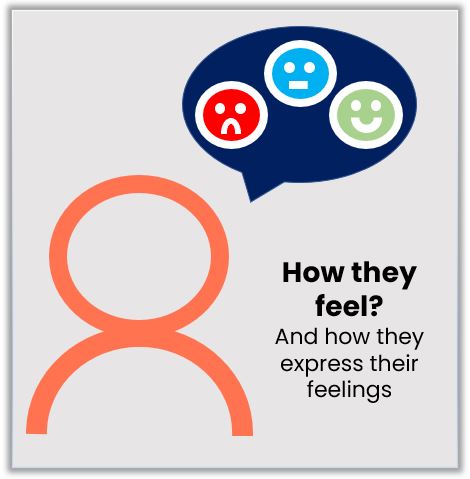
Changes to feelings can be:
- Feeling more sad
- Feeling more worried
- Getting angry more often
- Saying bad things
- Getting upset quicker
These are invisible changes
Changes to moving can be:
- How they move they body
- How much energy they have
- Moving their muscles
- The way they feel pain
- The way they feel touch
- The way they feel hot and cold
These are visible and invisible changes
Changes to reacting can be:
- Thinking more about themselves
- Having trouble starting things
- Not noticing that anything is different
- Doing strange things in public
- Not thinking before they do things
These are invisible changes
Changes to talking can be:
- How they speak and sound
- What they understand
- Hard finding the right word to say in the right order
These are visible and invisible changes. This is how someone with a brain injury might talk:
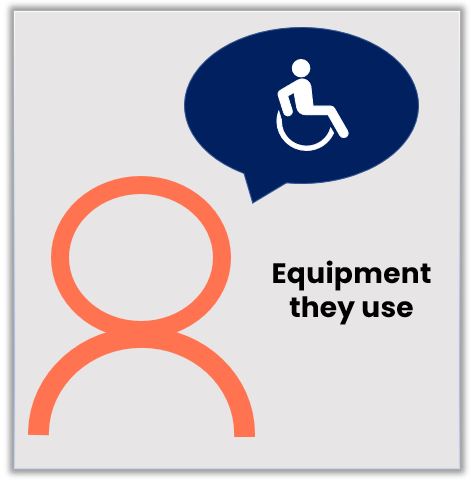
Using equipment can be:
- Using a wheelchair
- Walking with a walking frame
- Having a chair in the shower
- Having equipment to help them get out of bed
These are visible changes
Activities
What’s the same? What’s changed?
After a brain injury, it can feel like lots of things are different. Changes can stand out because they are big or confusing. But many things about your special person stay the same – the parts you know and love about them. In this activity, you can think about both: what’s changed and what hasn’t. There are no right or wrong answers. It’s a chance to notice that change is only one part of the story.
Why do changes happen?
If you read the part about how brains works (on the ‘Brain Injury’ page which you can find here), you learnt that brains are made up of giant communication networks called neurons. Neurons help different brain lobes send messages around the body. When the neurons get damaged, they can’t do their job of passing on messages so the brain can’t work the same. When this happens, it is really hard to think, move and feel. For example, if neurons that help move a leg get damaged, it might be harder to do things like stand or walk.
Other changes you might notice
Earlier, we talked about the changes to your special person that you can see, or are invisible. There are lots of other changes that can happen to your special person, depending on what is happening for them. Some of the other changes can be a mix of:
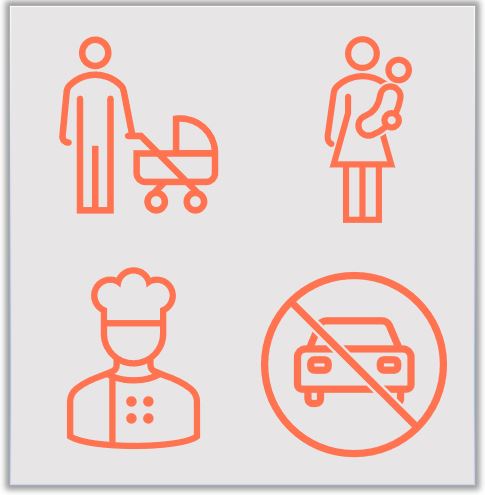
The roles they do within families and in the home can change, like looking after you, driving you places, or cooking you meals.
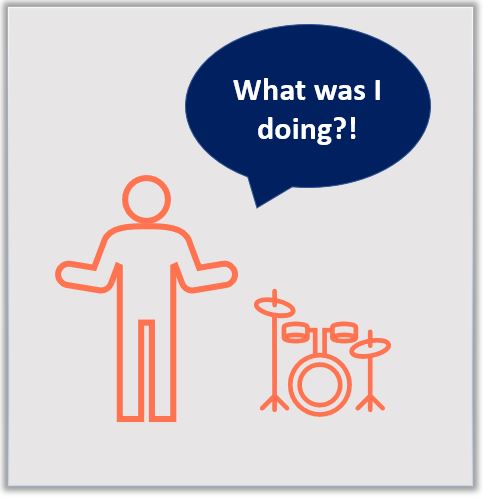
Their ability to do hobbies, tasks or activities can change, like playing an instrument, walking the dog or going fishing.
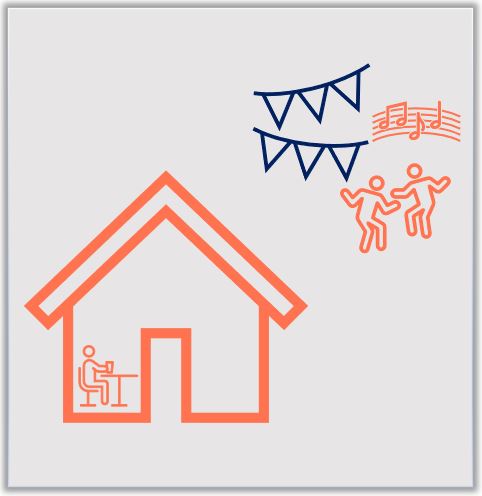
Their relationships to family members and friends may change, as they may not like going out in public, their behaviours might change or they may need help with loud noises.
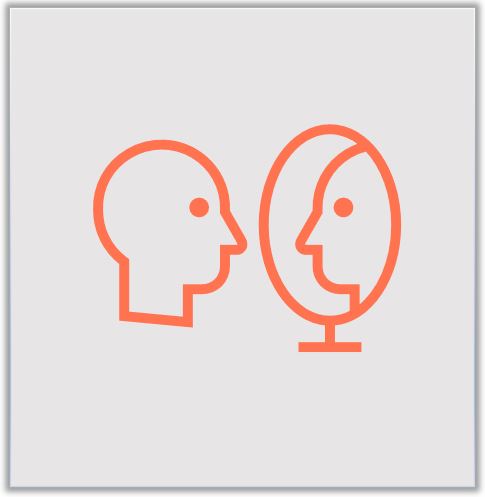
How they see themselves can change, as they may notice they cannot do things the same way they used to which can make them feel different and less confident.
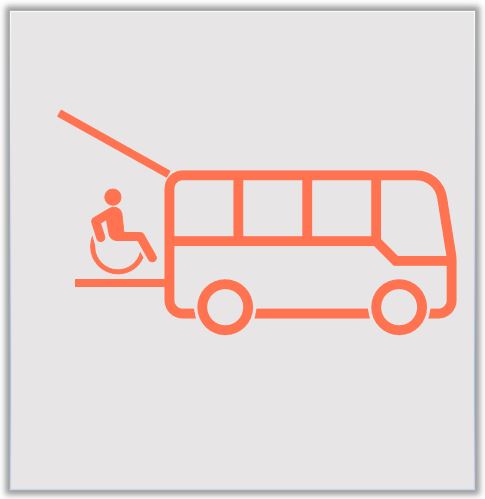
How they get around the community can change, as they may need special cars, equipment and people helping them.
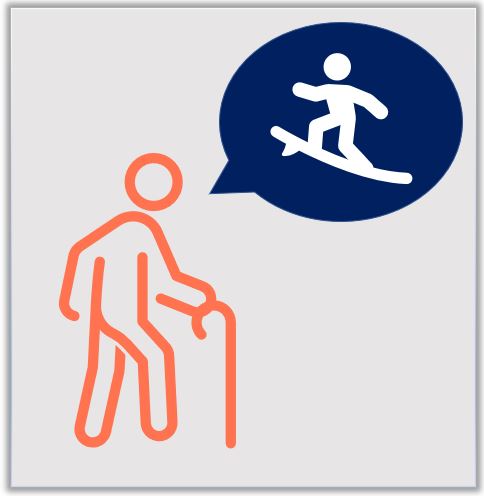
Being able to do the things they loved to do can change, as they might not be able to move their body the same way, and need to take more breaks because they get tired easily.
There could be other changes to their senses, for example, they may be more sensitive to noise, or you might be at a picnic and it’s too sunny, or their enjoyment of food, like the taste of cake, might change.
Can people with a brain injury continue living at home?
Often, after a brain injury, people live back home.
Sometimes, the person might need more help, or special equipment, than their family can give them at home. When this happens, the person might need to move to a new home where all day and across the night, trained people (called carers or support workers) are there to look after them. These homes are made especially for people with disabilities. In these homes, families and friends can visit often.
Changes in behaviour
It’s normal for behaviours to change after a brain injury. Behaviours are the way a person acts or reacts to a situation.
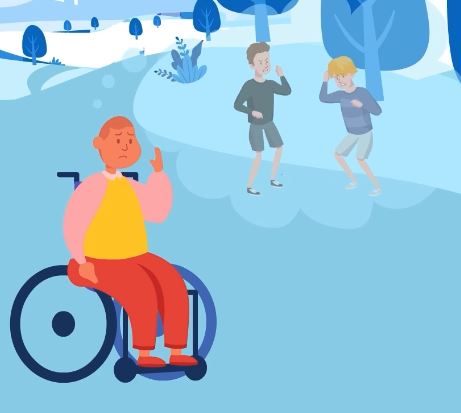
You may see your special person acting in ways they didn’t before. They may act out, be aggressive, ignore rules or even refuse to talk. This happens because of changes in their thoughts, routines and relationships. It might be happening because they are finding it difficult to process their emotions, have trouble communicating, or feel frustrated with how their life has changed.
If these behaviours are happening, it’s important to figure out what your special person might be trying to tell you.
| Most behaviours are because… | For example… |
| They feel frustrated, which might be because they can’t communicate clearly, understand other people or be able to do things they used to do | It’s like when you can’t find the right words to explain something, or when a game you used to be good at suddenly feels really hard |
| They feel overloaded if too much is happening to them, or around them | It’s like when you’re trying to do your homework while the TV is on, your phone is buzzing, and people are talking loudly around you |
| They can’t remember things, like conversations you’ve had, or where they left an item | It’s like when you forget where you put your phone, or what you talked about with a friend yesterday |
| Their thinking has changed, they might be confused or have trouble understanding situations | It’s like when you’re trying to solve a tricky maths problem and it just doesn’t make sense, no matter how hard you try |
| They feel a loss of control over their life or what’s happening around them | It’s like when you’re on a rollercoaster and you can’t control where it’s going or how fast it’s moving |
| They might be in pain so their behaviour might show that they are distressed | It’s like when you have a bad headache or stomach ache, and it makes you grumpy or upset |
| The environment might be too much, it might be too bright or noisy | It’s like when you’re trying to concentrate on your homework, but the lights are too bright and there’s loud music playing |
| They need to communicate something with you, but can’t find the words or think clearly | It’s like when you know the answer to a question in class, but you just can’t get the words out |
So, what could you do when you see these behaviours?
- Change the environment by turning off lights, loud music or noises
- Only have a few people around at a time
- When you see your special person behave well, tell them
- Plan activities together
- Talk to, and ask an adult for help
Activity: Spoon Theory
Sometimes, your special person may get tired more quickly than they used to. This is really common after a brain injury. Their energy works a bit like “spoons” and they have a certain number each day and every activity uses some up.
This worksheet helps you see how they might use their spoons throughout the day, and why they may need breaks or rest. It’s a simple way to understand their energy and how you can help them save a few spoons when they need it.
Changes in your family
When someone in your family or close to you has a brain injury, it can bring a lot of changes to your everyday life. Things might feel different at home and you will likely see changes to your family that are part of the healing journey.
The list of changes below have come from young people like you, and may include:
- Adults being away from home more
- Having extra adults in your house
- Less money which may mean less take away food, less holidays or less activities (like going to the movies)
- Changes to responsibilities like who does what within the home (who cooks and cleans), getting to appointments or making important decisions
- Doing less social activities like catching up with friends, or having friends sleep over your house
- The adults in your life may need to change the days and times they work
- Missing out on some family or school activities if they are tired
- Your house might need to change (like having a ramp if they’re in a wheelchair or have trouble getting up steps) or having more equipment taking up space
What your family and friends may be thinking and going through?
Your Special Person
“After my brain injury, everything feels the same but very different – like my brain has been scrambled. Things that used to be easy, like remembering stuff or getting my words out, can be really hard now. I miss how I used to be, but I’m getting to know the “new me”. When I learn how to do something new, it feels amazing, and even when it’s tough, I remind myself I’m still me inside”
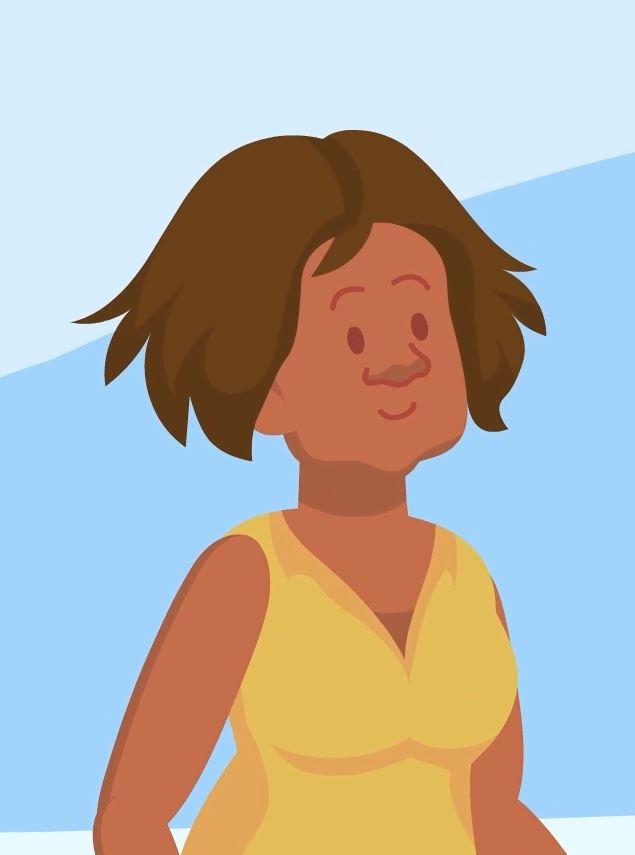
Parent / Guardian (non-injured)
“As your mum/dad/guardian, I’m feeling a lot of emotions. I’m worried about our special person and I’m also thinking about how you are coping. I want you to know that I’m always here for you. You are not alone in this. We’re going through it together and I’ll keep doing everything I can to support our family and make sure you feel safe and cared for”
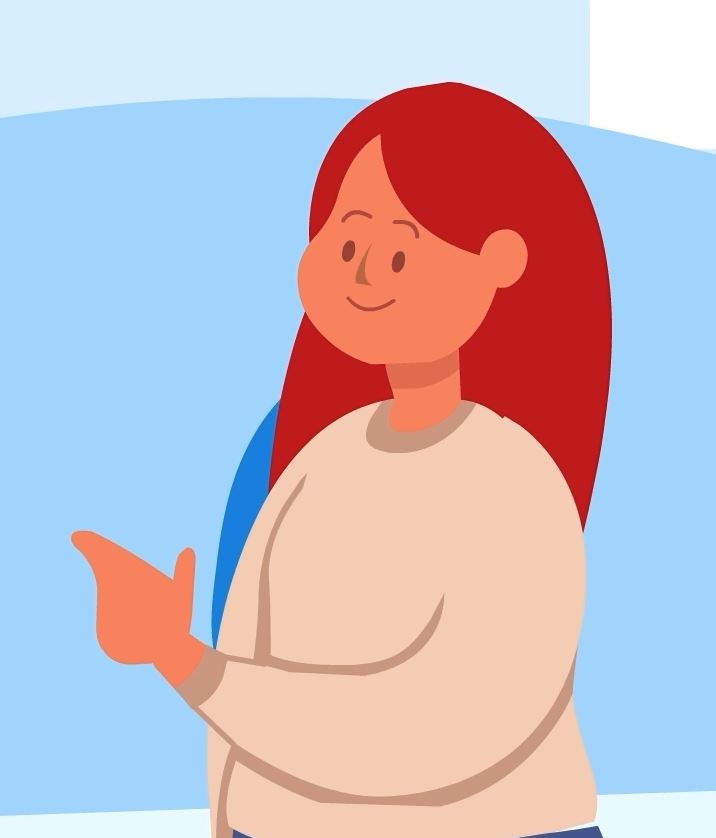
Family friend
“I am thinking of everyone involved and I would like to be a reliable support during this tough time. Although, I’m not really sure how I can help. Should I offer to visit…or maybe it’s just family allowed at the moment? I could drop over some food, or offer to take the kids to school. I’ll reach out and offer ways to help”
Brother / Sister
“I’m really worried about our special person. It’s tough seeing them go through this. I’m worried about my family and want to help out, but sometimes it feels overwhelming too. I’m trying to stay positive and hopeful that things will get better with time. If I feel worried, I’m sure my other siblings are too. I need to let them know I’m here for them too”
Friend
“I can’t imagine how hard it must be for you. If you ever need to talk, or just hang out to take your mind off things, I’m here for you. We can do fun stuff together, or just chat about anything you want, although I may not know what to say. I will need to learn about brain injury so I know how to best be there for you”
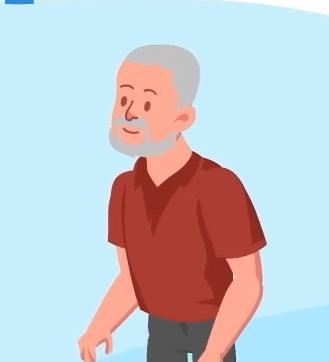
Grandparent
“I’m very worried about you and the family. I’m feeling lots of strong emotions, just like you and the rest of the family. I’m learning about brain injury too so I might not have all the answers but I’m here to help get through this together”
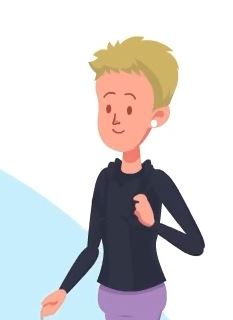
Teacher
“I don’t have much experience or knowledge about brain injury but I’m here to help you. If you get distracted in school, have a hard time getting your homework done, or need to stay in the classroom to catch your breath, I’ll know why and I can help. All I need in return is for you to let me know what’s happening for you and your family”
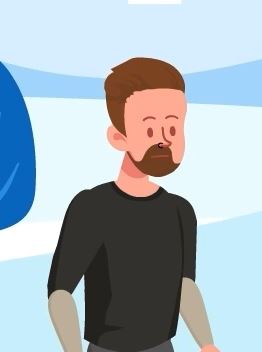
Coach
“I know you’ve been away from training sessions and games which I understand and is completely ok. Your wellbeing is most important. We are a team and we support each other. I’ll make sure that when you can come, it’ll be a supportive and positive environment for you. Me and the team are here for you, on and off the field”
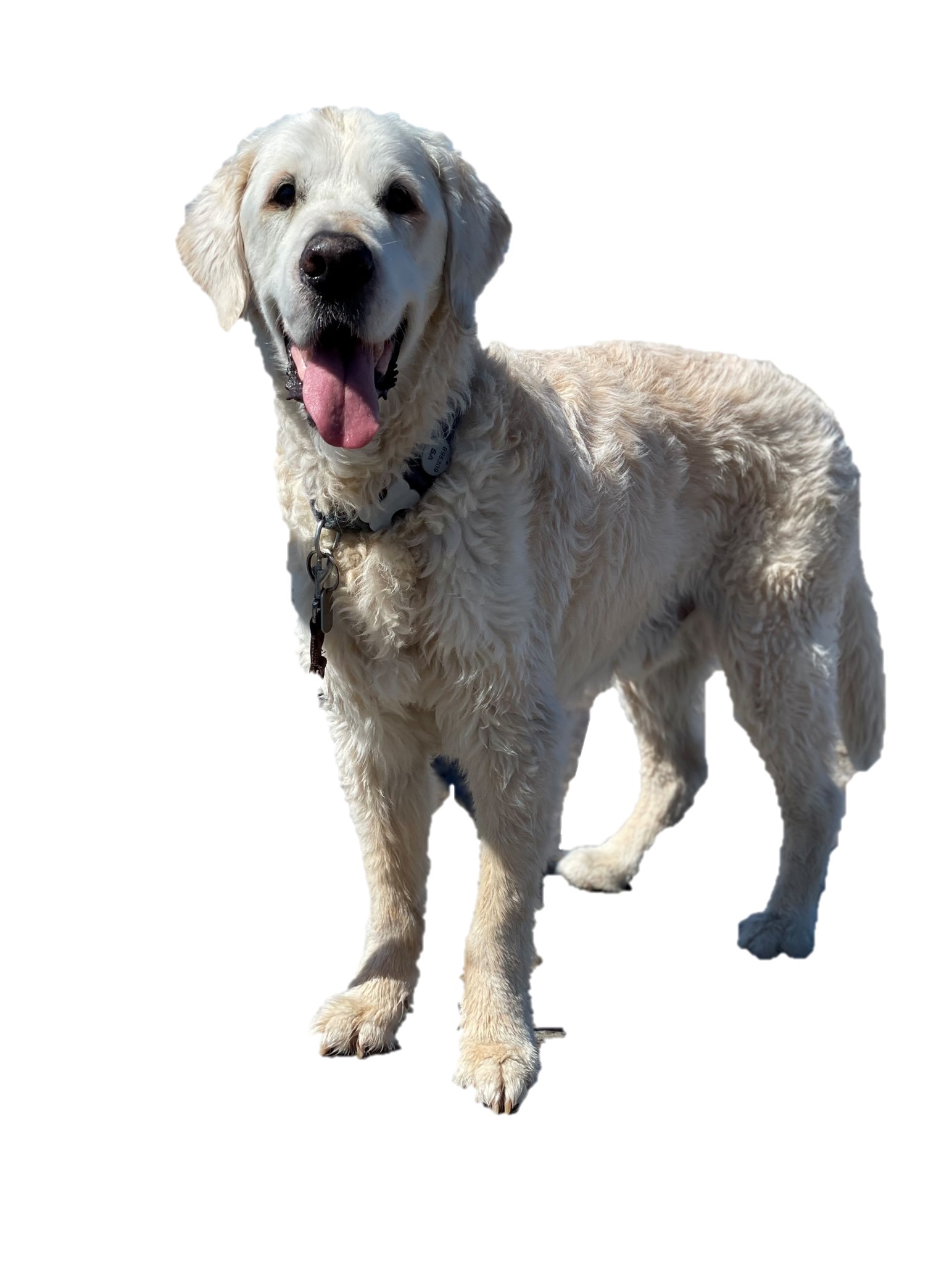
Pet
“What about me? I’m part of this family too and while I might not understand what’s happening, I can sense that you are sad and upset. I still have needs too, like being fed, given water and to be taken for walks. I’ll be here to cuddle, play, sit next to you or sleep on your bed. My job is to make you smile and feel loved”
Video
In this video, Charlie will teach you ways to help re-build your special person’s brain power. It gives you ideas and activities you could do, and ways you could help them get better.
What might my special person be feeling?
Let’s hear from a mum and two dads who have brain injuries. They’ll tell us how they got hurt and how it changed their lives. Even though it was tough, they also talk about how it brought them closer to their families. They share what it was like for their kids and what other children might feel in the same situation. Their stories are kind and thoughtful, and even a little funny! You’ll hear about how they see life differently now, what makes them happy, and even what they think about food!