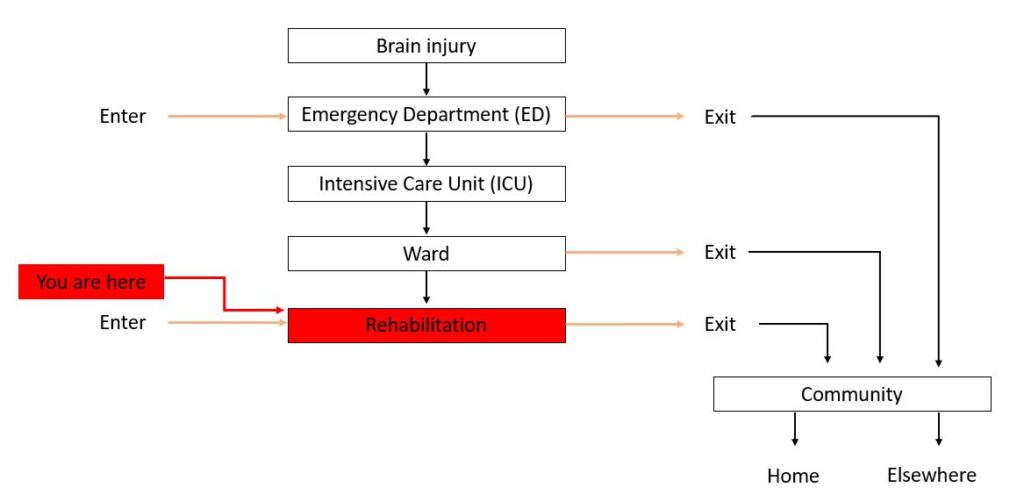
Recovery after a brain injury is a journey, and rehabilitation is a big part of it.
What is Rehabilitation?
Rehabilitation (rehab) is a program designed to help people recover and adapt after a brain injury. It’s all about regaining skills and abilities like walking, talking, or thinking clearly. Every rehab plan is unique because every brain injury is different. Skills that often need to be re-learnt after a brain injury are:
- Talking
- Moving
- Thinking
- Behaving
- Memory
- Showering and dressing
- Toileting
What happens during rehab?
Rehab usually includes working with a team of specialists who help with different parts of recovery:
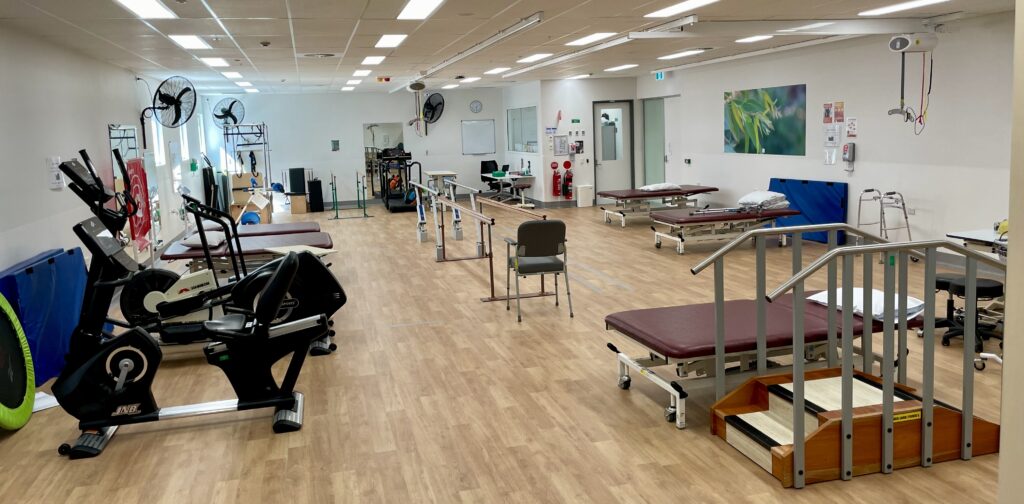
- Physiotherapists: Specialise in improving movement, balance, strength and overall physical wellbeing through targeted exercises, manual therapy and education.
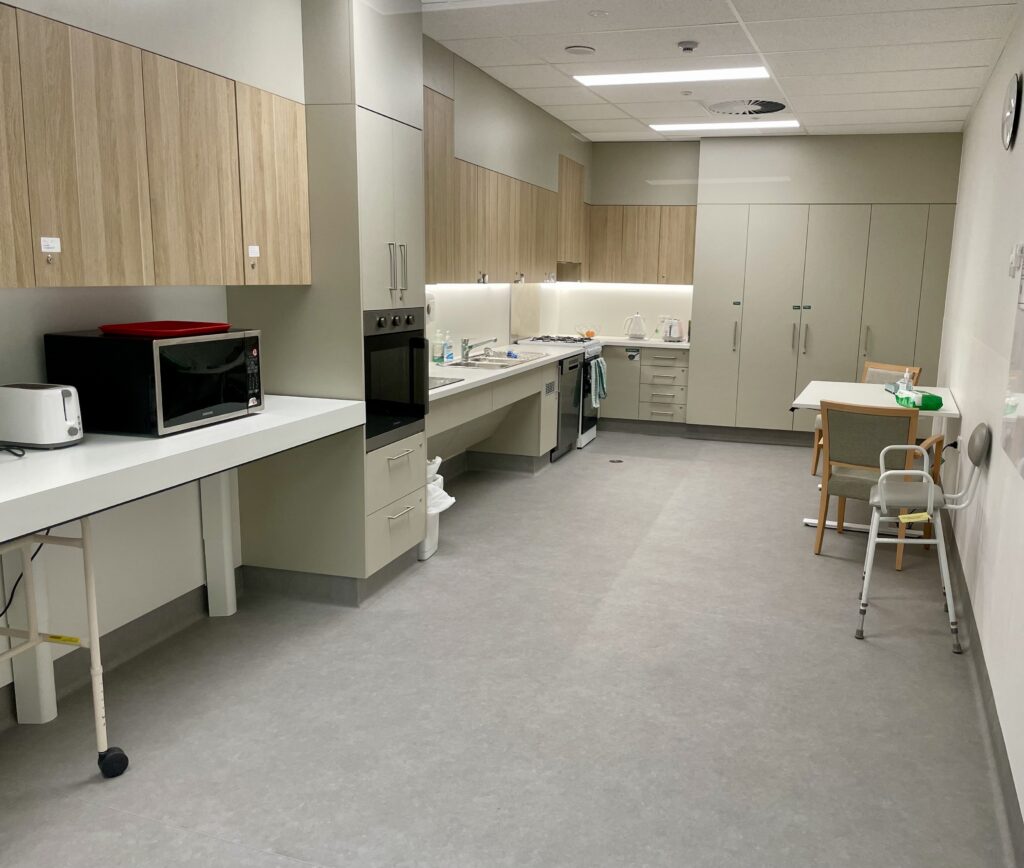
- Occupational therapy: An OT helps to regain, develop or maintain the skills needed for daily living and working. They focus on everyday activities, like dressing, eating, and cooking.
- Speech therapists: Specialise in assessing and treating communication, thinking, and swallowing issues to help improve talking, understanding, and swallowing.
- Social workers: Specialise in navigating and overcoming challenges by providing emotional support, counselling, resources and advocacy to improve overall wellbeing and quality of life of individuals, families and children.
- Psychologists: Help to understand, manage and overcome emotional, behavioural and cognitive challenges through assessment, therapy and counselling.
- Dietitians: Work with food services to provide food and fluids suited to your special person’s specific nutritional requirements.
- Nurses: Provide around the clock care, support and expertise to your special person.
- Doctors: The medical team are made up of rehabilitation specialists, registrars and medical officers who are responsible for the medical care of your special person.
Where does rehab happen?
Rehab can take place in different places, depending on your special person’s needs:
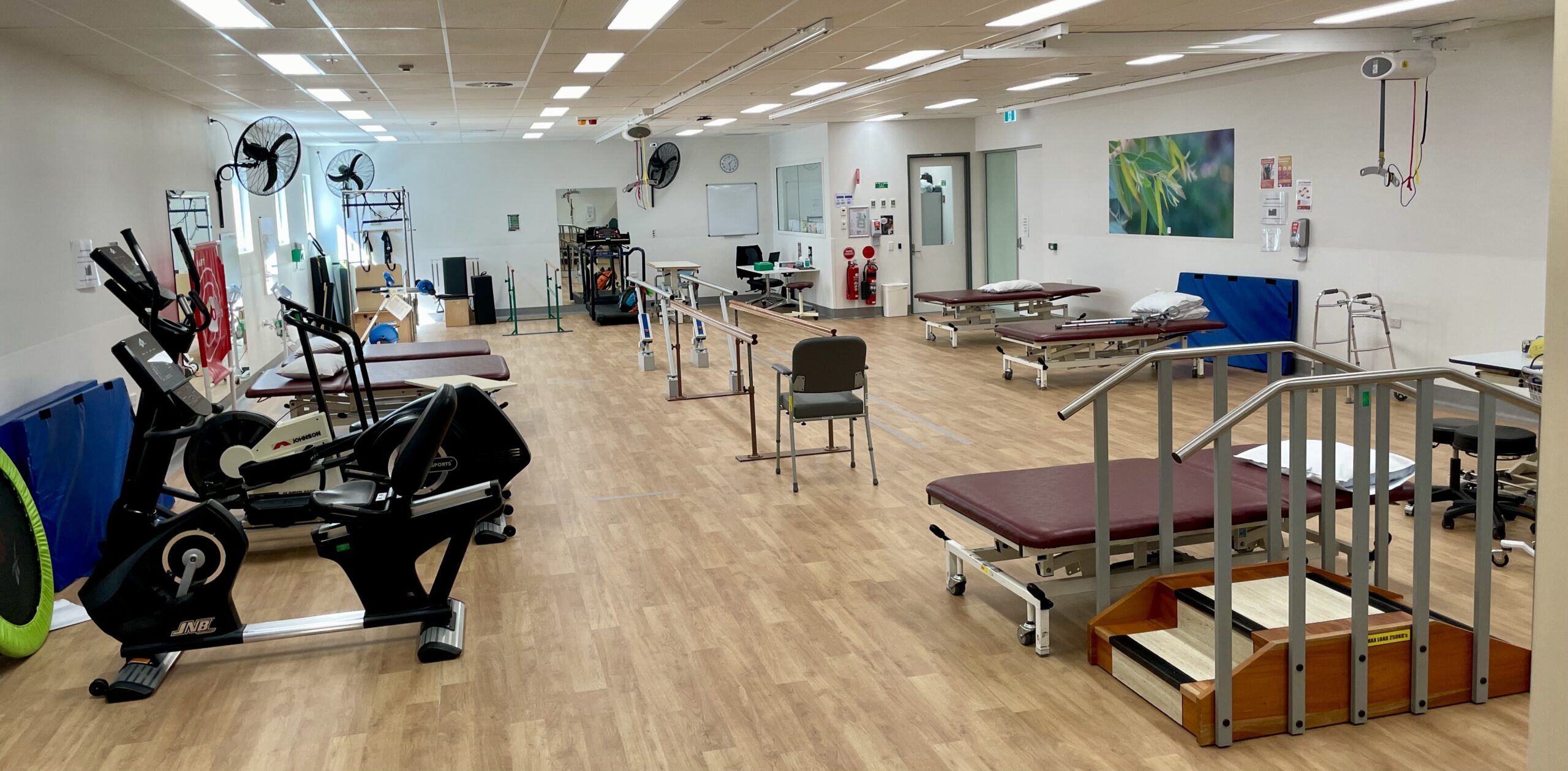
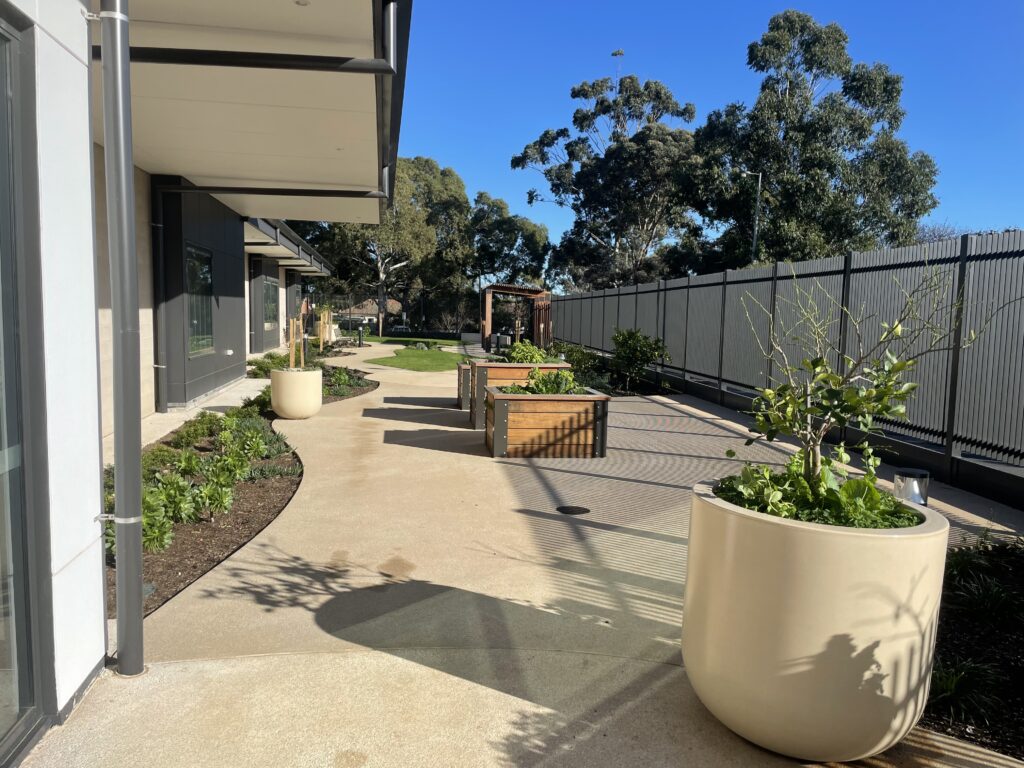
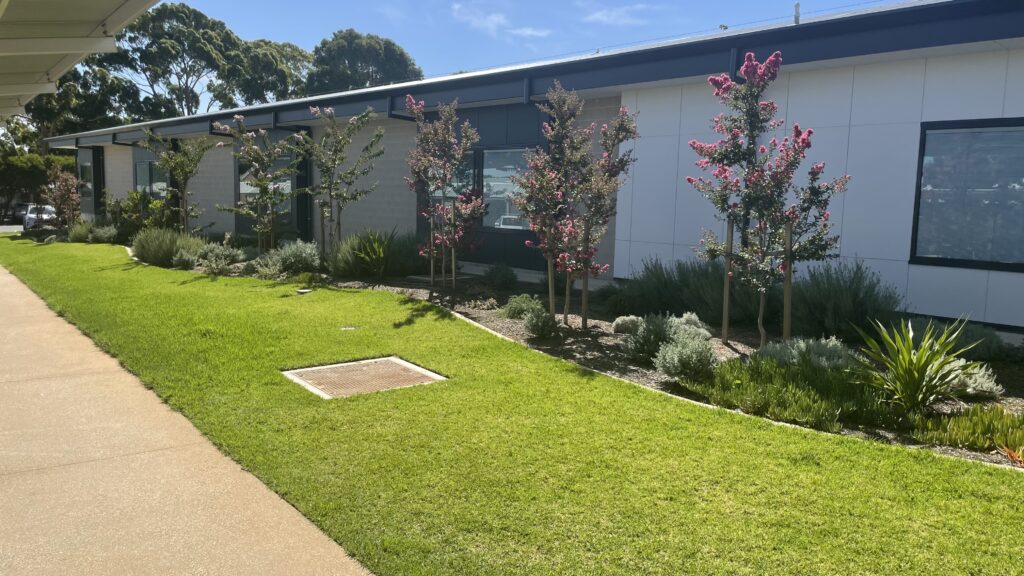
- Rehab centres: Special facilities with equipment and experts.
- Hospitals: For people who need medical care during rehab.
- At home: Therapists may visit, or people might practice exercises on their own.
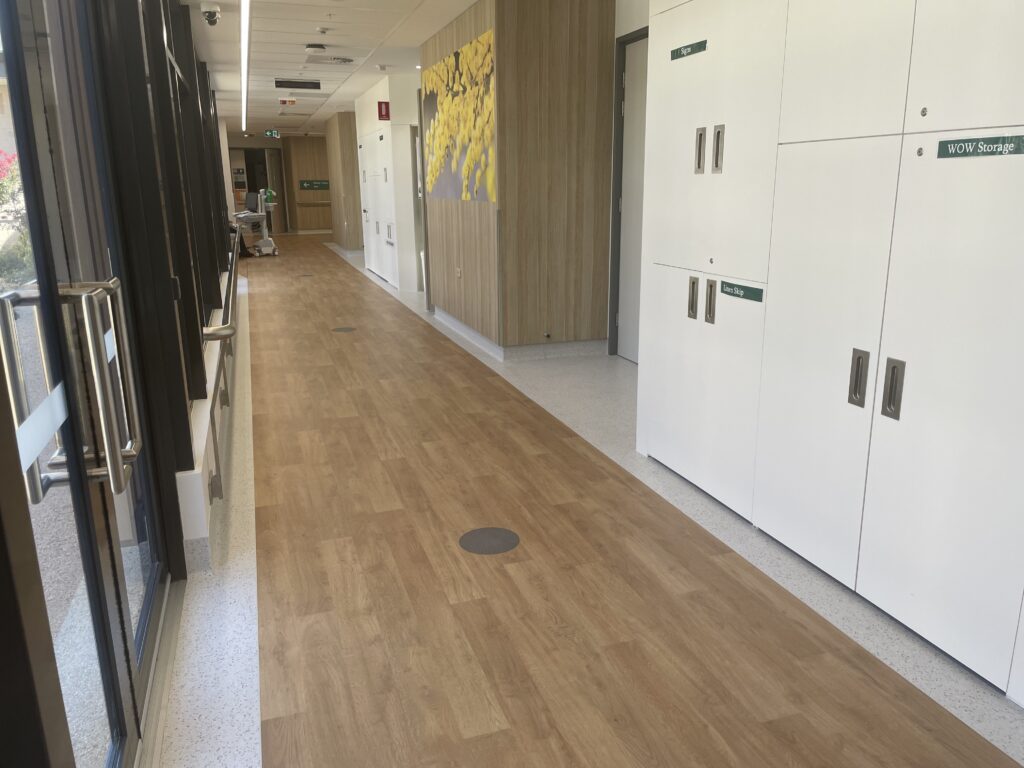
What does a rehab facility look like?
What equipment is used in rehab?
In rehab, different types of equipment are used to support recovery and help people regain their strength, movement, and independence. This can include walking aids like frames or crutches, machines to help with standing or lifting (like hoists or standing frames), and tools that support hand and arm movement. There may also be special chairs, beds, or communication devices to make everyday tasks easier and safer. Each piece of equipment is chosen based on the person’s needs and goals, and is often used with the help of therapists to build confidence and improve ability over time.
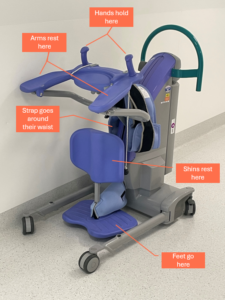
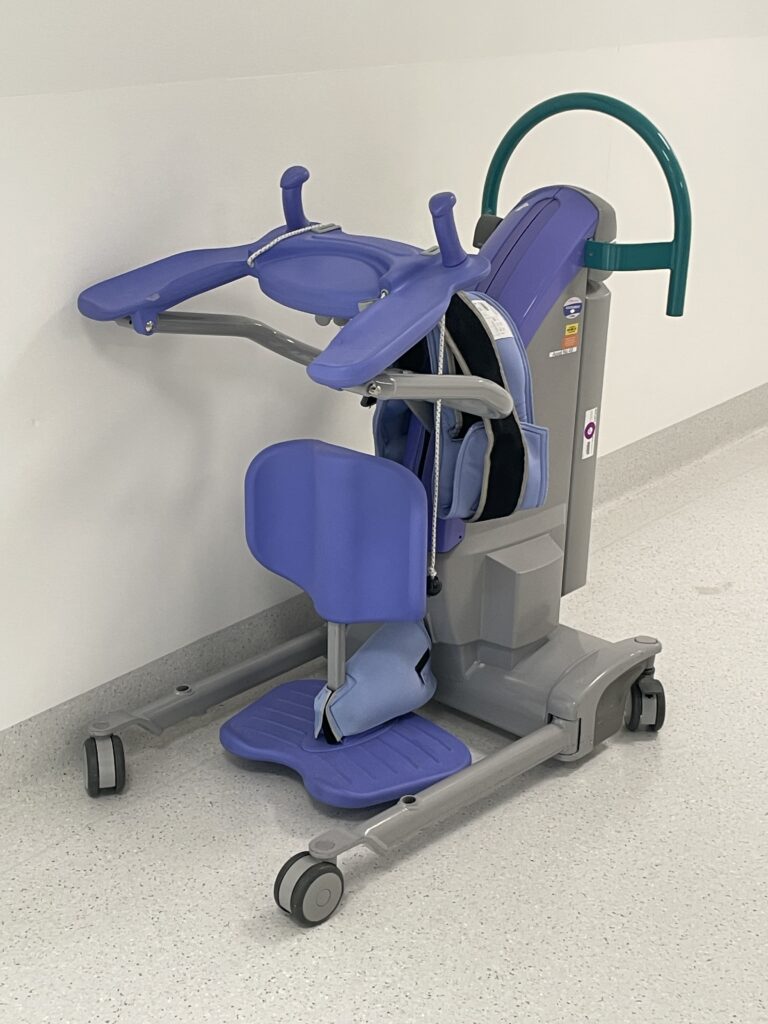
It’s a special standing machine called a ‘Sara Plus’. It helps to safely move someone from things like a bed to a wheelchair, when they need help to stand.
How long does rehab take?
Rehab can last weeks, months, or even years. Progress may be slow, and some abilities might not fully return, but every small step forward is a victory.
How can you support your special person in rehab?
- Be patient: Recovery is hard work and can take time. Celebrate the small wins together.
- Offer encouragement: Let them know you’re proud of their effort. A simple “You’re doing great!” can mean a lot.
- Help with practice: If they’re learning new skills, like balancing or speaking, see if you can help them practice.
- Listen: They might feel frustrated or upset at times. Just being there to listen can help.
How does rehab help?
Rehab gives people the tools to regain as much independence as possible. It doesn’t just focus on physical recovery – it helps with emotions, thinking, and rebuilding confidence, too.
Many teens wonder what their special person does in rehabilitation and what their days are like. You can use the timetable below to write down therapy sessions, when you will be visiting or going to school or work.
It’s normal to have questions
Rehab can feel like a long and uncertain process, but the therapists and doctors are there to guide you and your special person. If you’re ever unsure about what’s happening, don’t be afraid to ask questions or talk about how you feel. Ask to speak with a social worker who is working with your special person.
Remember
Rehabilitation is about healing and growth. It’s a team effort, and your support can make a big difference. Watching someone you care about work hard to recover can be inspiring, and every step forward is worth celebrating!